
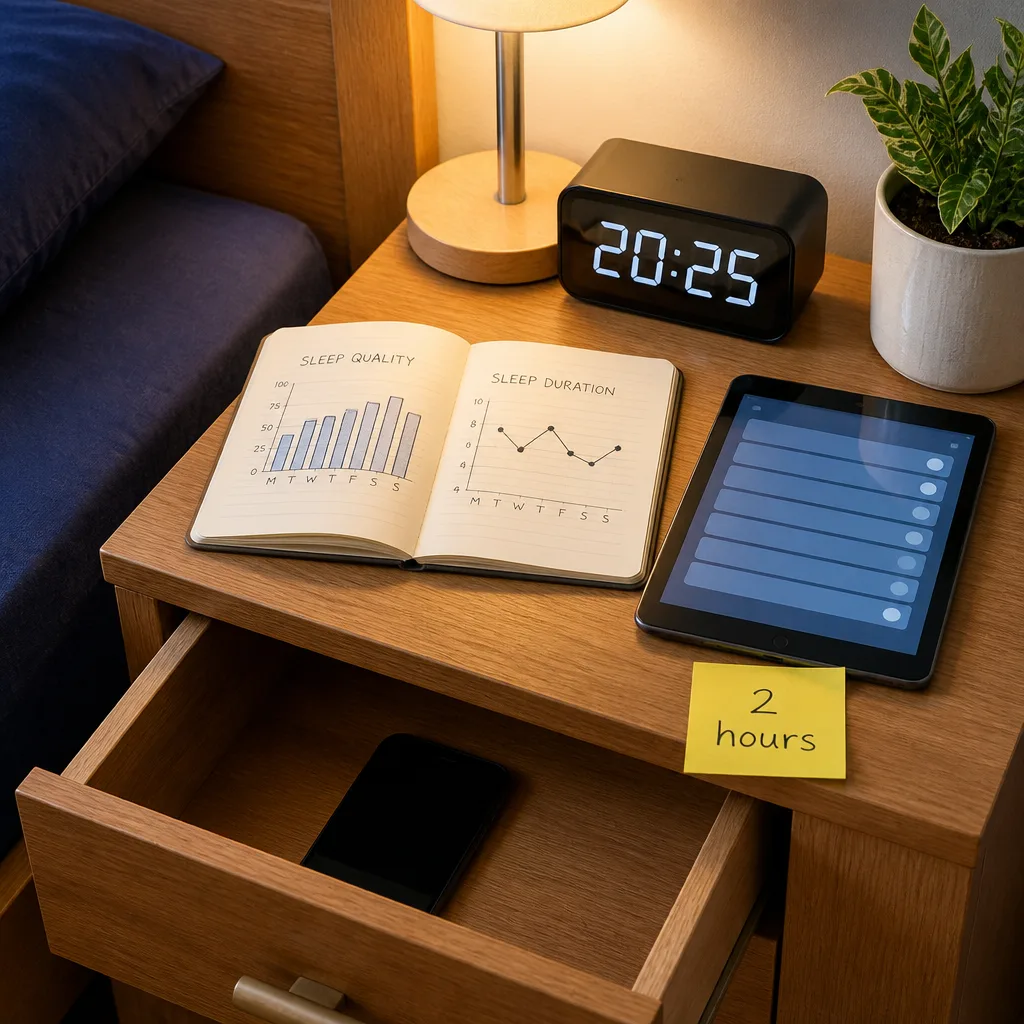
Limiting smartphone use to two hours a day for three weeks produced measurable improvements in depressive symptoms, stress and sleep, according to a 2025 randomised controlled trial and a growing body of related research. The finding adds weight to anecdotal campaigns by public figures who have chosen to live with fewer digital interruptions.
What the evidence shows
Researchers have identified a pattern in observational and experimental studies linking heavy smartphone and social‑media engagement with worse mental‑health outcomes. Reported associations include anxiety, loneliness, poor sleep, stress and depression. While not all screen time is equal — talking with a friend differs from compulsive scrolling — several trials indicate that cutting back can produce short‑term benefit.
The most prominent experimental result cited in recent coverage is a randomised controlled trial published in 2025 in BMC Medicine. In that study, participants were asked to reduce their smartphone screen time to no more than 2 hours per day for a period of 3 weeks. Compared with control participants, those who complied showed improvements in depressive symptoms, stress levels and sleep.
How to interpret the results
Randomised trials are the strongest practical tool for testing cause and effect in humans, because they reduce confounding factors that plague observational studies. The 2025 trial’s design — an imposed reduction in screen time for a defined period — means the benefits observed are plausibly a consequence of spending fewer hours on a smartphone rather than merely a reflection of pre‑existing differences between people.
That said, the trial’s duration and the nature of the intervention limit how far the results can be generalised. The study covered a short window of three weeks; whether benefits persist, grow or reverse over months is not answered by that trial alone. Compliance is another practical issue: asking people to stay under two hours a day may be feasible for some, but much harder for people who rely on phones for work or caregiving.
- Potential harms linked with heavy smartphone use: anxiety, loneliness, disturbed sleep, stress, depression.
- Experimental benefit observed: reduced depressive symptoms, lower stress and improved sleep after limiting screen time to 2 hours/day for 3 weeks (2025 RCT).
- Important caveats: differences in types of phone use (social contact vs doomscrolling), short follow‑up period, and practical feasibility for many users.
Context and consequences
The discussion is timely because smartphones have become a near‑ubiquitous platform for work, social life and services. For many users they are indispensable tools: navigation, banking, remote work and family contact all depend on mobile access. The challenge is how to separate the helpful uses from the behaviours that appear to be linked with poorer mental health.
Public figures who eschew mobile phones entirely — choosing landlines and other low‑tech means of communication — provide striking anecdotes but not proof. The scientific message is more nuanced: some people benefit from structured reductions in smartphone time, particularly when they substitute more restorative activities or human contact for passive consumption.
| Aspect | Evidence |
|---|---|
| Associated harms | Observational links to anxiety, loneliness, poor sleep, stress and depression |
| Trial intervention | Limit of 2 hours/day for 3 weeks (2025 RCT) |
| Observed benefits | Improvements in depressive symptoms, stress and sleep |
For clinicians and policy‑makers the implication is not a blanket recommendation to abandon smartphones, but to recognise that behavioural interventions to reduce compulsive use can be beneficial. Practical measures — setting time limits, turning off non‑essential notifications, and favouring direct communication over passive feeds — are plausible first steps supported by the trial evidence.
Further research is needed to map which groups benefit most, how long gains endure and how to tailor interventions for people whose employment or caring responsibilities make phone restrictions challenging. For the public, the message is straightforward: smartphone use is not uniformly harmful, but thoughtful reductions in time spent on certain activities may improve mood and sleep for many users.









