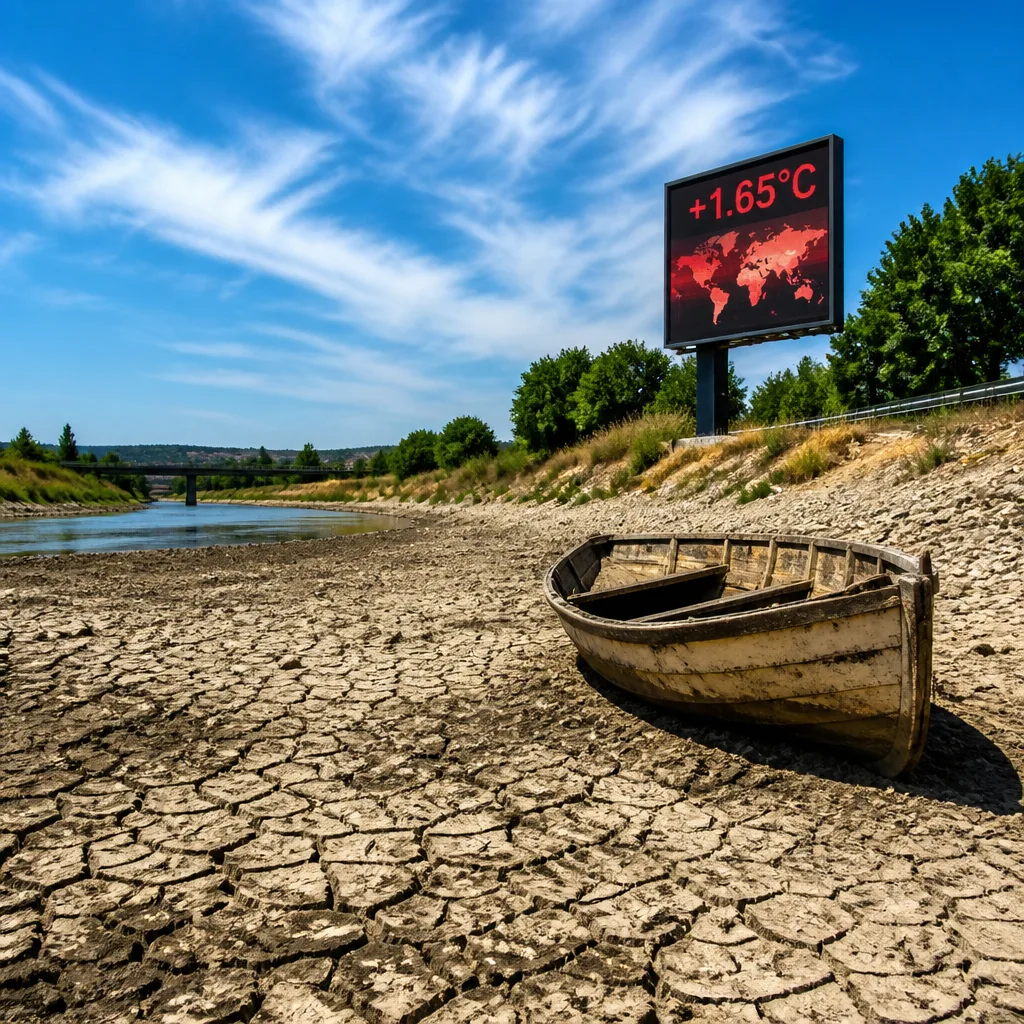
August 2026 was the joint warmest month on record, with global average temperatures sitting at 1.65C above pre‑industrial levels, the Copernicus Climate Change Service said on Thursday. The agency reported that last month equalled July 2023 as the hottest calendar month in the available records and produced the warmest August on record.
How the month breaks the climate record
Copernicus analysts said the heat was driven by the long‑term rise in temperatures from greenhouse gas emissions together with the influence of a strong El Niño event in the Pacific, which has contributed to rapidly warming seas. Sea surface temperatures outside polar regions reached a record for August of 21.07C, and were the joint highest across all months when set against March 2024.
“August 2026 was a remarkable month in the global climate record. “It was both the warmest August and the warmest month ever recorded, with global temperatures reaching 1.65C above pre‑indust
Copernicus also noted that August marked a return to temperatures above the 1.5C threshold relative to the 1850–1900 pre‑industrial baseline — a level the Paris Agreement sought to limit global warming to or below. Scientists emphasised that records of this kind reflect both the persistent background of human‑caused warming and short‑term variability from natural climate patterns.
Regional extremes and impacts
Western Europe experienced its warmest summer on record, surpassing the previous high set in 2003. Heatwaves that began in May continued through August and were accompanied by severe drought conditions across parts of the continent, including the United Kingdom, France, Hungary, Romania and Serbia. Major rivers such as the Rhine, Danube and Dnieper saw exceptionally low flows, affecting navigation, agriculture and water supplies.
- Global temperature anomaly: 1.65C above 1850–1900 average.
- Sea surface temperature (non‑polar, August): 21.07C (record high).
- Regional impacts: record Western European summer, widespread drought, low river levels.
| Measure | Value |
|---|---|
| Global temperature anomaly (August 2026) | +1.65C |
| Sea surface temperature (non‑polar, August) | 21.07C |
| Previous warmest August / tied month | July 2023 |
Scientists warned that the interplay between a warming climate and El Niño conditions can amplify extremes. Warmer seas feed more energy into the atmosphere and change weather patterns, raising the likelihood of heatwaves, intense rainfall in some regions and drought in others.
Policy and practical consequences
The breach of the 1.5C threshold — even temporarily in monthly averages — is likely to sharpen political focus ahead of climate negotiations and reviews of national mitigation and adaptation plans. Under the 2015 Paris Agreement, countries pledged to keep warming “well below” 2C and pursue efforts to limit it to 1.5C. Scientists say sustained warming at current levels would increase the frequency and severity of climate impacts including heat‑related mortality, crop failures and water stress.
For the UK and neighbouring states, the immediate consequences include strains on water resources, challenges for inland shipping on shallow rivers, and heightened risks to agriculture and energy infrastructure during heat and drought. Health services also face pressure during prolonged heatwaves, especially for elderly and vulnerable populations.
Copernicus’ assessment underscores how short‑term climate variability and long‑term human‑driven warming interact to set new records. While a single month does not determine long‑term trends alone, researchers say repeated record‑breaking months and years strengthen the evidence that global warming is progressing and will continue until global emissions are driven to net zero.
Policymakers now face the task of balancing urgent measures to cut emissions with ramped‑up preparations for the types of extremes that are increasingly likely even under moderate warming scenarios.