Delegates at the 26th International AIDS Conference in Rio were met by a stark contrast between scientific achievements and the political and financial pressures now threatening global HIV responses. The conference combined celebration of research advances with widespread anger as campaigners denounced recent cuts to international funding and questioned the transparency of medicine deals.
Funding reductions and public fury
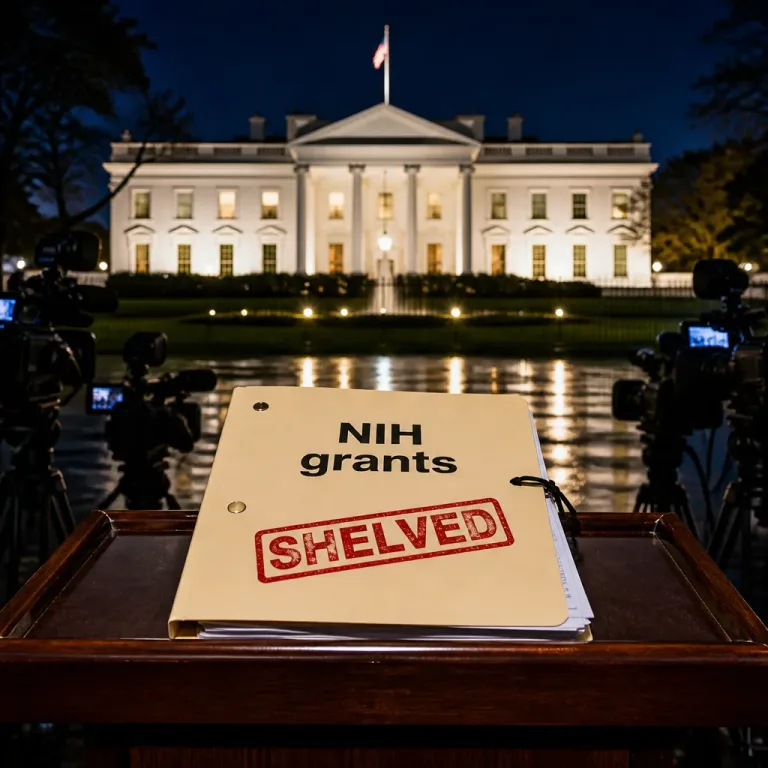
Speakers and activists at AIDS2026 made clear that momentum against the epidemic is under strain. The United States’ President’s Emergency Plan for AIDS Relief (PEPFAR) — credited with saving more than 26 million lives since 2003 — was described as being effectively dismantled by the US administration in early 2025, according to delegates at the event. European donors have also pulled back: France announced a 58 per cent reduction in its contribution to the Global Fund for 2026–2028, while the UK and Sweden are reported to have reduced commitments.
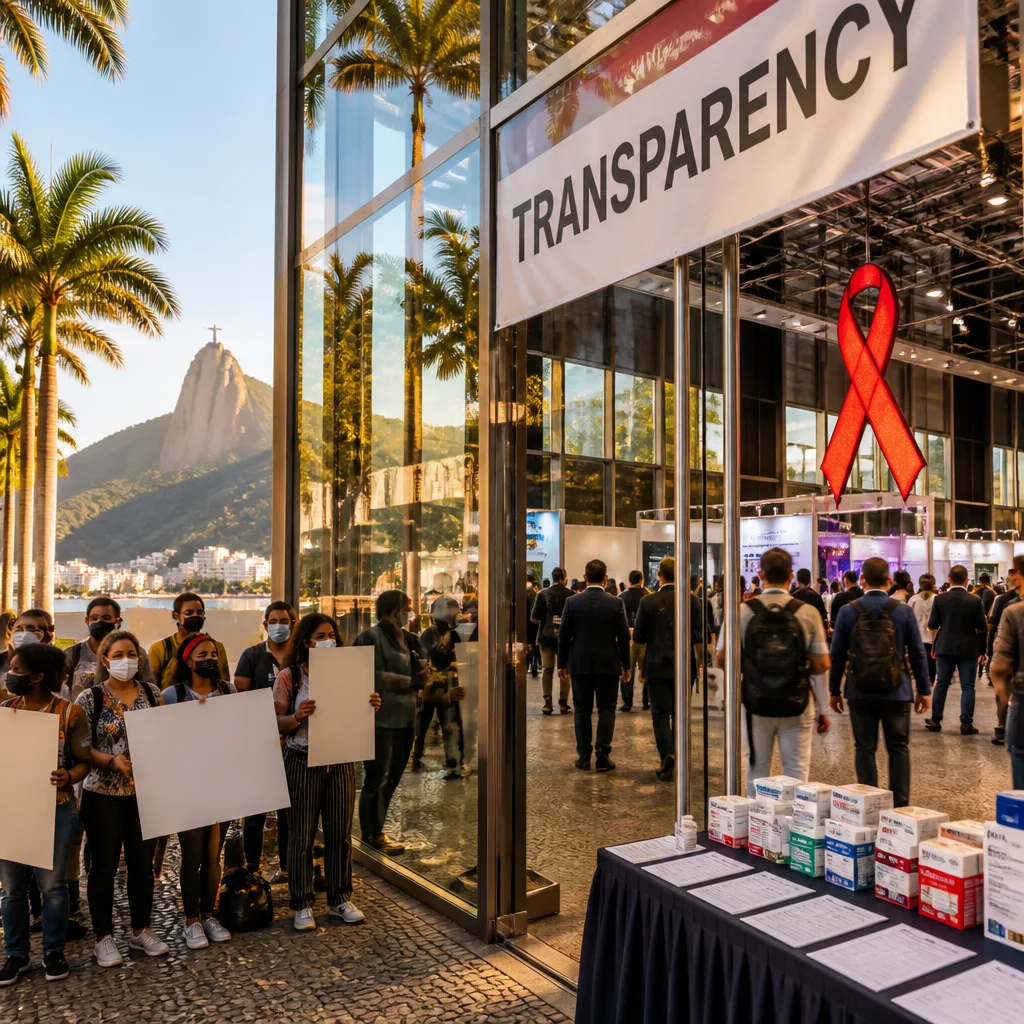
The cuts provoked noisy demonstrations at sessions addressing donor strategy and industry pricing. Protesters disrupted the presentation of the US Global AIDS Coordinator’s new strategy, carrying placards and chanting slogans that reflected deep mistrust among people living with HIV and their allies. Tensions were not limited to government policy: pharmaceutical pricing, including for the twice‑yearly HIV prevention jab lenacapavir, came under fire.
“We don’t have time to lose. This is a moment of radical change.”
The United Nations Joint Programme on HIV and AIDS (UNAIDS) faced a separate blow, with its total financial aid reported to have fallen by about 25 per cent in the last year. Its executive director, quoted at the conference, urged urgency in the face of shrinking resources.
Transparency, equity and the risk of reversal
Speakers at the conference warned that opaque pricing agreements and reduced donor funding could erode hard‑won gains. Delegates pointed to concerns over confidentiality in procurement deals in host countries and argued that greater openness on prices would benefit global public health efforts. Activists from Latin America and Africa framed the retreat of donor funding as a renewed form of inequality, with some making blunt appeals about the human cost.
The juxtaposition of scientific progress — new tools for prevention and treatment discussed at the conference — and the erosion of financial and political support presented a worrying message: advances in science will not translate into public health gains without sustained investment, equitable access and transparent procurement.
Consequences for epidemic control
The implications are stark. Reduced funding for programmes such as PEPFAR and the Global Fund can affect prevention, testing, treatment scale‑up and the ability to deliver new interventions. Experts at the conference emphasised that interruption of services risks increases in new infections and deaths, particularly in low‑ and middle‑income countries that rely heavily on external financing.
- PEPFAR credited with saving over 26 million lives since 2003 but reported to have been significantly cut in early 2025.
- France reduced its Global Fund contribution by 58% for 2026–2028.
- UNAIDS lost about 25% of its total financial aid last year.
Conference participants stressed that scientific breakthroughs — from new preventive medicines to improved treatment regimens — require policy frameworks and funding commitments to be effective. Without those, the scientific toolbox may be under‑used or inaccessible to the populations most at risk.
The Rio conference made clear that resolving the global HIV challenge is now as much a matter of politics, financing and transparency as it is of laboratory discovery. Delegates called for renewed international solidarity, clearer procurement practices and protected funding streams to prevent progress from slipping away.