
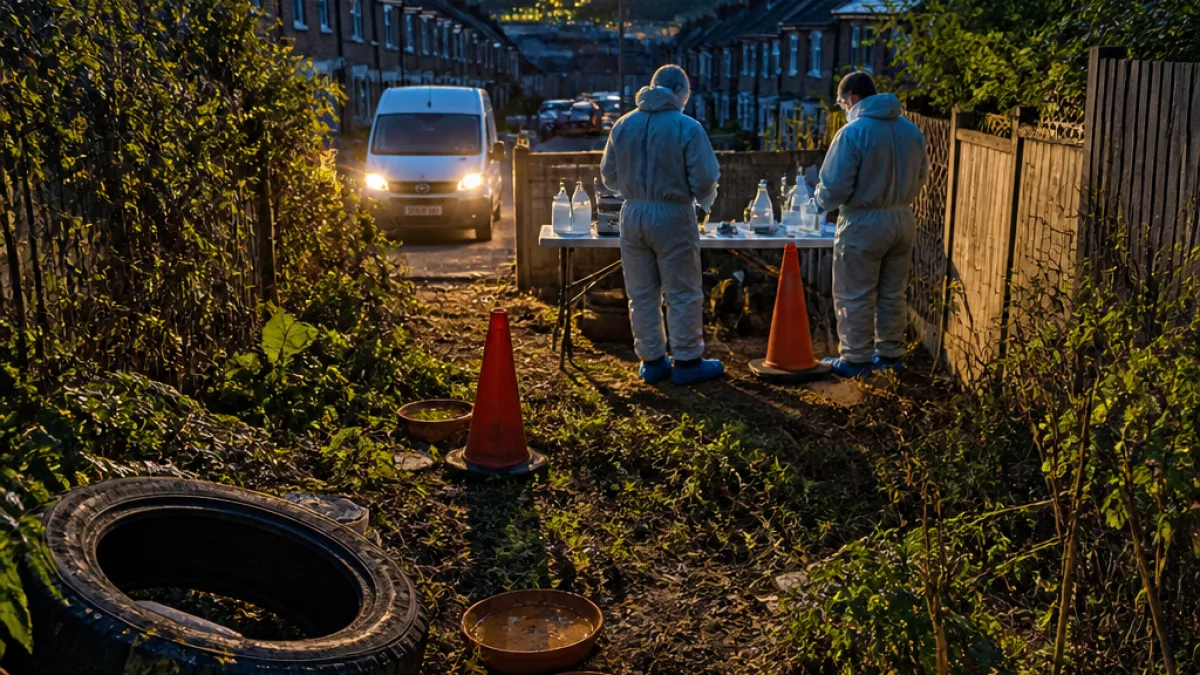
Public-health teams have confirmed the first recorded instance of Aedes aegypti mosquitoes reproducing in the UK after larvae were found in homes in east London. The detection has prompted urgent control measures, stepped-up trapping and surveillance in the area by the UK Health Security Agency (UKHSA).
What officials found and what they are doing
The species, known to transmit viruses such as dengue, chikungunya and Zika, is ordinarily associated with tropical and subtropical climates. While the insects have been detected previously in the UK, this is the first recorded case of them breeding on British soil.
UKHSA said larvae had been located in household premises and teams moved quickly to destroy them. Additional trapping and active surveillance have been put in place around the discovery sites to check for any further presence of the mosquito.
"There is no evidence that these mosquitoes have caused human infections and importantly, to date, there is no evidence of the mosquitoes or larvae being detected in nearby public areas"
The agency emphasised the immediate risk to the public remains low. Officials also stressed that, despite recent heatwaves, the wider UK climate is generally too cold for Aedes aegypti to establish long-term populations.
Why this matters locally
For Londoners, the discovery is notable because Aedes aegypti is an efficient vector for several viral diseases. Although there is currently no evidence of transmission in the UK, the finding underlines the need for vigilance by residents and local authorities, especially during warmer months when imported insects are more likely to survive temporarily.
Experts believe the insects were likely brought into the country accidentally — possibly in luggage, vehicles or with plants — rather than arising naturally. The detection was made through the Mosquito Watch scheme, a surveillance programme designed to pick up invasive species early.
Guidance for residents and steps to reduce risk
Public-health teams recommend practical measures to limit the chances of mosquitoes breeding in and around homes. Advice issued by agencies typically includes:
- Emptying and cleaning standing water from containers such as plant pots, buckets and birdbaths.
- Covering water butts and other storage containers.
- Reporting unusual numbers of mosquitoes or suspected breeding sites to local councils or the UKHSA.
Local teams will continue targeted inspections near where the larvae were discovered and maintain trap networks to detect any further activity. Residents in the affected area have been asked to assist by checking their properties and reporting potential breeding sites.
Experts put the risk in context
Dr Jolyon Medlock, head of medical entomology at UKHSA, said the discovery should not cause alarm but highlighted that the UK will continue to see invasive detections in a warming climate. The agency expects more reports of non-native mosquitoes as conditions occasionally become suitable for short periods.
Dr César López-Camacho of the Nuffield Department of Medicine at the University of Oxford described the finding as "an important finding" while cautioning against undue alarm. Both experts underlined the distinction between finding insects and detecting any human infections — no human cases have been linked to these mosquitoes in the UK.
What is being monitored
Surveillance activity focuses on detection, removal and preventing spread. The key elements being pursued in the current response are:
- Destruction of larvae in the discovered locations.
- Increased trapping to map any further presence.
- Community engagement to reduce local breeding sites.
| Species | Diseases associated |
|---|---|
| Aedes aegypti | Dengue, chikungunya, Zika |
For now, health authorities say Londoners should remain informed but not alarmed. The emphasis is on swift local action to remove breeding sites and continued surveillance to ensure the insects do not establish themselves more widely.
From the streets of east London, residents I spoke to welcomed the prompt response. One neighbour said the discovery felt worrying but that clear information and visible action by the authorities helped calm concerns.
Officials will provide updates should further detections occur or if the public-health assessment changes.















