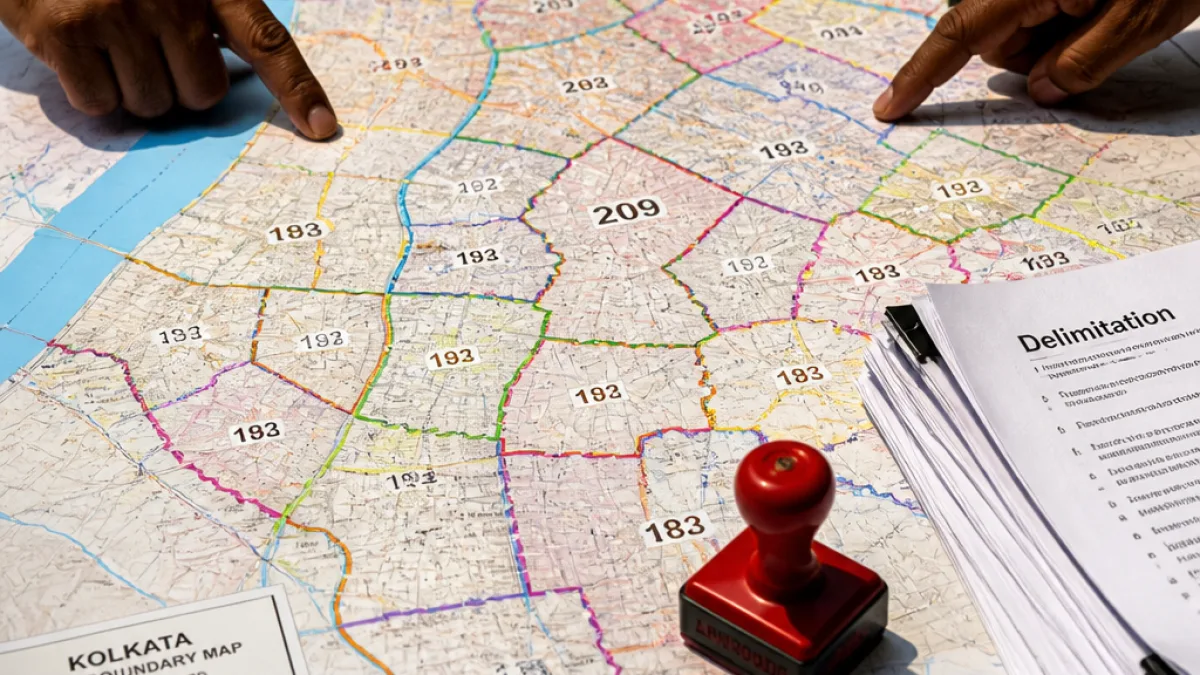
The West Bengal assembly on Thursday cleared two delimitation bills that will expand the number of civic wards in the Kolkata Municipal Corporation (KMC) from 144 to 209 and in the Howrah Municipal Corporation (HMC) from 50 to 68.
Government rationale: smaller wards, faster services
Presenting the bills, the state urban development and municipal affairs minister said the reorganisation aims to create smaller wards with lower populations so that civic services can be delivered more efficiently. The minister told the assembly the decision was driven by population considerations and proposed that each of the new KMC wards would target roughly 16,000–18,000 registered voters.
"We decided to increase the number of wards on the basis of population. Citizens will get better services," the minister said.
The KMC began an exercise in mid-July to redraw boundaries of the existing 144 wards, reviewing population density and voter numbers. A parallel exercise was conducted in Howrah.
Practical change and electoral timing
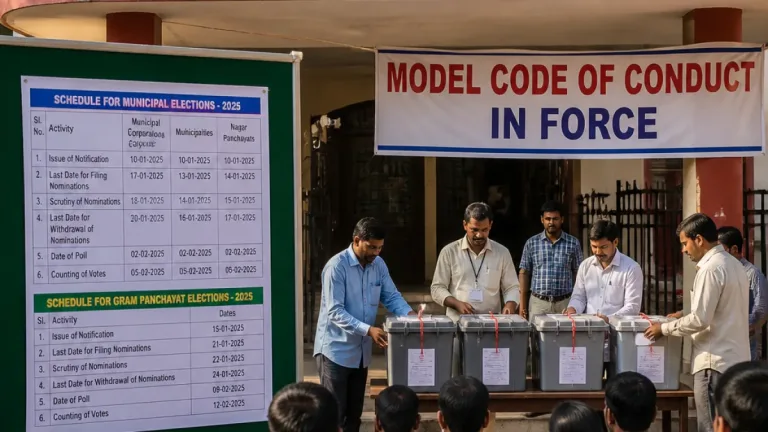
The delimitation comes months before civic body elections in both cities scheduled to be held later this year, along with other municipal polls across districts. The government has argued the reorganisation will make administration more responsive by evening out wide disparities in ward populations.
- KMC: wards to increase from 144 → 209
- HMC: wards to increase from 50 → 68
- New wards to be formed considering population density; target of about 16,000–18,000 voters per ward in Kolkata
Disparities in existing wards
Officials and city records show large variations in voter strength across Kolkata's current wards. Some wards have as few as 8,000–10,000 voters, while others range much higher. Citing ward-level figures, a KMC official said certain pockets have electorates of 50,000–60,000; an extreme example given was Ward 66, which was said to have around 80,000 voters and covers parts of Topsia, Tangra and Tiljala.
Political implications ahead of polls
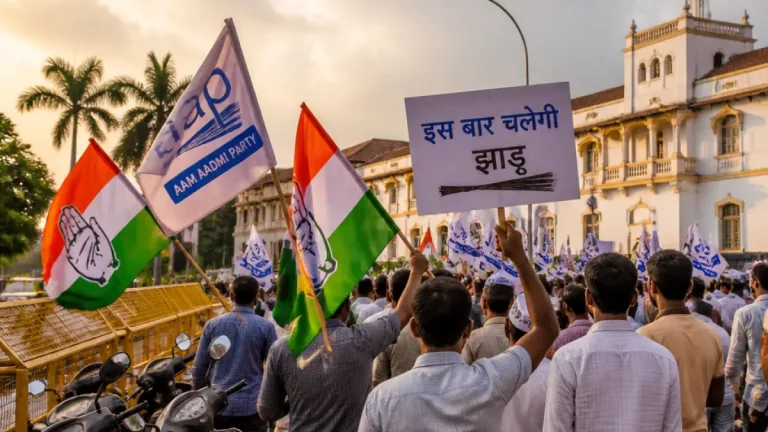
Political leaders and observers have noted the timing of delimitation ahead of municipal elections. In the 2021 KMC election, the Bharatiya Janata Party (BJP) won only three of the 144 wards but has since made electoral gains in Assembly seats within the city. The BJP now holds six of Kolkata's 11 assembly constituencies, including Bhabanipur where the Chief Minister defeated his predecessor in a high-profile contest earlier this year.
Opposition figures and some analysts have suggested the redraw could alter the electoral arithmetic in particular neighbourhoods, though the government maintains the exercise is administrative and population-driven.
What changes mean for residents
If the proposed ward sizes are achieved, residents across Kolkata could see municipal representation become more localised, with councillors responsible for smaller populations. The state argues such a structure would allow for quicker grievance redressal and improved delivery of services such as waste management, water supply and street maintenance.
| Municipal body | Current wards | Wards after delimitation |
|---|---|---|
| Kolkata Municipal Corporation | 144 | 209 |
| Howrah Municipal Corporation | 50 | 68 |
Officials said the delimitation process will also require administrative updates — revision of voter lists at the ward level, reassignment of polling booths in some localities and formal publication of new ward boundaries ahead of the election schedule. The exact timetable for these steps has not been publicly detailed by the state.
Responses and the road ahead
While the state government emphasises improved governance, opposition voices have cautioned about potential partisan benefit from the changes. Political parties preparing for municipal elections will now need to reassess local strategies, reach out to reshaped electorates and, in some cases, select candidates for newly created wards.
For Kolkata citizens, the immediate practical questions will centre on how and when voter lists and booth locations are updated, and whether the promised parity in ward populations is realised in the final maps to be notified by municipal authorities.
The assembly clearance sets the legal framework for the new boundaries. Administrative notifications, publication of final maps and electoral preparations will determine how the changes play out on the ground as the state heads into a busy municipal poll season.