Senior PGIMS-Rohtak professor proposes practical changes to medical education and service deployment
Rohtak: Calls for reform in the medical education system have been advanced by Dr Kundan Mittal, Senior Professor and Medical Superintendent at Pt. B.D. Sharma Post Graduate Institute of Medical Sciences (PGIMS)-Rohtak, who outlined a set of measures aimed at strengthening training, improving discipline and directing young doctors to primary-care centres, according to The Tribune.
- Prioritise deployment of bonded doctors at Primary Health Centres (PHCs) and Community Health Centres (CHCs) where staff shortages are most acute.
- Redesign the District Residency Programme to increase time and supervision at PHCs/CHCs and ensure residents remain at posted centres.
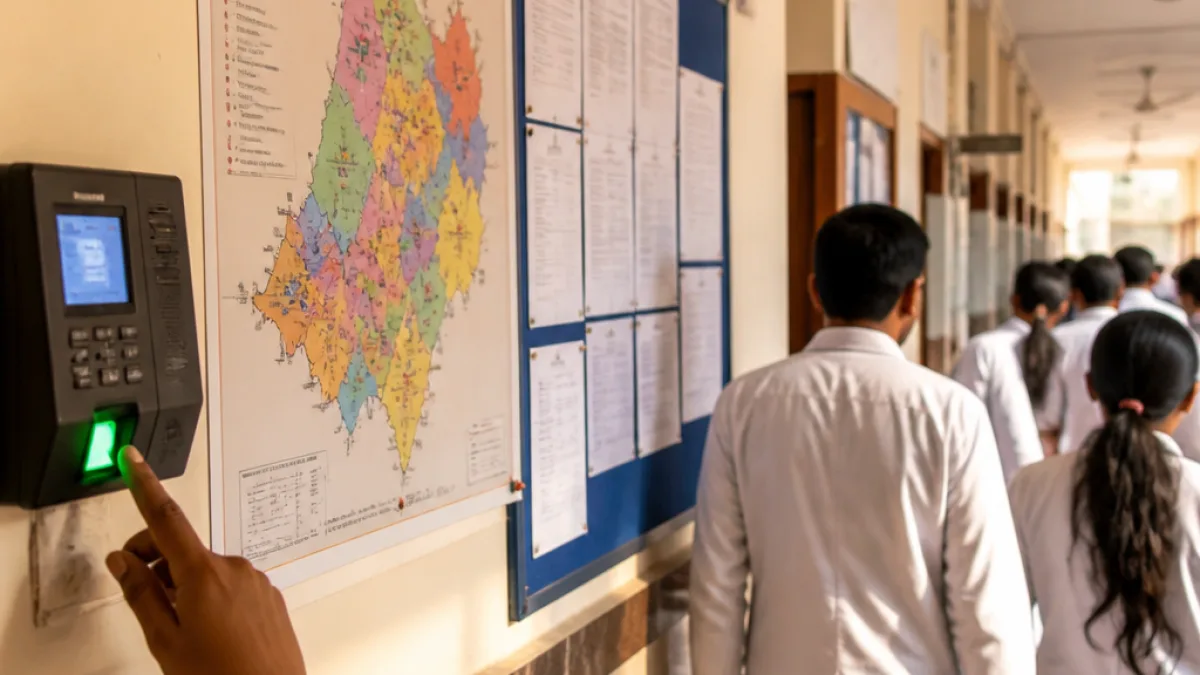
- Introduce biometric attendance for all teaching sessions and daily reporting to the National Medical Commission to enhance discipline and learning outcomes.
Dr Mittal's proposals, reported by The Tribune, seek to align the output of government medical colleges more closely with public-health needs in districts. He argued that compulsory service bonds — widely used to retain newly qualified doctors — are often not utilised to address gaps at primary- and community-level facilities and should be targeted there.
"Compulsory service bonds should be utilised more effectively by deploying bonded doctors mainly at Primary Health Centres (PHCs) and Community Health Centres (CHCs), where shortages are highest," reported The Tribune, attributing the suggestion to Dr Kundan Mittal.
Among Dr Mittal's other recommendations are rotational appointments for heads of departments in government medical colleges to broaden leadership participation and strengthen academic governance, and a redesign of the District Residency Programme that places greater emphasis on hands-on experience at PHCs and CHCs. He also called for stronger monitoring to ensure residents remain at designated centres.
Changes proposed for students and faculty
On measures affecting students, the proposals include implementing biometric attendance for every teaching session with daily records sent to the National Medical Commission (NMC). The aim is to tighten discipline and improve learning outcomes by ensuring accountability for participation in scheduled academic activities.
To address students' mental-health needs, Dr Mittal recommended scientifically designed psychological assessments during medical admissions to identify candidates who may benefit from early counselling, stressing this should be a supportive measure and not a basis to exclude applicants.
For faculty appraisal, he suggested moving away from the traditional Annual Confidential Report (ACR)-based system towards a standardised national framework focused on transparency, accountability and professional development. He also urged greater involvement of pre-clinical faculty in academic administration to strengthen institutional governance.
| Proposed measure | Intended effect |
|---|---|
| Deploy bonded doctors at PHCs/CHCs | Reduce workforce shortages at primary-care level |
| Biometric attendance for teaching sessions | Improve student discipline and record-keeping for regulators |
| Redesigned District Residency Programme | Increase resident exposure to community health and bolster rural services |
Local context and implications
PGIMS-Rohtak is a major government medical college and hospital in Haryana; proposals affecting bonding, residency and assessment have direct implications for medical students and early-career doctors attached to the institute as well as for district health services across the region. If implemented at scale, the measures could shift the distribution of clinical manpower towards under-served rural and semi-urban primary-care facilities.
Officials at PGIMS or the state health department have not been quoted in the report published by The Tribune. The proposals touch on policy areas governed by multiple authorities, including the National Medical Commission and state health departments, so actionable changes would require policy decisions at those levels.
The recommendations also intersect with ongoing debates on how best to ensure quality clinical training while meeting public-health staffing needs. Proposals such as biometric attendance and standardised national faculty assessment frameworks would require administrative investment and coordination between colleges and regulators.
Dr Mittal's suggestions, as reported, focus on administrative and structural reforms rather than changes to the core curriculum. They flag the nexus between medical education and service delivery, emphasising that training reforms can have immediate effects on health-care availability in district-level facilities.