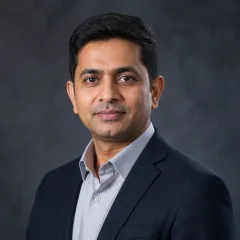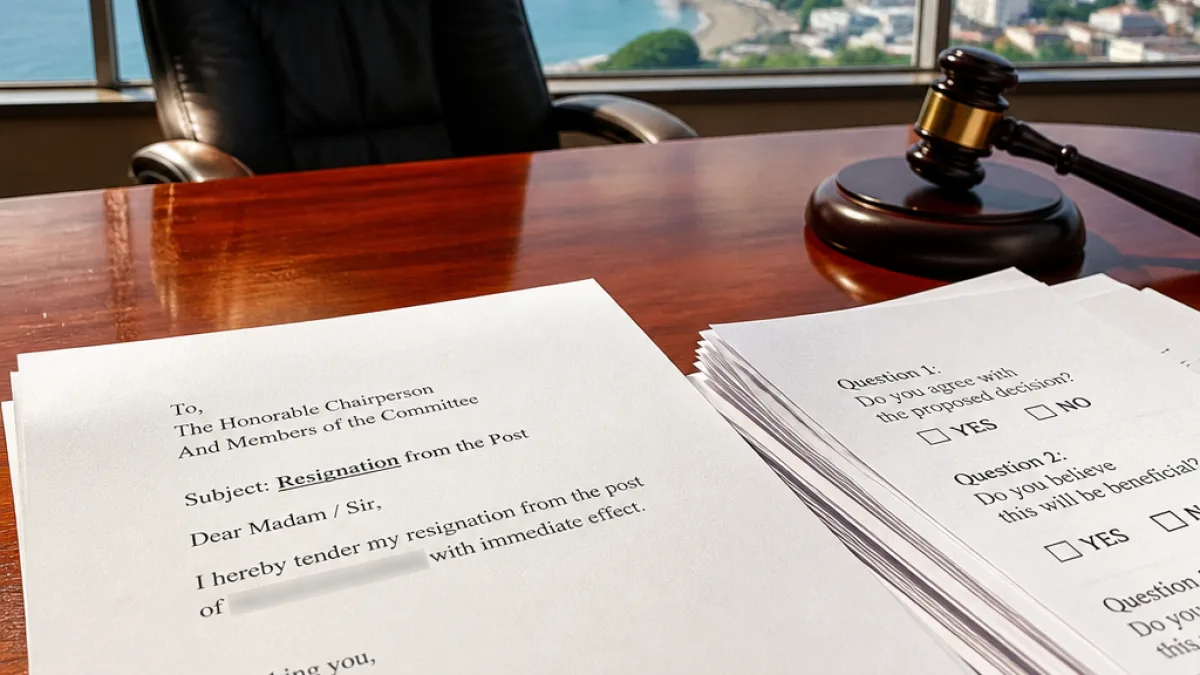
Mumbai, 23 September — Retired Bombay High Court judge Justice R C Chavan has resigned from the Maharashtra Government’s committee formed to draft a framework for implementing a Uniform Civil Code (UCC), objecting to the panel’s decision to limit public responses to a binary “yes/no” format, according to his resignation letter to committee chairperson Justice Ranjana Desai (retd).
Resignation over consultation method
Justice Chavan, who stepped down from the seven-member committee on 19 September, said in his letter that reducing complex social questions to simple affirmative or negative responses undermined the committee’s mandate to elicit considered public views and build consensus. He listed issues such as delayed marriages, infertility, marital instability and the slow pace of dispute resolution as examples of subjects that cannot be meaningfully captured through a binary questionnaire.
"Now that the misunderstanding is removed, I realise that the aim is merely to provide an opportunity to people who may care to share their responses in a 'yes or no' format so that analysis of the data becomes easy,"
The committee was constituted by the state government in July with Justice Ranjana Desai, a retired Supreme Court judge, as chairperson. Its stated purpose is to prepare a draft framework for implementing the UCC — a law that would standardise civil matters such as marriage, divorce and inheritance across religious communities.
Concerns over conduct of meetings and outside involvement
In his resignation, Justice Chavan also raised procedural concerns. He alleged several meetings were concluded without substantive deliberation, with agenda items like confirmation of minutes, changes to the committee's website and finalisation of the questionnaire being disposed of quickly at the chairperson's direction.
Further, Chavan questioned the involvement of an officer from outside Maharashtra in the committee’s work. He flagged this as a point of contention in his decision to step down, saying it contributed to his doubts about how the panel was operating.
What the committee is meant to do
The seven-member panel was set up to draft a framework for implementing the Uniform Civil Code in Maharashtra. The UCC seeks to create a common law for citizens across religions on personal matters such as marriage, divorce and inheritance. The government has said the committee will solicit public feedback before finalising the draft framework; Justice Chavan’s resignation centres on how that feedback will be gathered.
| Detail | Information |
|---|---|
| Committee head | Justice Ranjana Desai (retd) |
| Member who resigned | Justice R C Chavan (retd) |
| Committee size | Seven members |
| Date of resignation | 19 September |
Implications for public consultations
Justice Chavan’s objection strikes at the heart of how the government intends to engage citizens on sensitive social reforms. A questionnaire limited to yes/no answers could make statistical analysis simpler, but legal experts and civil society often argue that complex personal laws require nuanced feedback and qualitative inputs to surface lived experiences and unintended consequences.
Observers noted that the manner of consultation can affect both the substance of recommendations and public perceptions of legitimacy. If citizens feel their views are being channelled into oversimplified options, it could reduce trust in the process and complicate any subsequent legislative steps.
- Key procedural issues flagged: rapid disposal of agenda items; prior circulation of questions approved by the chairperson.
- Substantive issues that Chavan said cannot be reduced to binary answers: delayed marriages, infertility, unstable marriages, slow dispute resolution.
- Governance concern: involvement of an officer from outside Maharashtra questioned.
The state government had not issued an immediate response to the resignation as of this report. The committee’s next steps — including whether it will revise the consultation format or continue with the approved questionnaire — remain to be seen.
The development adds a fresh layer to the debate in Maharashtra over the UCC, which intersects with legal, social and political considerations. How the panel conducts consultations and who remains on it will shape the trajectory of any future recommendations on a common civil code in the state.
Sameer Joshi is the Maharashtra correspondent.