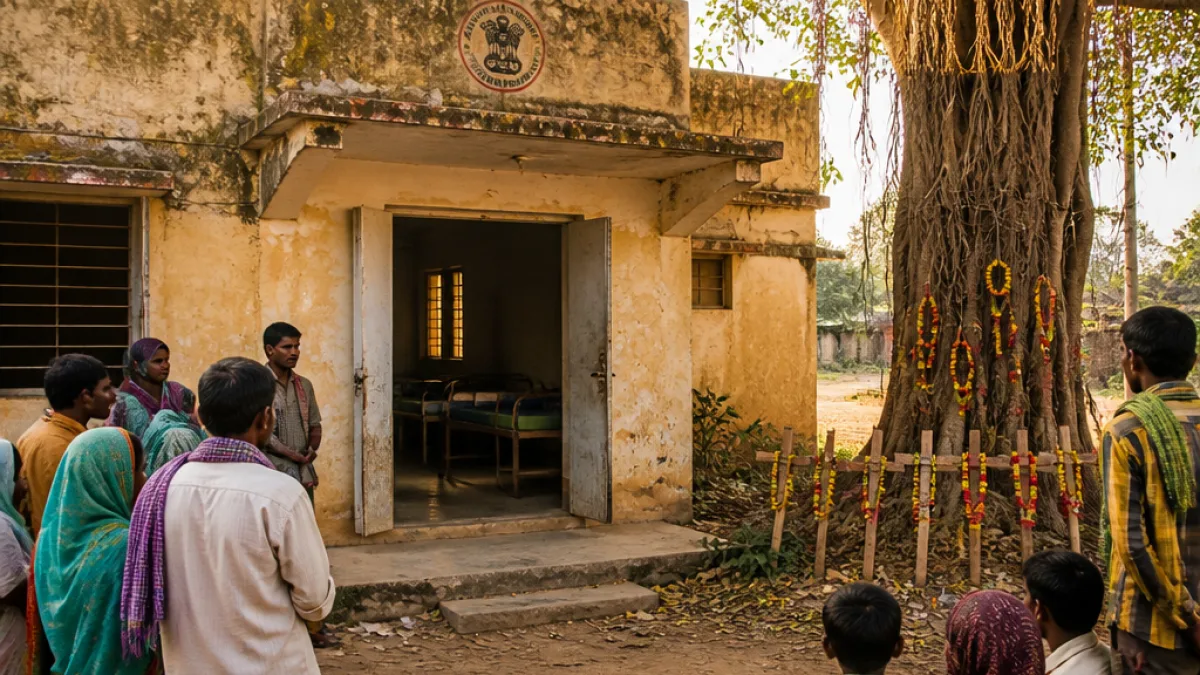
New Delhi/Balaghat, Leader of the Opposition in the Lok Sabha Rahul Gandhi on Thursday sharply criticised the Madhya Pradesh government over the deaths of more than 30 tribal children in Balaghat, alleging that the fatalities were driven by illness, malnutrition and a lack of basic healthcare facilities.
Allegations of neglect and systemic failures
In a post on his WhatsApp channel, Gandhi said the deaths pointed to an absence of core health services and what he described as official indifference. He alleged that action had been slow while the government remained inactive, and directly appealed to the Chief Minister to examine conditions on the ground rather than focusing on ceremonial duties.
"Balaghat mein 30 se zyada Adivasi bachchon ki bimari, kuposhan aur buniyadi swasthya suvidhaon ki kami ke beech maut ho chuki hai," he wrote, adding that "kaarwai sust rahi, sarkar soti rahi."
Gandhi listed multiple factors he said were endangering children’s lives in tribal areas: illness, acute malnutrition, lack of clean drinking water and what he termed a degraded health system. He also alleged the circulation of adulterated medicines and poisonous illegal liquor had devastated families in the region.
Political context and planned visit
The remarks come amid continuing scrutiny of fatalities reported from Balaghat’s predominantly tribal areas. Gandhi said he would travel to Indore and would seek feedback from students, young people and ordinary citizens across the state as part of his outreach.
Describing his assessment of the state administration, Gandhi accused the Madhya Pradesh government of being among the most corrupt and poorly governed, asserting that various disadvantaged groups – children, the poor, Dalits, Adivasis, backward communities and women – were facing difficulties.
Immediate public health implications
The allegations, if verified, point to failures in several public health domains that directly affect tribal populations: primary healthcare availability, nutritional support, potable water access and regulatory oversight of medicines and illicit alcohol. Tribal districts such as Balaghat often face structural barriers to services owing to remoteness, limited infrastructure and socio-economic marginalisation.
- Reported deaths: more than 30 tribal (Adivasi) children in Balaghat.
- Alleged causes: illness, malnutrition, lack of basic health facilities, contaminated medicines and illegal liquor.
- Political response: Opposition leader to visit Indore and seek public feedback; direct appeal to the Chief Minister to inspect conditions.
Where verification and official response matter
At present, Gandhi’s post contains allegations that require confirmation through local health records, district administration reports and official investigations. The state government’s response, specific data on causes of death, timelines of incidents and any ongoing remedial measures were not included in the post and remain necessary for a complete picture.
| Aspect | Allegation/Report |
|---|---|
| Number of child deaths | More than 30 (tribal children in Balaghat) |
| Primary concerns raised | Illness, malnutrition, lack of basic health facilities, contaminated medicines, illegal liquor |
| Immediate political action | Opposition leader to visit Indore and engage with citizens |
Local health officials, district administration and the state government will need to provide data on causes of death, results of any medical and post-mortem examinations, and the status of public health interventions for the affected villages. Past public health responses in tribal areas have included targeted nutritional programmes, mobile medical units and water-supply schemes; details on whether such measures were in place in the affected pockets of Balaghat were not cited in the post.
Wider significance for tribal welfare
Balaghat is among districts with substantial tribal populations. Allegations of repeated child fatalities linked to malnutrition and preventable disease would carry broader implications for delivery of welfare schemes, monitoring of nutrition programmes such as the Integrated Child Development Services (ICDS), and the functioning of primary health centres and sub-centres that serve remote habitations.
Local and state authorities are expected to respond with verified data and, if required, immediate corrective action including medical camps, nutritional support drives and an inquiry into the availability and quality of medicines and potable water. Independent verification by health experts and civil society groups would also help clarify the scale and causes of the reported deaths.
As the controversy develops, confirmation from district health records and statements from the Madhya Pradesh government will be pivotal to establishing the facts and guiding remedial measures in Balaghat’s tribal areas.