Corporation passes plan to restore ecological health of five ponds
The Chandigarh Municipal Corporation has cleared a proposal to rejuvenate five village ponds identified across the city, officials said. The work will be carried out at ponds in Dhanas, Kaimbwala, Khuda Ali Sher, Sarangpur and Dadumajra, with the corporation inviting online proposals from eligible agencies, firms, companies and joint ventures for end-to-end restoration.
According to the approved plan, the selected agency will be responsible for the full project cycle: survey, design, engineering, supply, installation, testing, commissioning, trial run, performance validation, and ongoing operation, maintenance and monitoring for each pond. The proposal emphasises use of the latest technologies to improve pond water quality and ecological function.
The key environmental objectives listed in the proposal include:
- Restoring water quality and maintaining a healthy dissolved oxygen regime
- Re-establishing nutrient balance and ecological function
- Improving visual condition and eliminating foul odour
- Enhancing groundwater recharge and promoting sustainable use of treated wastewater
Municipal documents underpinning the proposal cite a continuing decline in groundwater levels across Chandigarh driven by rising urbanisation, excessive extraction and loss of natural recharge sources. Many of the existing village ponds, the proposal notes, require active intervention to restore ecological health and to function as effective groundwater recharge points.
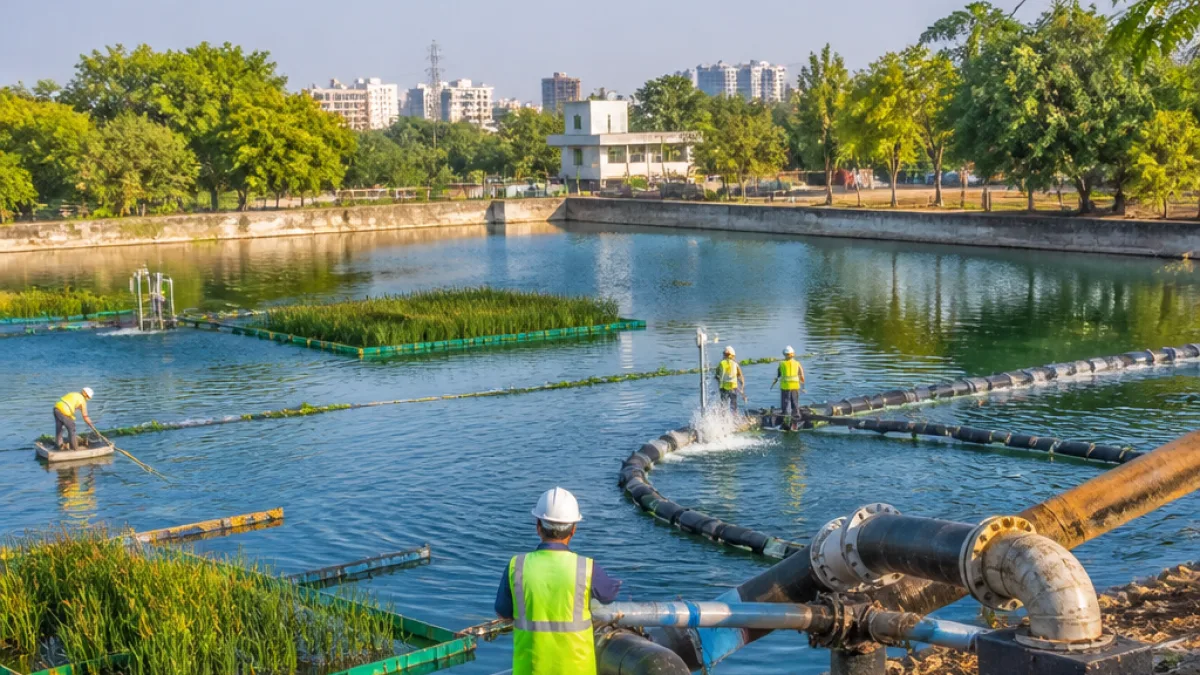
As part of the technical approach, the corporation has proposed the utilisation of tertiary-treated recycled water from sewage treatment plants (STPs), after suitable additional treatment where required, to replenish the ponds. Adoption of advanced treatment and in-situ biological remediation methods is expected to reduce turbidity, suspended solids and nutrient loads that currently impair pond health.
| Village | Planned Intervention |
|---|---|
| Dhanas | Water quality and hydraulic management, ecological remediation |
| Kaimbwala | Rejuvenation using advanced treatment and monitoring |
| Khuda Ali Sher | Biological remediation and groundwater recharge enhancement |
| Sarangpur | Pond restoration and odour control measures |
| Dadumajra | Hydraulic management and ecological restoration |
Ward councillor Jaswinder Kaur, whose ward includes two of the identified ponds, had raised concerns about the deteriorating condition of these water bodies during the municipal meeting, according to the proposal papers. The plan responds to such concerns by prescribing technologies aimed at eliminating foul odour, restoring ecological balance and improving the aesthetic and environmental value of the ponds.
Officials said the tendering process will be conducted online to attract experienced agencies capable of delivering integrated solutions. The scope requires firms to undertake both infrastructure work and long-term monitoring to ensure the ponds function as living ecosystems and recharge sources rather than merely decorative water bodies.
Environmental specialists and urban-water managers have increasingly recommended the use of treated municipal wastewater to replenish urban ponds, arguing that it is a resource-efficient option when combined with appropriate treatment safeguards. The corporation's proposal echoes this view, stating that utilisation of tertiary-treated recycled water is an "environmentally sustainable and resource-efficient solution" for replenishing ponds while reducing pressure on groundwater.
If implemented effectively, the project could yield multiple local benefits: improved groundwater recharge in peri-urban wards, better public-health outcomes by removing odour and stagnation, and revived biodiversity in and around the ponds. The proposal also points to potential aesthetic and recreational gains for communities adjacent to these water bodies.
Next steps include finalising the tender documents, inviting bids and selecting agencies for each pond. The corporation has not yet announced a timeline for completion, nor the estimated cost of the overall programme, which will be decided through the procurement process.