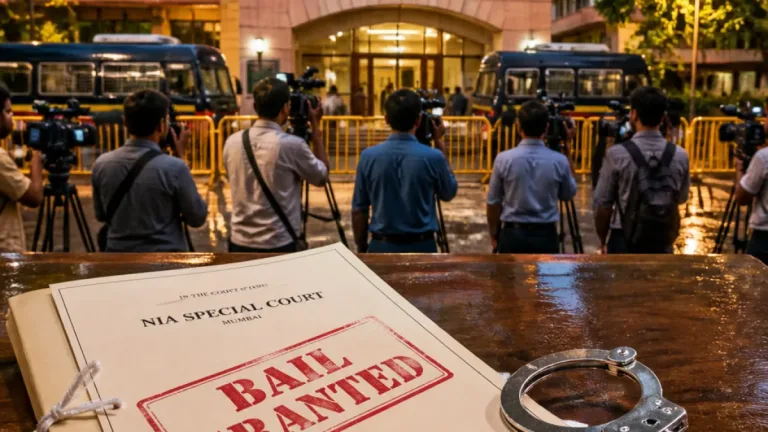
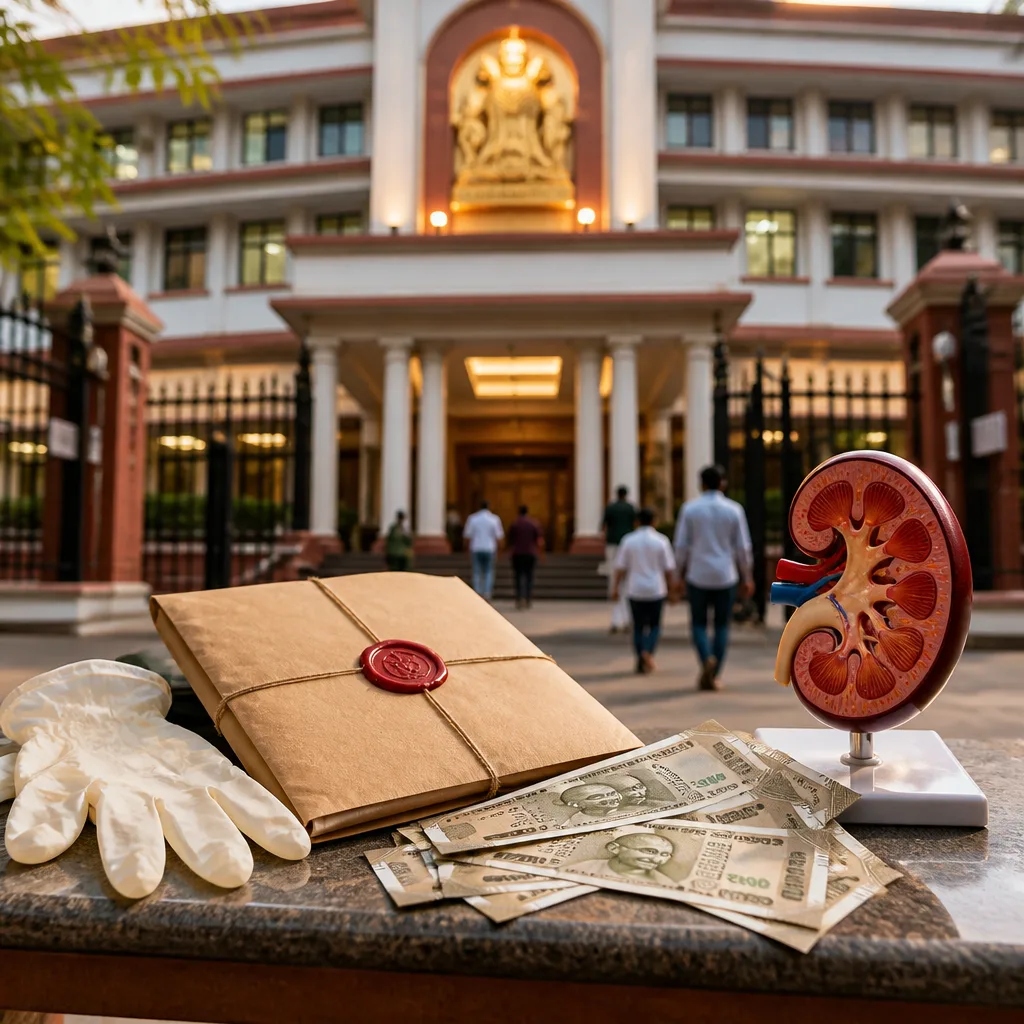
The Kerala High Court on August 11 refused bail to a businessman accused of facilitating illegal organ transplantation through a medical tourism company, describing organ trafficking as "a serious crime against humanity and society at large" that corrodes public confidence in legitimate donation programmes.
Court order, allegations
Justice Kauser Edappagath, while rejecting bail, said illegal organ trade "exploits" impoverished and marginalised people, fuels transnational crime networks and diminishes trust in lawful medical systems. The order noted that, driven by a deficit of legal donor organs, vulnerable individuals are often coerced or deceived into parting with body parts for paltry sums and then left without adequate aftercare.
"Organ trafficking is a serious crime against humanity and society at large," the August 11 order read, adding that illegal trading "corrupts healthcare professionals and institutions, making the public sceptical of legitimate, lifesaving, altruistic organ donation programmes."
The accused, identified by the prosecution as 53‑year‑old Muhammed Najeeb Kallatra, is said to have been running Kallatharas Medical Tourism Pvt Ltd. The prosecution alleged that the company operated with the intention of making unlawful profit through illegal organ trade and, together with other accused, forged certificates on the letterheads of district hospital doctors, affixing forged seals and signatures.
According to the charge sheet material referenced in the order, on October 8, 2025, the kidney of one of the accused was reportedly transplanted to a recipient at a hospital. The prosecution submitted that the accused committed offences of organ trafficking in the guise of a tourism business.
Accused's plea and court reasoning
Kallatra contended that his role was limited to arranging accommodation, transportation and post‑operative care for patients undergoing treatment at hospitals in Ernakulam, and that he had no connection with the alleged forgeries or the transplantation itself. The court, however, found sufficient gravity in the allegations to deny bail, emphasising the broader societal harm posed by organ trafficking.
The bench observed that illegal trading not only exploits marginalised groups for minimal financial gain but also leaves them to shoulder long‑term health complications without proper medical aftercare. It noted the potential of such acts to corrupt healthcare professionals and institutions, thereby eroding public confidence in legitimate organ donation and transplantation programmes.
Broader implications
The court's language underscores the intersection of organised crime and medical malpractice in alleged organ‑trafficking cases. If proven, the charges carry implications for regulation of transplant services, oversight of medical tourism intermediaries and coordination between law enforcement and health authorities.
- Accused: Muhammed Najeeb Kallatra, 53, operator of Kallatharas Medical Tourism Pvt Ltd.
- Allegations: Facilitating illegal organ transplant, forging doctors' certificates and seals, profiting through organ trade.
- Key incident: Kidney transplant on October 8, 2025 involving one of the accused.
- Court action: Bail denied on August 11; observations on organ trafficking as a crime against humanity.
| Detail | Reported information |
|---|---|
| Company | Kallatharas Medical Tourism Pvt Ltd |
| Amount mentioned | Prosecution noted a payment of Rs 9 lakh to a donor |
| Judicial remark date | August 11 (order) |
The court highlighted the challenge posed by scarcity of legally available donor organs, which can create conditions exploited by organised groups. It warned that such exploitation not only harms individuals sold into the trade but also undermines legitimate medical efforts to encourage altruistic donation.
The trial court and investigative agencies will now proceed with the criminal process as per the charges framed and the evidence gathered. The order serves as a reminder of judicial scrutiny in cases sitting at the junction of health care and criminality and of the need for vigilant regulatory and enforcement responses to protect vulnerable populations.
Further proceedings will determine the veracity of the allegations and the extent of the accused's involvement in the activities that drew the court's strong condemnation.