New screening method from Indore could reduce reliance on biopsy for early detection
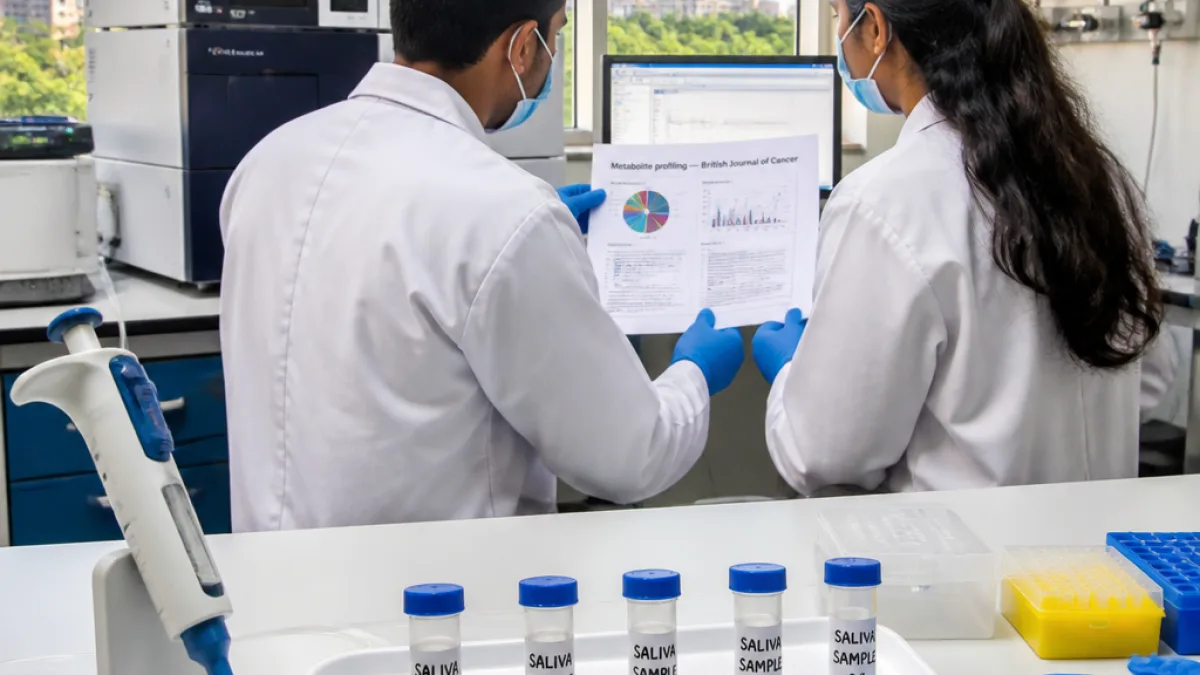
IIT Indore researchers have developed a non‑invasive technique that uses two simple samples — saliva and an oral swab — to identify molecular signatures associated with early oral cancer and a precancerous condition, according to a study published in the British Journal of Cancer.
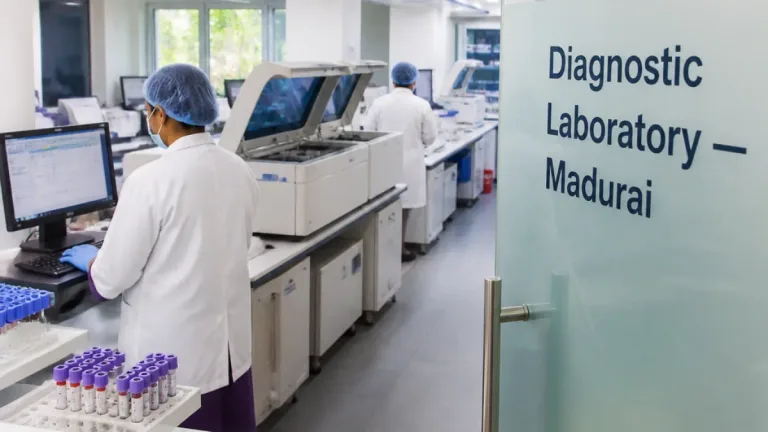
The team, reporting findings in the peer‑reviewed journal, analysed samples from three groups: healthy individuals, people with oral submucous fibrosis (OSF) and patients with oral squamous cell carcinoma, the most common form of oral cancer. Their work used liquid chromatography–mass spectrometry (LC‑MS) to detect differences in metabolites and molecular pathways across these groups.
- Samples studied: saliva and an oral mucosal swab.
- Conditions examined: oral squamous cell carcinoma and oral submucous fibrosis.
- Analytical method: LC‑MS to profile metabolic and molecular changes.
The researchers report that the test identifies alterations in biological processes such as lipid and energy metabolism, responses to oxidative stress, tissue repair mechanisms and immune activity that distinguish healthy mouths from those affected by OSF and cancer. These molecular differences could form the basis of a screening tool capable of flagging early warning signs before lesions become clinically evident.
"The technique could eventually lead to quick, economical and easy‑to‑use screening tools that can be used at the point of care," the study notes.
Clinical and public‑health implications for Indore and beyond
Oral cancer remains a major public‑health concern in many parts of India, where risk factors such as tobacco and areca‑nut consumption are prevalent. The IIT Indore approach emphasises non‑invasiveness and affordability, features that could expand access to screening in remote and rural areas where specialist diagnostics and biopsy services are limited.
Current diagnostic standards rely on biopsy, an invasive procedure that, while definitive, can be painful and difficult to repeat for surveillance. A validated saliva/swab‑based test could serve as an initial triage tool to prioritise patients for further diagnostic work‑up and expedite referrals to specialised care when molecular abnormalities are detected.
Path to translation
The research team has filed a patent application for the technology, signalling intent to move from laboratory demonstration towards clinical and commercial development. The publication in an international oncology journal provides an initial scientific validation; however, further steps will be required before the test becomes widely available.
| Sample type | Group analysed | Key molecular signals |
|---|---|---|
| Saliva | Healthy, OSF, Oral cancer | Lipid/energy metabolism, oxidative stress markers |
| Oral mucosal swab | Healthy, OSF, Oral cancer | Tissue repair and immune‑related activity |
Developers will need to undertake larger, prospective clinical studies to establish performance metrics such as sensitivity, specificity and predictive value in diverse populations. Integration into primary‑care settings will also require affordable, robust test formats and appropriate training for frontline health workers.
For Indore and surrounding districts, a reliable point‑of‑care screening tool could reduce diagnostic delays and support early intervention programmes. Early detection is widely recognised as a key factor that improves treatment outcomes and reduces morbidity associated with oral cancers.
While the research offers promise, experts caution that laboratory findings need careful validation in community settings. The pathway from a metabolomics study to a routine screening test involves regulatory approvals, cost‑effective manufacturing and field‑level feasibility assessments.
In summary, the IIT Indore study contributes to an expanding body of work exploring non‑invasive approaches for cancer detection. If subsequent trials confirm the findings, the saliva and swab‑based method could become an important addition to screening strategies, particularly in areas with limited access to specialist diagnostic services.