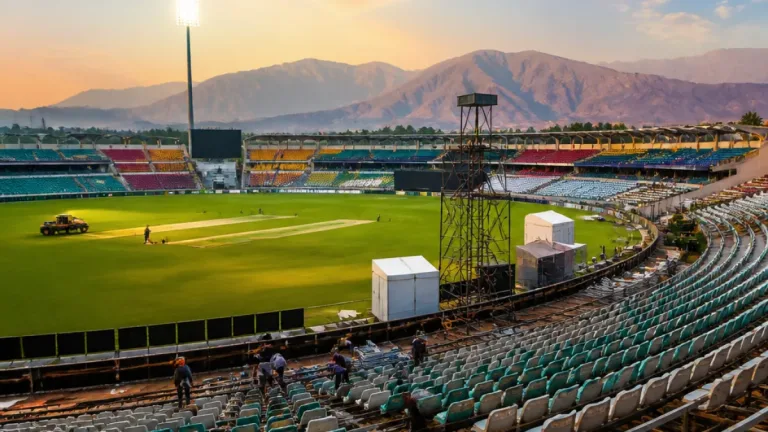
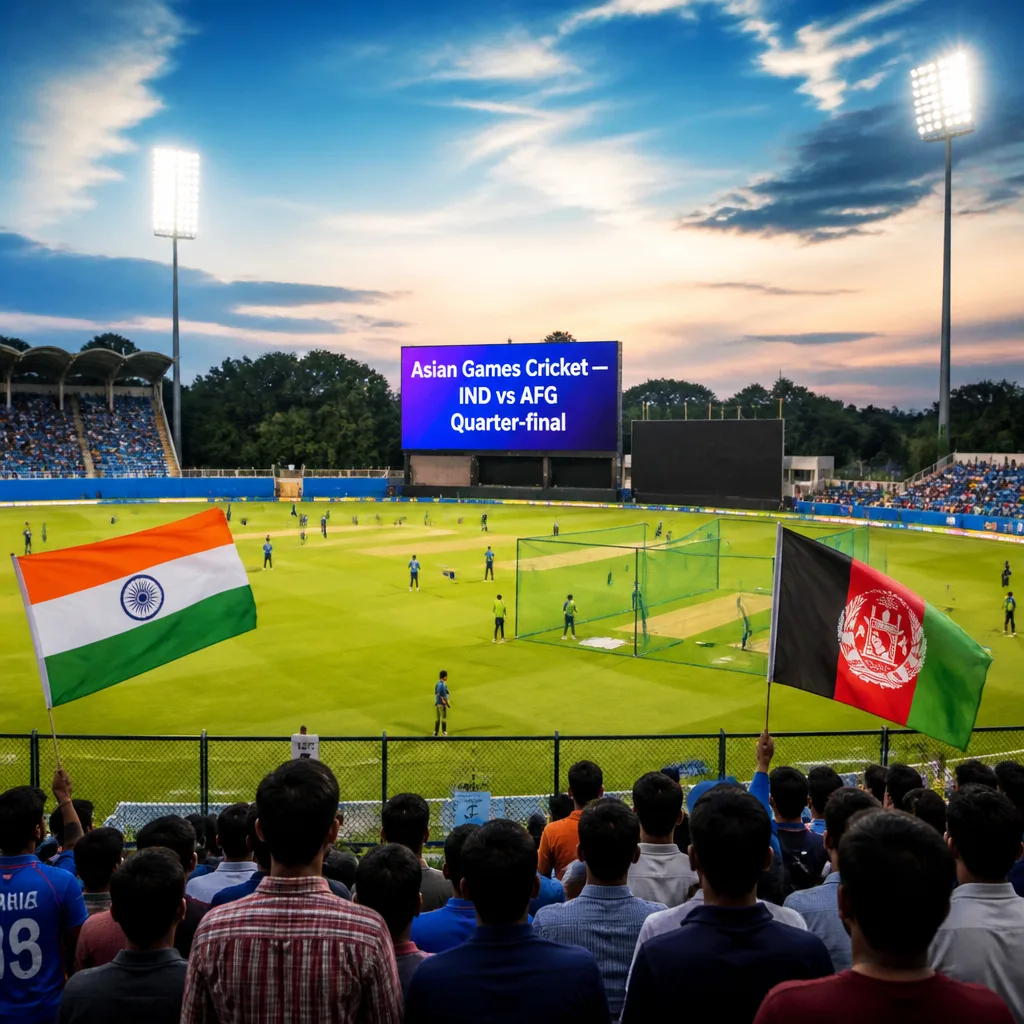
India will open their defence of the Asian Games men’s cricket title when they meet Afghanistan in a quarter-final at Korogi Sports Park, Nisshin, on Monday, September 28. The turning point heading into the knockout is India’s direct entry into the last eight as one of Asia’s top-ranked T20I sides, while Afghanistan had to battle through the group stage to secure their place.
India bring experience and balance
India’s squad, led by Shreyas Iyer, blends recognised T20 performers and all‑round options that should suit the tournament format. The batting line-up contains several players capable of exerting pressure from the outset: Abhishek Sharma—in form and a noted power-hitter at the top—alongside Sanju Samson, Ishan Kishan and Tilak Varma, offering depth and varied strokeplay. Iyer’s role will be to anchor the middle order and marshal a team heavy on experience.
The bowling unit also presents a varied attack. Jasprit Bumrah is expected to provide control with the new ball and at the death, complemented by left-arm pace from Arshdeep Singh. India’s spin resources—Axar Patel, Washington Sundar and Ravi Bishnoi—offer multiple options should the surface assist finger or wrist spin. Selection questions remain, including whether Vaibhav Sooryavanshi, who was left out of recent T20I duties against Afghanistan and Japan, will find a place in the XI.
Afghanistan’s path: resilience and youthful promise
Afghanistan advanced as Group A runners-up. Their campaign began with a convincing win over hosts Japan and included a five-wicket loss to Nepal. The final group contest between Nepal and Japan was washed out after Nepal reached 149 for 4 in a shortened 15-over game, which confirmed Afghanistan’s progress to the quarter-finals.
Key individual performances highlighted Afghanistan’s group-stage campaign. Arab Gul Momand produced a match-winning four-wicket haul, finishing with figures of 4 for 8 in the victory over Japan, while Nangeyalia Kharote claimed 3 for 19. The side, led by Darwish Rasooli, mixes youth with experienced figures such as Karim Janat and Najibullah Zadran, offering a combination that can be dangerous in knockout cricket.
- Venue: Korogi Sports Park, Nisshin
- Date: Monday, September 28
- India: Direct entry to quarter-finals as one of Asia’s top-ranked T20I teams
- Afghanistan: Group A runners-up after beating Japan, losing to Nepal and benefiting from a Nepal–Japan washout
| Afghanistan Group Results | Result |
|---|---|
| vs Japan | Won (Afghanistan 129/6; Japan 81 all out) |
| vs Nepal | Lost (by five wickets) |
| Nepal vs Japan | Washout (Nepal 149/4 in 15 overs) |
Match-ups to watch will centre on whether India’s seamers can exploit early movement and whether Afghanistan’s spinners can find purchase should the pitch offer assistance. Abhishek Sharma’s aggression at the top could set the tone for India, while Momand’s form with the ball gives Afghanistan a match-winner to unsettle the top order.
Beyond the immediate quarter-final, the fixture carries significance for India’s broader objectives at Nagoya: defending the gold won previously means navigating a tight knockout schedule where a single off day can end the campaign. For Afghanistan, progression to the last eight from a compact group underlines their growing depth in white-ball cricket and provides a chance to test themselves against a full-strength Indian outfit.
Both sides will be mindful that knockout cricket at multi-sport events often turns on small margins—tactical choices at the toss, the use of specialist bowlers in key overs, and handling pressure situations. With experienced leaders and match-winners on either side, the quarter-final promises a contest where momentum and execution will decide who advances.