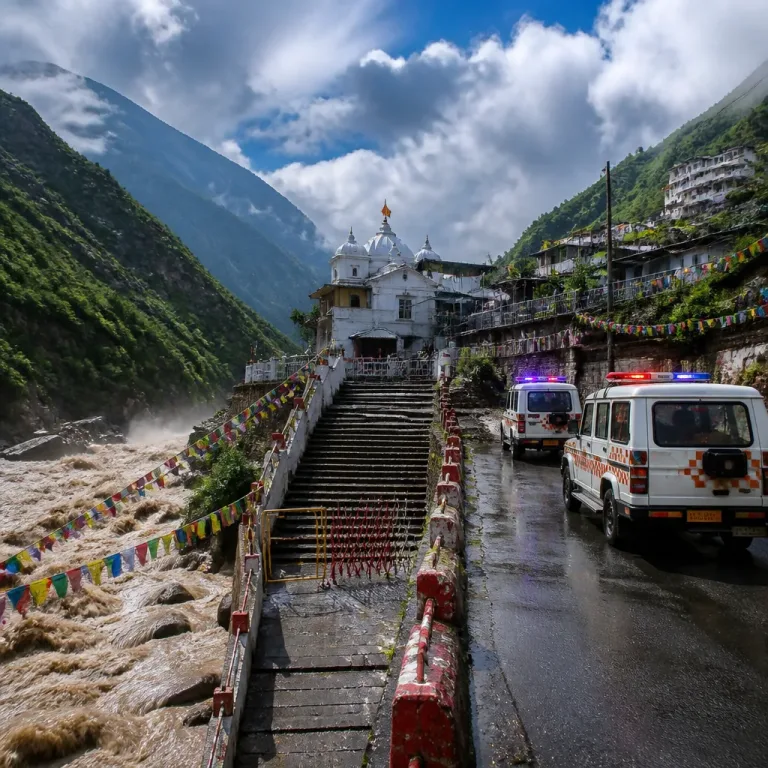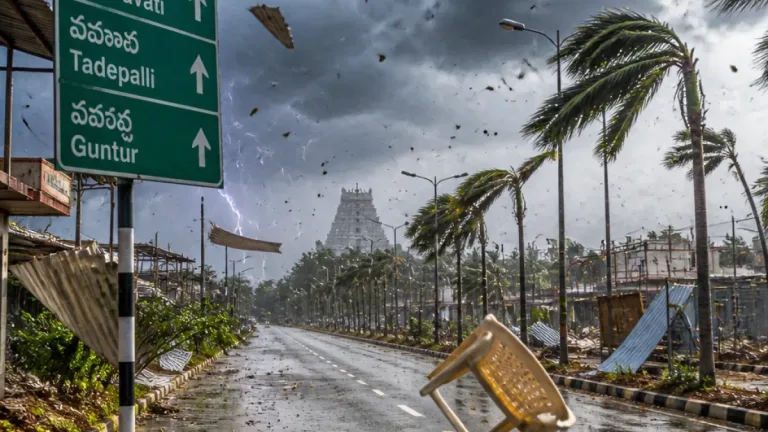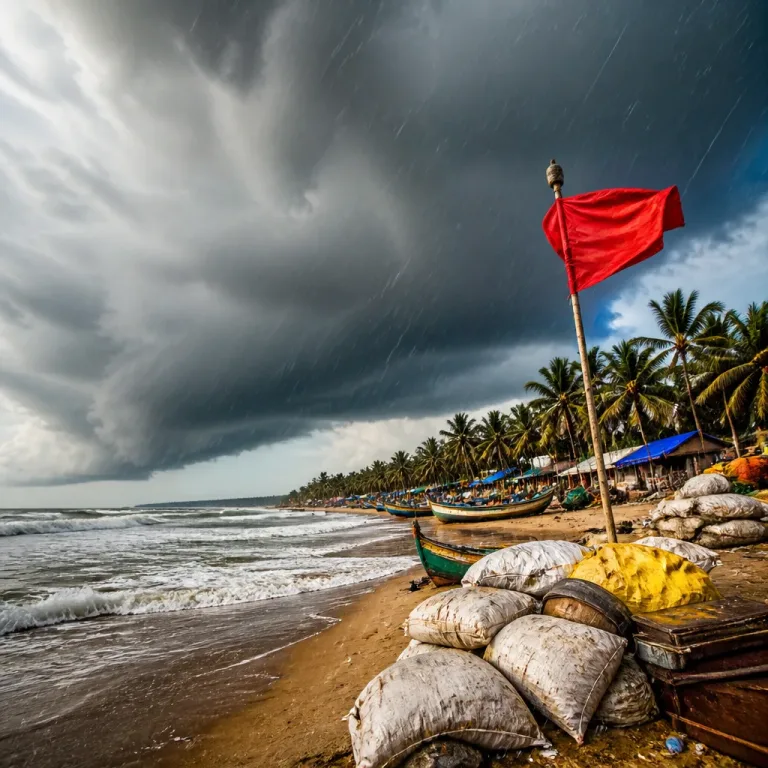

NEW DELHI: The India Meteorological Department (IMD) has forecast rain and thunderstorms across several regions of the country over the coming days, warning of heavy to very heavy precipitation in parts of northwest, central, eastern, northeastern and western India. The agency has also cautioned about associated thunderstorms, lightning and gusty winds.
Areas at risk and short-term outlook
The IMD expects light to moderate rainfall in the Delhi-NCR and adjoining areas through 16 August, with spells of heavier rain anticipated on specific days. Another active spell is likely on 13 August, when isolated pockets of heavy rainfall could occur over the national capital.
Haryana is forecast to receive fairly widespread to widespread rainfall with an expected fresh spell on 13 August; isolated heavy downpours are possible the same day. Chandigarh has been flagged for isolated heavy rainfall on 13 August as well.
In Uttar Pradesh the IMD predicts widespread activity in East UP later in the week. West UP may experience heavy rains on 14 and 15 August, while East UP could see heavy rainfall during 13–15 August.
Madhya Pradesh is likely to remain rainy over the next four days, driven by active monsoon conditions and low-pressure systems in adjoining regions.
Bihar: Yellow Alert and district-wise concerns
IMD's Patna office has issued a Yellow Alert for more than 20 districts until 13 August, signalling the likelihood of thunderstorms, lightning and gusty winds of 30–40 kmph in the flagged areas. The warning is focused on north Bihar and the Seemanchal region as the weather system shifts towards those districts.
The following districts in north and adjoining areas have been included under alert:
- West Champaran, East Champaran, Sitamarhi, Sheohar, Madhubani, Gopalganj, Siwan, Muzaffarpur, Darbhanga, Saran, Vaishali, Samastipur — Yellow Alert until 13 August for gusty winds and lightning.
- On 13 August the alert will continue across parts of north Bihar and eastern Bihar including Munger, Khagaria, Bhagalpur, Banka and Jamui.
The IMD highlighted that heavy rainfall with lightning and strong squalls is particularly likely around Kishanganj and Katihar. Several other districts — including Patna, Buxar, Bhojpur, Rohtas, Gaya, Nawada and Aurangabad — are expected to remain in the Green Zone for the period mentioned.
| Region / State | Key details | Important dates |
|---|---|---|
| Delhi-NCR | Light to moderate rain; isolated heavy rainfall | Through 16 Aug; heavier on 13 Aug |
| Haryana & Chandigarh | Fairly widespread rain; isolated heavy | 13 Aug |
| Uttar Pradesh | Widespread activity; heavy in parts | West UP: 14–15 Aug; East UP: 13–15 Aug |
| Madhya Pradesh | Rain likely to continue | Next four days |
| Bihar | Yellow Alert for >20 districts; gusty winds 30–40 kmph | Until 13 Aug |
Precautionary guidance
The IMD warning implies an elevated risk to life and property in affected districts. Residents and authorities are advised to take standard monsoon precautions:
- Avoid using open fields and hilltops during thunderstorms and lightning; seek shelter indoors.
- Secure loose outdoor objects and scaffolding to reduce wind damage risk.
- Do not attempt to cross flooded roads or wade into moving water; follow local administration advisories.
- Drivers should reduce speed on wet roads and maintain safe distance; expect waterlogging and poor visibility.
- Keep emergency numbers and essential supplies ready; those in vulnerable structures should consider temporary relocation where advised by authorities.
The IMD forecast points to an ongoing active monsoon phase with interacting low-pressure areas and upper-air circulations sustaining rainfall over several states. State disaster management departments and local administrations should remain alert and operational for timely response.
Weather warnings such as the Yellow Alert denote the possibility of disruptive weather; they are not a forecast of guaranteed impact but indicate conditions under which significant weather events, including sudden squalls and lightning, are more likely. Residents should monitor updates from the IMD and local authorities for changes to the outlook.