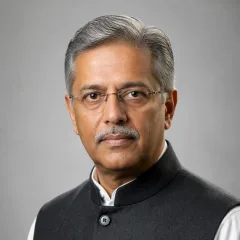
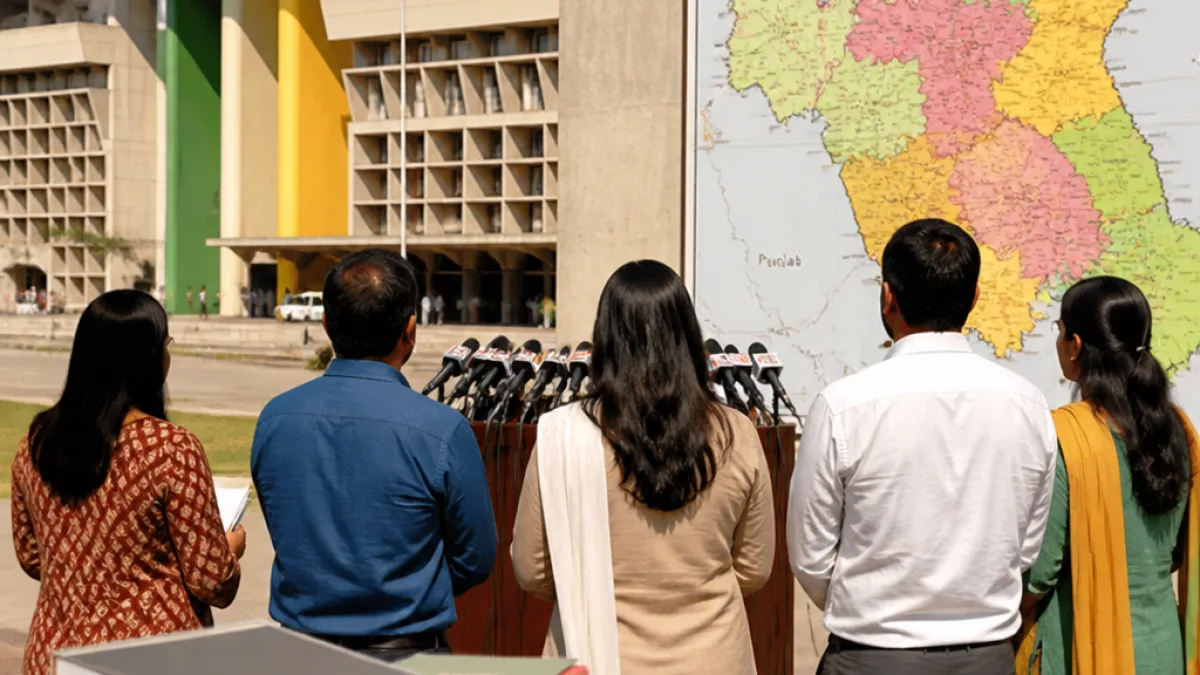
Chandigarh: Former chief minister and Leader of the Opposition Bhupinder Singh Hooda on Tuesday criticised Chief Minister Nayab Singh Saini for his frequent visits to neighbouring Punjab, saying Haryana needs a "full‑time chief minister", not a "part‑time" one. The veteran Congress leader also raised concerns about the state of the education system and alleged shortages across government departments.
Hooda links CM's absences to governance gaps
Addressing reporters in Chandigarh, Hooda said Chief Minister Saini’s repeated travel to Punjab in his capacity as a BJP worker and campaigner was affecting governance in Haryana. He asserted that the chief minister’s engagements outside the state had contributed to delays and shortcomings in the delivery of public services.
"Look, he goes there, but Haryana needs a full‑time Chief Minister, not a part‑time one. That is precisely why we are lagging," Hooda said.
Hooda added that the CM appeared more active in Punjab’s political affairs than in handling day‑to‑day administration in Haryana. He said he had previously pointed out in the Assembly that Saini "rushes off the moment he wakes up", and used the allegation to underscore what he described as a wider governance problem.
Education and staffing concerns
Expanding his criticism beyond the chief minister's movement, Hooda drew attention to the condition of schools in Haryana following recent rain and alleged systemic problems in the state's education sector. Citing a report from the Union Ministry, he said that 94,000 schools had closed across the country and used that figure to question adherence to standards and norms in the state.
He contended that several government departments in Haryana were understaffed, listing shortages that he said were visible across institutions: teachers in schools, doctors in hospitals, clerical staff in offices and constables in police stations.
- Allegation: Chief Minister's frequent trips to Punjab undermine state governance.
- Claim on education: The education sector in Haryana is in poor condition; UGC norms are not being followed.
- Staff shortages: Schools, hospitals, offices and police stations reportedly face lack of personnel.
Political context
Saini's visits to Punjab have been a recurring point of contention between parties. The source material notes that Punjab Chief Minister Bhagwant Mann and leaders of the Aam Aadmi Party have previously criticised Saini’s activities in that neighbouring state. Hooda framed his latest remarks within that broader political contest, saying the state required uninterrupted executive attention to address basic service delivery.
| Issue raised by Hooda | Details cited |
|---|---|
| Chief Minister's availability | Frequent visits to Punjab, described as 'part‑time' commitment |
| Education sector | Claim that UGC norms are not followed; reference to Union Ministry report on 94,000 school closures nationally |
| Administrative staffing | Alleged shortages of teachers, doctors, office staff and constables |
What Hooda says and what it implies
Hooda’s remarks combine attack lines on executive availability with substantive complaints about public services. By linking the chief minister’s external political engagements to alleged staffing and service deficiencies, the opposition leader seeks to place governance failings at the feet of the state leadership.
The comments are likely to sharpen political debate in the state assembly and among parties, particularly given Haryana’s proximity and political ties with Punjab. Opposition criticisms could prompt questions in the Assembly on both the nature of the CM’s out‑of‑state commitments and on steps being taken to remedy the staffing and education concerns cited.
Immediate fallout and next steps
The source material does not record any immediate response from Chief Minister Saini or his office to Hooda’s remarks on Tuesday. Hooda’s statements set the agenda for further scrutiny of the state government’s record on education, staffing and administrative continuity, and may be raised in forthcoming sittings of the Assembly.
As the matter develops, questions likely to be posed to the government will include timesheets or records of the chief minister’s official presence in the state, details of efforts to fill vacancies across departments, and an update on measures to ensure uninterrupted schooling and adherence to higher education norms.