CHANDIGARH: Haryana Health Minister Arti Singh Rao on Wednesday appealed to residents to consider and adopt AYUSH systems of medicine — including Ayurveda, Yoga and naturopathy, Unani, Siddha and homoeopathy — as part of broader efforts to prevent and manage chronic, lifestyle-related conditions.
"AYUSH healthcare systems play an important role in the management and prevention of chronic diseases," the minister said in a statement released here.
Outreach and camps
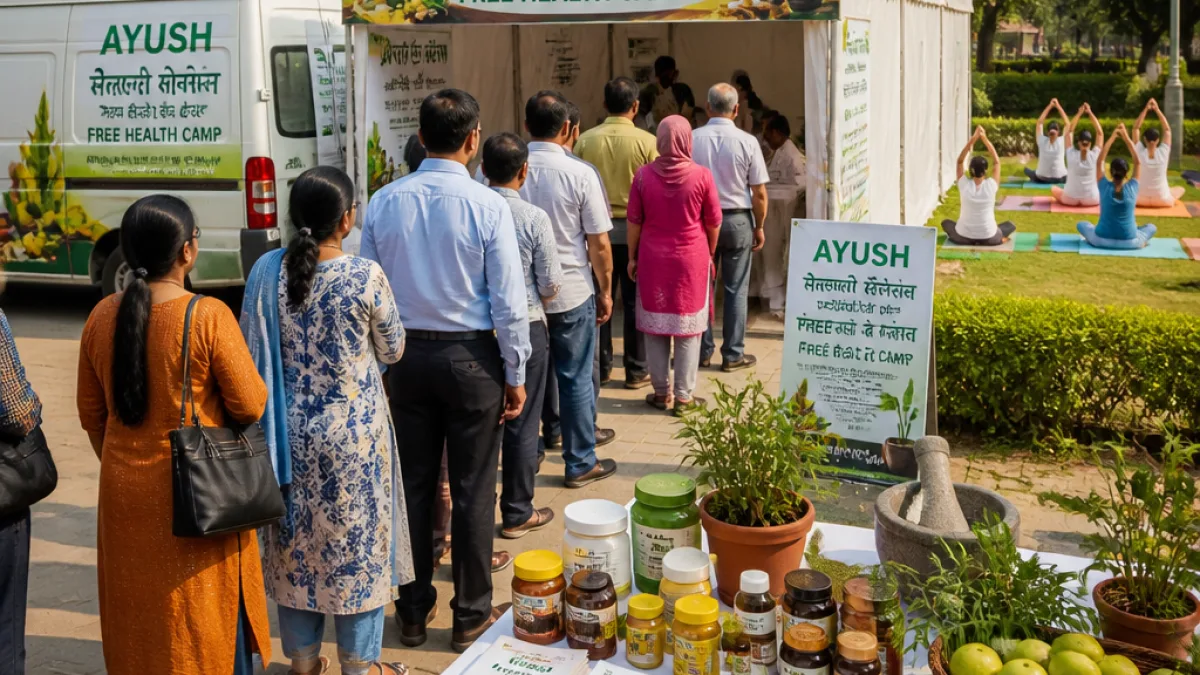
The health minister said interest in traditional medical systems has risen in India and abroad amid growing lifestyle diseases. Citing recent outreach initiatives, she said the state organised activities during Rashtriya Poshan Maah/Seva Pakhwada, when the AYUSH department conducted around 1,771 health camps across Haryana and provided free check-ups and medical consultation to more than 10,900 people.
Infrastructure: hospitals, primary centres and dispensaries
Rao outlined the government’s steps to strengthen AYUSH infrastructure in both major towns and the primary-care level, saying the state is “committed to providing better healthcare facilities, quality medical education and health awareness, particularly to people living in rural and remote areas.”
She listed the state-run AYUSH hospitals and primary facilities currently in operation:
- Ayurvedic hospitals: 100-bed hospital in Kurukshetra; 100-bed hospital in Narnaul; 25-bed hospital in Bhiwani; 10-bed hospital at Imlota village (Charkhi Dadri).
- Unani hospital: one facility at Sihol in Palwal.
- Homoeopathic hospital: one facility at Chandpura in Ambala.
- Ayurvedic Primary Health Centres: six functional centres (two in Kaithal; one each in Panipat, Rohtak, Sirsa and Jind).
- Panchakarma centres: six run by the state government (two each in Ambala and Panchkula; one each in Karnal and Jhajjar) and 21 centres operated under the National Health Mission.
- Dispensaries: the minister cited 515 Ayurvedic, 16 Unani and 24 homoeopathic dispensaries providing services across the state.
What this means for patients
Health officials say the expansion of AYUSH facilities aims to increase access to preventive and chronic-care options, especially in areas where allopathic services are limited. The mix of higher-capacity hospitals and primary-level centres is intended to offer a referral pathway for more complex cases while delivering routine consultations and therapies locally.
Services such as Panchakarma — a set of Ayurvedic detoxification and rehabilitation procedures — have been scaled up through both state-run centres and NHM-supported facilities to improve availability beyond urban centres.
Policy and implementation points
The minister’s statement emphasised several implementation priorities without providing a detailed time frame or budget allocation:
- Strengthening healthcare infrastructure and quality medical education in AYUSH disciplines.
- Expanding primary-level AYUSH services to improve rural coverage.
- Using awareness drives and large-scale campaigns to increase uptake of AYUSH approaches for lifestyle diseases.
Background and caveats
AYUSH systems encompass a range of traditional practices that are widely used in India. While many people report subjective benefits from such therapies, clinical evidence varies by intervention and condition. Officials did not provide details in the statement on outcome measures from the camps or follow-up care for those screened during outreach activities.
Rao’s remarks and the data released focus on infrastructure counts and outreach numbers; they do not include specific information on staffing levels, budgetary allocations, or integration protocols between AYUSH and allopathic services. These operational details will be relevant for assessing the long-term impact of the expansion and for monitoring quality and safety standards.
Next steps for residents
Residents seeking AYUSH services should check the locations listed by the state’s AYUSH department — particularly the named hospitals, primary centres and Panchakarma facilities — and confirm timings and available treatments before visiting. Those with chronic medical conditions are advised to consult qualified healthcare professionals and to inform their primary care providers about any complementary therapies they intend to use.
| Facility type | Number / location details |
|---|---|
| Ayurvedic hospitals | 100-bed Kurukshetra; 100-bed Narnaul; 25-bed Bhiwani; 10-bed Imlota (Charkhi Dadri) |
| Unani hospital | Sihol (Palwal) — 1 |
| Homoeopathic hospital | Chandpura (Ambala) — 1 |
| Ayurvedic PHCs | 6 (Kaithal x2; Panipat; Rohtak; Sirsa; Jind) |
| Panchakarma centres | 6 state-run (Ambala x2; Panchkula x2; Karnal; Jhajjar); 21 under NHM |
| Dispensaries | 515 Ayurvedic; 16 Unani; 24 Homoeopathic |
The minister’s statement positions AYUSH as a complementary strand of the state’s health system, particularly for prevention and long-term disease management. Further disclosures on outcomes, integration with allopathic services and resource commitments will be necessary to evaluate the programme’s effectiveness over time.