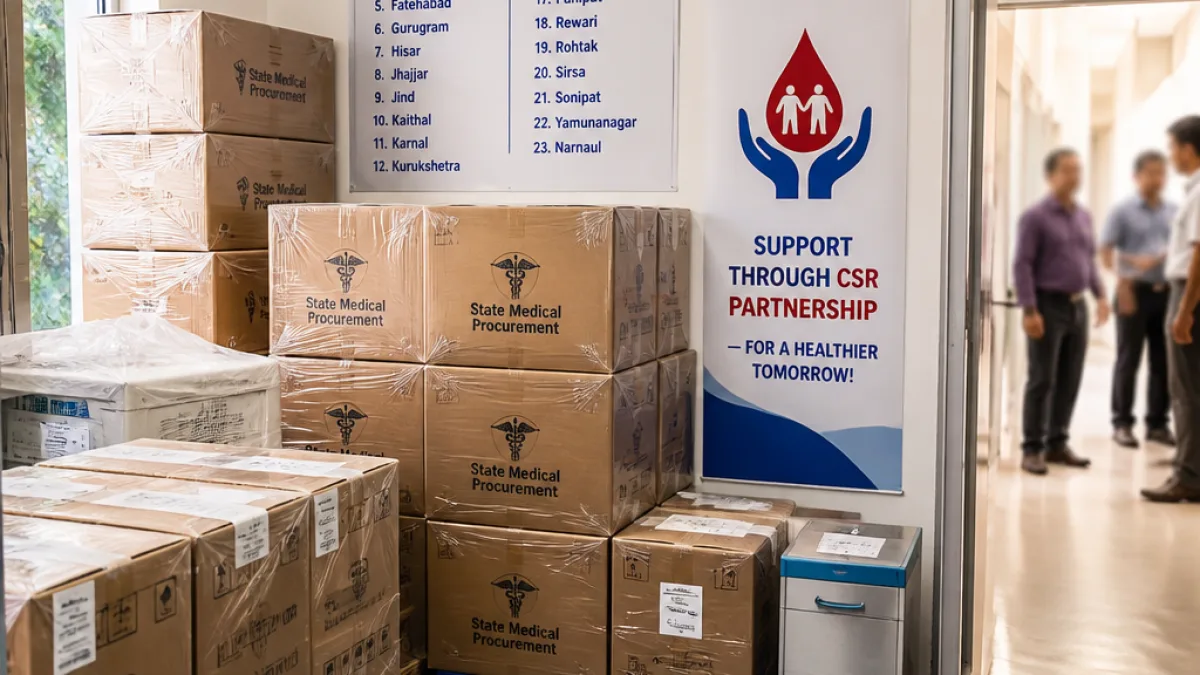
Chandigarh: The Haryana government has launched a state-wide drive to mobilise corporate social responsibility (CSR) contributions to equip 23 district civil hospitals with essential biomedical equipment and to support ongoing treatment for haemophilia patients, an official release said on Wednesday.
Targeted upgrades, pooled procurement
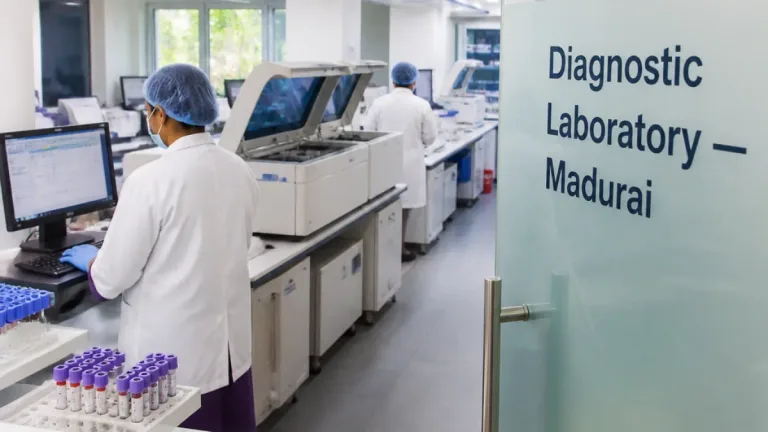
The Health and Family Welfare Department’s Additional Chief Secretary, Sumita Misra, has asked all deputy commissioners to actively engage banks, public sector undertakings, industries, corporate houses and business associations in their districts to seek CSR support. A district-wise assessment has identified the biomedical items required at the 23 hospitals, the statement said.
To ensure transparency and standardisation, CSR funds routed for purchasing equipment may be released directly to the Haryana Medical Services Corporation Limited (HMSCL), the state-designated procurement agency for medical equipment, medicines and allied services. The arrangement is intended to guarantee open procurement and adherence to quality standards.
Focus on haemophilia patients
The drive places particular emphasis on haemophilia, a hereditary bleeding disorder that requires regular and often costly treatment. The release said Haryana has nearly 1,000 registered haemophilia patients, with annual treatment expenditure estimated at around ₹50 crore, translating to about ₹4–5 lakh per patient per year.
"Timely and uninterrupted treatment is vital to prevent disability, complications and loss of productivity for haemophilia patients," Sumita Misra said.
Corporate contributors may either sponsor specific biomedical equipment identified by the government or provide direct financial aid for haemophilia care. The government has asked district administrations to develop lists of potential CSR partners and present the identified needs to facilitate targeted support.
Expected outcomes and local impact
Officials said the upgrades are expected to strengthen diagnostic and treatment capabilities at district hospitals, reduce referrals to tertiary centres and enhance overall patient care across the state. For haemophilia patients, consistent access to medicines and consumables could reduce the risk of long-term disability and associated social and economic costs.
- Number of district hospitals targeted: 23
- Registered haemophilia patients: ~1,000
- Estimated annual treatment cost (statewide): ₹50 crore
- Estimated average per-patient annual cost: ₹4–5 lakh
| Item | Figure |
|---|---|
| District hospitals to be equipped | 23 |
| Registered haemophilia patients | ~1,000 |
| Annual treatment cost (statewide) | ₹50 crore |
The release did not list the exact biomedical devices sought for each hospital. Deputy commissioners have been asked to coordinate local meetings with potential CSR contributors and to present the district-wise needs identified by the health department.
Process safeguards
By channelising CSR money through HMSCL for procurement, the government aims to avoid fragmented purchases and ensure that equipment meets required specifications and warranties. Officials said this institutional mechanism is intended to uphold procurement transparency and enable economies of scale in purchasing.
While the plan outlines options for both equipment sponsorship and patient-focused financial aid, how many corporate partners commit funds and the timeline for deliveries and installations will determine how quickly services improve at district-level facilities.
Health authorities stressed that uninterrupted access to haemophilia treatment is crucial not only for patient health but also for preventing loss of livelihood and reducing long-term care burdens on families and the public health system.