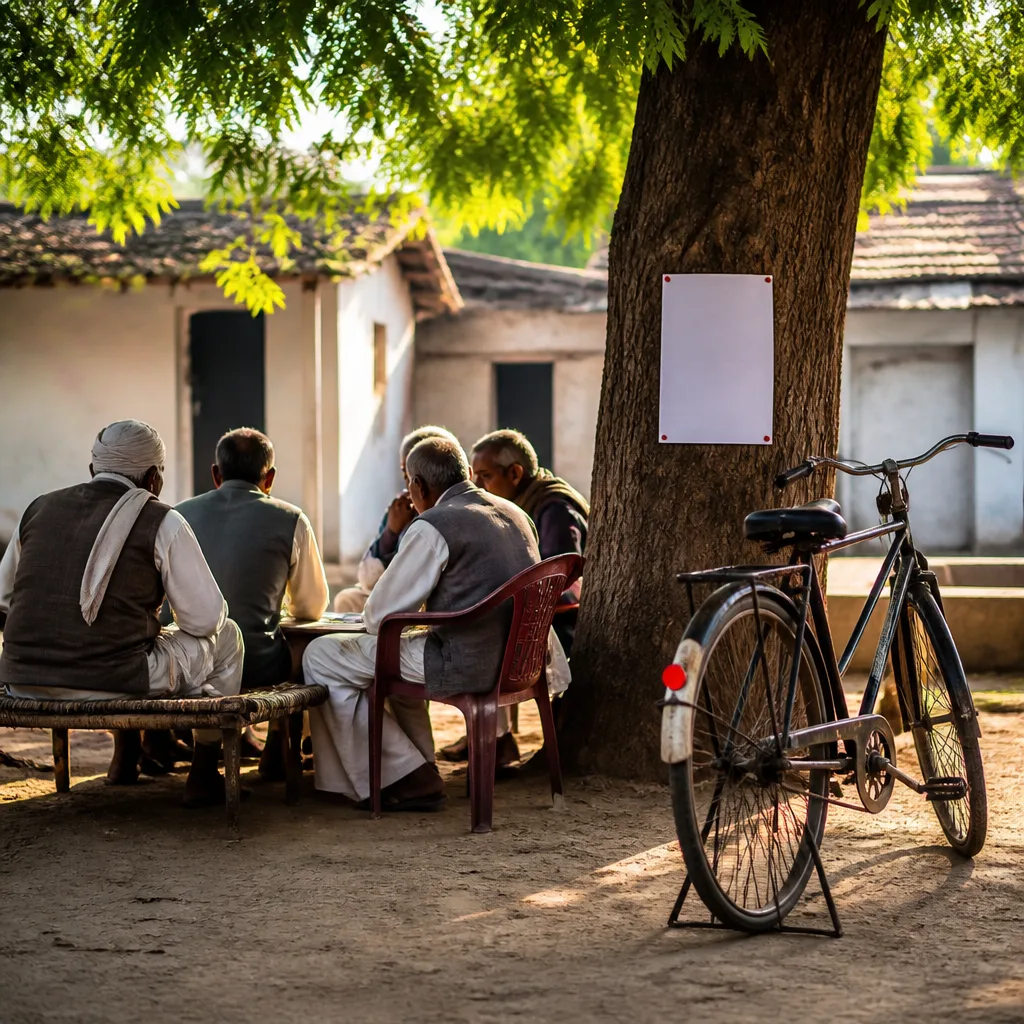
A social panchayat in Hisar, Haryana this week announced a ban on love marriages and said those who defy the diktat, along with their families, would face social boycott, according to reports. The decision, said to have been taken after several recent instances of young couples marrying, has revived debate over extra‑judicial village pronouncements and their intersection with criminal law and fundamental rights.
Constitutional safeguards and prior judgments
Multiple rulings of the Supreme Court have held such khap or panchayat pronouncements illegal, noting that they infringe upon Article 19 (freedom) and Article 21 (life and personal liberty) of the Constitution, the report said. Despite that jurisprudence, community bodies in parts of the country continue to issue directives that seek to control marriage choices, particularly of young women.
Incidents that fuelled the move
The Hisar pronouncement was reportedly prompted by a series of young men and women in the village falling in love and marrying without wider family sanction. The social panchayat’s rationale, as reported, was said to be the desire to "preserve the social fabric" of the village.
"We consider every girl in the village our own daughter."
The sentiment encapsulated in that statement was cited as reflecting a communal effort to regulate the conduct of women and girls under the guise of collective guardianship, the report said.
- In Jamui, Bihar, a Class X girl and a male friend returning from coaching were accosted by a group of men; the girl was allegedly groped, lifted and dragged and the boy was beaten, a video of the episode went viral and drew public outrage.
- In Delhi, a separate incident involved the gang‑rape of a 17‑year‑old girl in a park, the report said, occurring around the same period that the Haryana village issued its ban.
Pattern of policing women's choices
The report framed the ban and the related violent incidents as elements of a continuing pattern in which patriarchal social norms seek to punish women and girls who exercise choice, particularly in matters of romance or marriage. It noted that such community policing has, at times, escalated to severe violence and even murder when women defy traditional expectations.
Legal experts and courts have repeatedly underscored that informal decrees by khap or similar bodies carry no force of law and that any coercion, threats, boycott or violence arising from such diktats may attract criminal liability under existing penal laws. Nonetheless, enforcement gaps, local power dynamics and social pressure often leave individuals reluctant to approach formal agencies for redress, the report observed.
Broader implications
Observers say the Hisar case and the incidents in Jamui and Delhi illustrate the broader risk that social control mechanisms pose to civil liberties and personal safety. When community councils attempt to govern intimate choices, the practical result can be both an erosion of constitutional freedoms and heightened vulnerability to assault or retribution.
The report called attention to the need for sustained legal awareness, prompt police action in cases of intimidation or violence, and stronger social support for those who seek to marry by choice. It also reiterated the position of the Supreme Court that such community decrees are unlawful and cannot override individual rights protected by the Constitution.
As these episodes circulate on social media and spark public debate, they are likely to renew calls for proactive measures by administration and law enforcement to protect vulnerable individuals and to ensure that extra‑legal social sanctions do not translate into criminal acts.