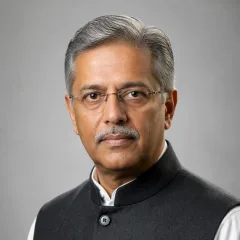
Panipat: Haryana BJP president Dr. Archana Gupta on Tuesday sought to douse a political row by saying her remark about a “special category” did not refer to any caste, community or social group but to alleged middlemen and brokers who, she claimed, operated in earlier administrations to influence government recruitment.
Clarification amid public backlash
The remark, made while criticising recruitment practices under previous governments, drew immediate public attention and sparked debate on social media and in political circles. Several youths and sportspersons, particularly from the Jat community, questioned the reference and sought clarification.
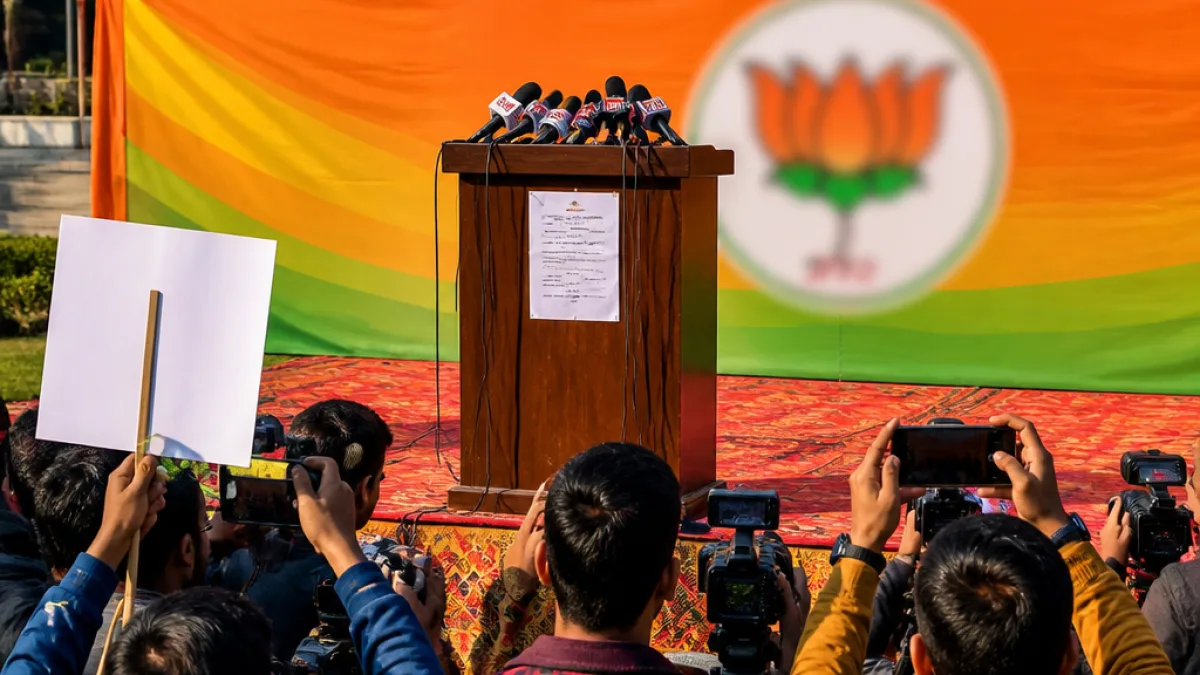
At a press conference in Panipat, Gupta said the term was intended to point to intermediaries who allegedly secured jobs for applicants in exchange for money and recommendations. She accused networks of brokers of existing during both the Hooda-led Congress government and the Indian National Lok Dal (INLD) government.
“I was referring to middlemen and brokers who used to influence the system and charge for jobs; the era of such brokers has ended,” Gupta said, adding that ‘their kurta-pyjamas are now hanging on the peg’.
Political reactions and stakes
The clarification did not end the controversy immediately. Political observers said the fallout was driven as much by the phrasing as by the allegation itself: in Haryana, government employment is a highly sensitive subject and references to preferential treatment or special groups often carry caste connotations.
Party sources, quoted in regional reports, said the BJP was keen to reframe the debate as one about corruption in recruitment processes rather than an attack on any social community. Opposition leaders and some sections of the public, however, continued to demand more specific naming or retraction.
Why the remark resonated
- Recruitment sensitivity: Government jobs in Haryana have long been politically sensitive, with perceptions of favouritism or irregularities provoking public unrest.
- Caste politics: Any ambiguous reference to a “special” group in the state can be interpreted along caste lines, amplifying reaction.
- Social media amplification: The comment circulated widely online, prompting questions from youth and sports communities who are active on digital platforms.
Gupta’s allegations and context
Gupta alleged that earlier administrations had allowed a network of intermediaries to function, facilitating appointments through recommendations and monetary exchange — a practice she summarised with the colloquial phrase parchi-kharchi (recommendations and bribery). She asserted that the present BJP-led administration conducts recruitment on merit.
Her statement included a claim that these intermediaries had been dismantled and that their influence had diminished under the current government. Beyond the press conference remarks recorded in regional reports, no formal evidence was cited at the event to substantiate the broader allegations about systemic broker networks.
What remains unconfirmed
Reports indicate that objections were raised both publicly and within political circles following the remark. However, there has been no formal complaint, legal notice or detailed counter-claim provided in the immediate aftermath that contradicts Gupta’s clarification. Independent inquiries or investigations into recruitment irregularities were not announced at the press briefing.
| Event | Reported detail |
|---|---|
| Original remark | Reference to a “special category” while criticising past recruitments |
| Public reaction | Questions and objections, notably from youth and sportsperson groups |
| Clarification | Gupta said she meant intermediaries/brokers, not caste or community |
Political implications
Observers said the incident underscores how carefully political leaders must phrase critiques around recruitment and reservation in Haryana. Even when a leader seeks to target corruption, ambiguous language can shift focus to sensitive identity issues and provoke wider debate.
For now, the BJP is presenting the clarification as an effort to expose corrupt intermediaries. Opposition parties and community representatives may continue to press for more explicit statements or evidence if the controversy escalates into formal demands or legal steps.
Any development, such as official inquiries into recruitment or further statements from party or community leaders, would determine whether the matter subsides or intensifies in the state political landscape.