Guntur surgeon says true burden of spine disease goes beyond hospital bills
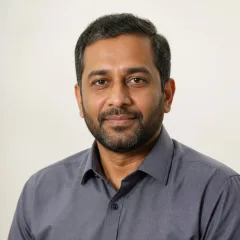
GUNTUR: Dr. Mohana Rao Patibandla, founder and chief neurosurgeon at Dr. Rao’s Hospital – International Institute of Neurosciences, urged clinicians and policymakers to account for the wider economic and social costs of spinal disease, arguing that current assessments often focus narrowly on immediate clinical outcomes and hospital charges.
Speaking after World Spine Day on October 16, Dr. Patibandla said many patients and families face additional and prolonged expenses that are not captured in routine measures of treatment cost. These include lost earnings during recovery, travel to and from specialised centres, ongoing rehabilitation, and the time family members spend as caregivers.
“The true cost of spine disease extends beyond hospital bills. We must measure recovery, lost income and patient independence—not just the operation.” — Dr. Mohana Rao Patibandla, Neurosurgeon & Founder, Dr. Rao’s Hospital
Dr. Patibandla described this broader view as a move towards more patient-centred evaluation of spine care. She said that while surgical and imaging technologies can improve clinical outcomes, the overall value of an intervention should be judged by its effect on a patient’s ability to resume work and daily life, and on the financial stability of the household.
Local facilities and technology
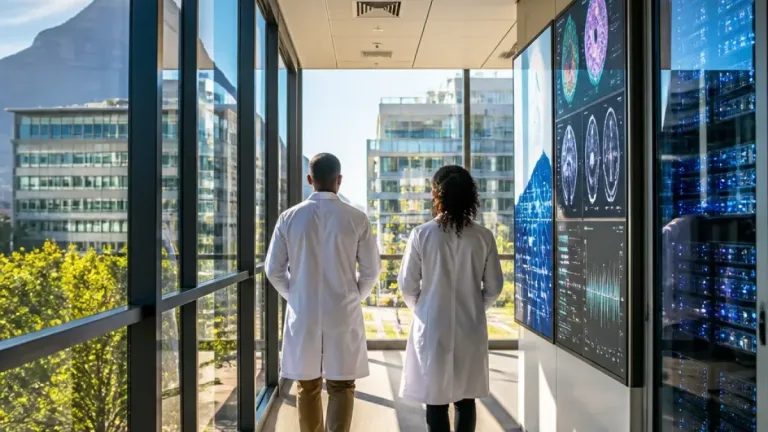
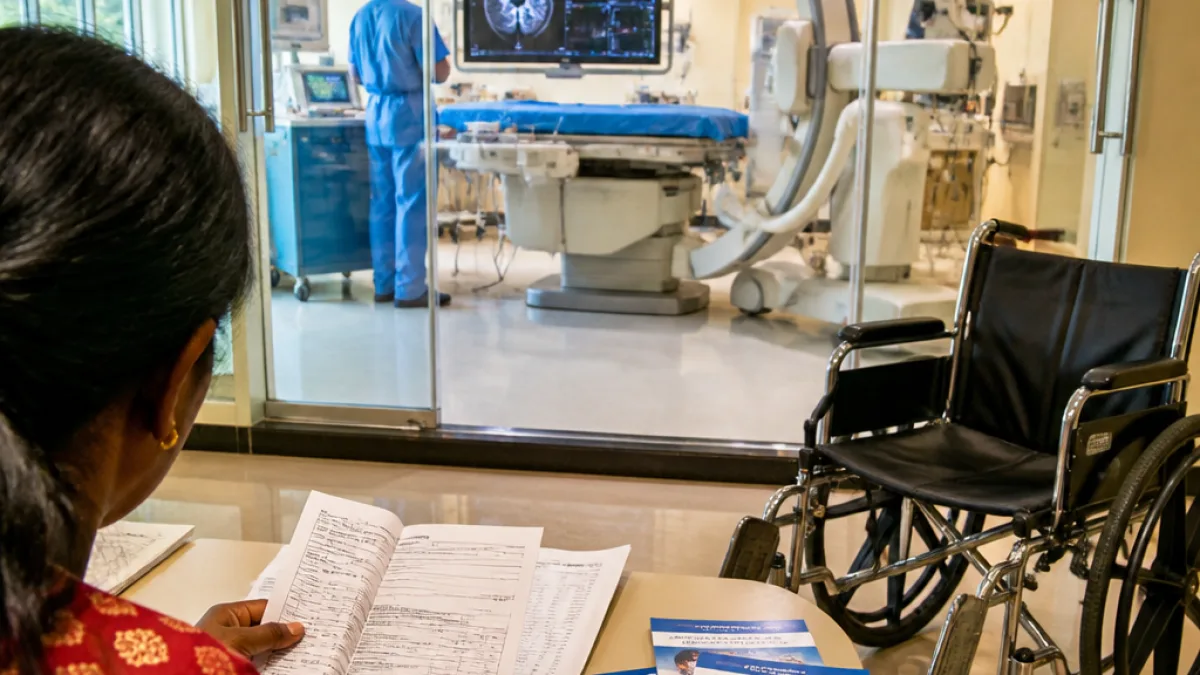
Dr. Rao’s Hospital in Guntur highlights a number of advanced systems that support complex neurovascular and spine procedures. The facility includes a high-technology neurosurgery operating room with advanced imaging and navigation, and an advanced biplane cath lab intended for precision neurovascular work. The hospital also uses intraoperative neurophysiological monitoring with the Medtronic NIM Eclipse system and image-guided navigation via the Medtronic StealthStation S8.
| Equipment | Purpose |
|---|---|
| Advanced biplane cath lab | Precision neurovascular procedures; minimally invasive surgeries |
| Medtronic NIM Eclipse | Intraoperative neurophysiological monitoring; real-time neural response waveforms |
| Medtronic StealthStation S8 | Image-guided planning and navigation for brain and spine surgery |
Hospital officials say these systems are intended to improve the precision and safety of surgeries. Dr. Patibandla noted that technological capability is only one part of patient care; without measuring functional recovery and socioeconomic impacts, clinicians and planners lack a full picture of treatment effectiveness.
What measuring the wider cost would involve
- Monitoring post-operative recovery time and functional independence, beyond standard clinical scales.
- Estimating lost income for patients unable to work during recovery, including informal sector earnings.
- Accounting for caregiver time and associated economic burden on families.
- Recording travel and rehabilitation costs incurred after discharge.
Dr. Patibandla framed these measures as necessary both for individual treatment decisions and for broader health-policy planning. She suggested that capturing such data would help clinicians compare the real-world benefits of different treatment approaches and could influence resource allocation for rehabilitation and community support services.
Experts and health planners often point to long-term outcomes such as return to work and independence as key indicators of the real impact of musculoskeletal and neurological disorders. In Guntur and across Andhra Pradesh, where many households rely on daily wages and informal employment, extended absence from work can produce significant financial strain.
By urging routine measurement of these dimensions, Dr. Patibandla emphasised a model of care that integrates clinical excellence with social and economic recovery—aiming to ensure that surgical success translates into restored livelihoods and reduced household hardship.
She made the appeal publicly in the wake of World Spine Day observances and described it as part of an ongoing effort to align neurosurgical practice in Guntur with broader measures of patient-centred value.