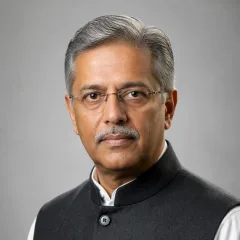
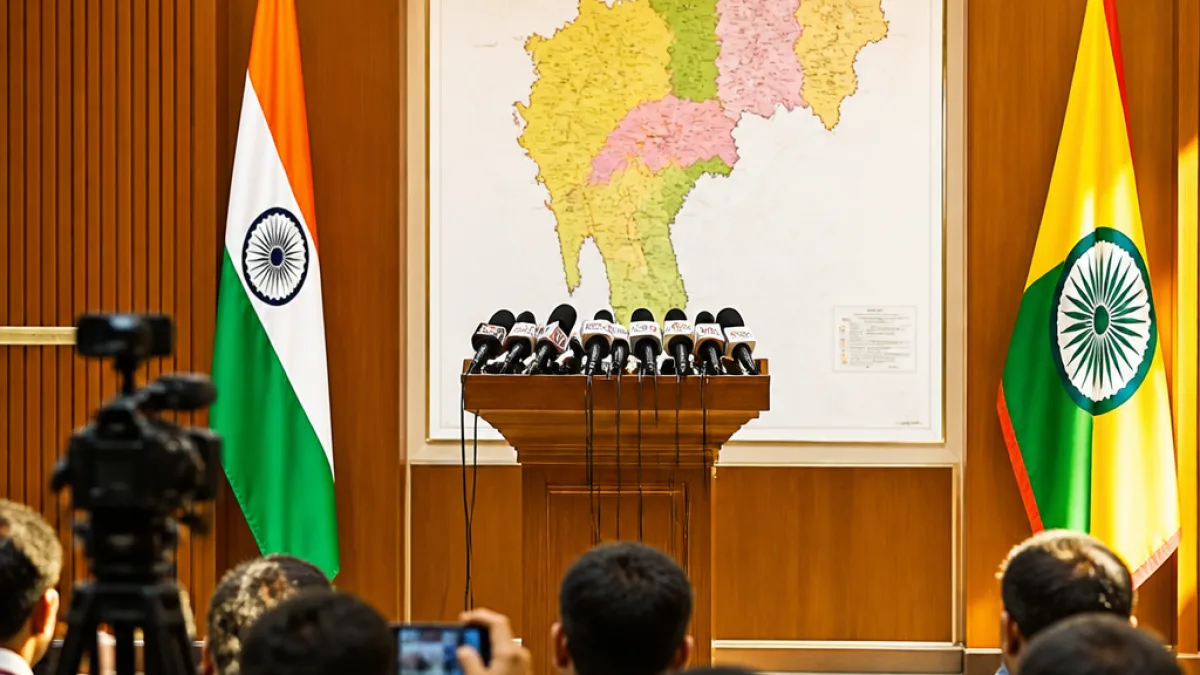
Agartala: Chief Minister Professor Dr Manik Saha on Sunday confirmed that talks between the Bharatiya Janata Party (BJP) and Tipra Motha over a possible electoral understanding for the forthcoming village committee elections are currently underway.
Alliance discussions continuing, final call after talks
Addressing reporters, Dr Saha described Tipra Motha as an ally of the BJP and said the party will take a final decision once the ongoing discussions conclude. He underlined that the BJP maintained a positive approach towards its partners and said the question of an understanding would be resolved through dialogue.
“We are alliance partners. Discussions are ongoing. At this moment, I will not say whether it will happen or not. The matter will become clear only after the discussions conclude,”
The Chief Minister qualified his remarks by pointing to the provisional nature of talks, noting that similar conversations had occurred ahead of earlier Autonomous District Council (ADC) polls but an alliance then did not materialise. His comments have revived political speculation in the state about seat-sharing and the configuration of local power ahead of the village committee elections.
Tipra Motha stance and conditions
Tipra Motha supremo Pradyot Kishore Debbarma has publicly set conditions for any formal partnership. In a live social media broadcast, he reportedly said he would not enter into an alliance unless the tripartite agreement is implemented. That stance places a substantive policy condition at the centre of negotiations, converting what might be routine seat-sharing talks into a negotiation over the fulfilment of prior commitments.
What each side says — a snapshot
| Party | Position reported |
|---|---|
| BJP | Describes Tipra Motha as an ally; says discussions are ongoing and a final decision will follow dialogue. |
| Tipra Motha | Leader Pradyot Kishore Debbarma reportedly insists no alliance unless the tripartite agreement is implemented. |
Political context and implications
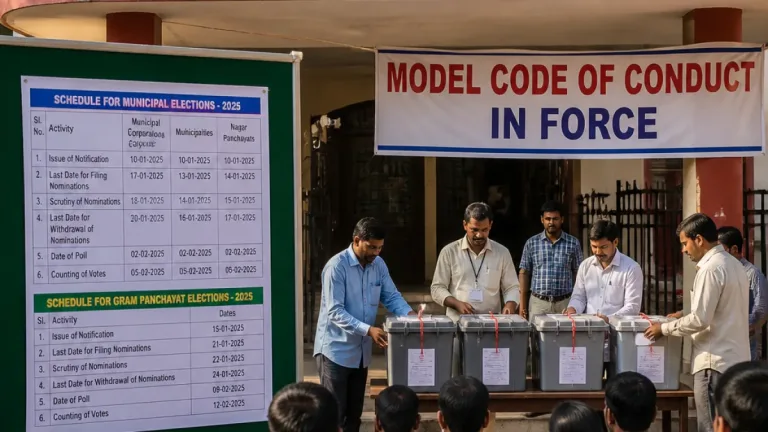
Village committee elections in Tripura determine governance at the grassroots level and can influence local administration, resource allocation and representation of tribal and non-tribal communities. An understanding between the BJP and Tipra Motha would have implications for candidate distribution in areas where Tipra Motha commands significant support among indigenous populations.
Dr Saha’s reminder that talks had taken place before the previous ADC elections — yet did not culminate in a formal tie-up — signals that negotiations can be protracted and contingent on resolving substantive demands. For the BJP, maintaining alliances or reaching fresh understandings could help consolidate support in rural clusters; for Tipra Motha, the condition on the tripartite agreement suggests leverage aimed at securing implementation of agreements touching tribal governance or autonomy.
Stakeholders watching closely
- State BJP leadership and local unit organisers, who will negotiate seat-sharing and campaign arrangements.
- Tipra Motha leadership and cadres, who may press for policy concessions tied to the tripartite agreement.
- Voters in village committee jurisdictions, where the outcome will determine local leadership and administration.
With both sides yet to announce a formal decision, political observers in Tripura said the developments will be followed closely by parties across the spectrum. The timeline for a final agreement was not specified by Dr Saha, and no seat-sharing formula or dates were disclosed in his remarks.
The reported statements from Tipra Motha’s leader link any prospective alliance to the status of the tripartite agreement, a factor that could prolong talks if the parties treat implementation as a precondition rather than a parallel commitment to be honoured post-alliance.
As discussions proceed, the immediate practical questions for voters and local activists are who will contest on which tickets and whether an alliance will alter the electoral arithmetic in village committee areas with mixed tribal and non-tribal populations. For now, party leaders have underlined dialogue as the vehicle to resolve the issue.