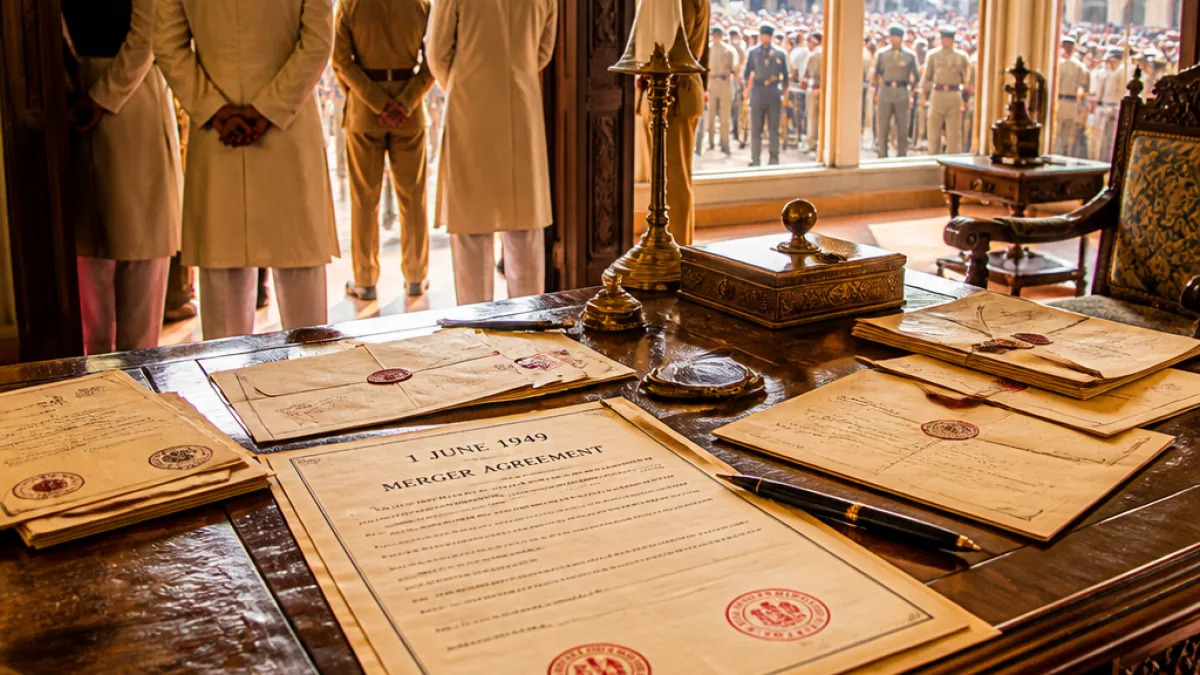
Historic takeover formalised after talks between Menon and Nawab
Bhopal formally came under the administration of the Government of India on 1 June 1949, following months of political pressure, agitation and high-level negotiation involving Sardar Vallabhbhai Patel’s office, according to a special archival series marking the local newspaper’s anniversary. The move followed direct intervention by V.P. Menon, then Secretary of the States Department, who met the Nawab and his ministers to secure a transfer of power.
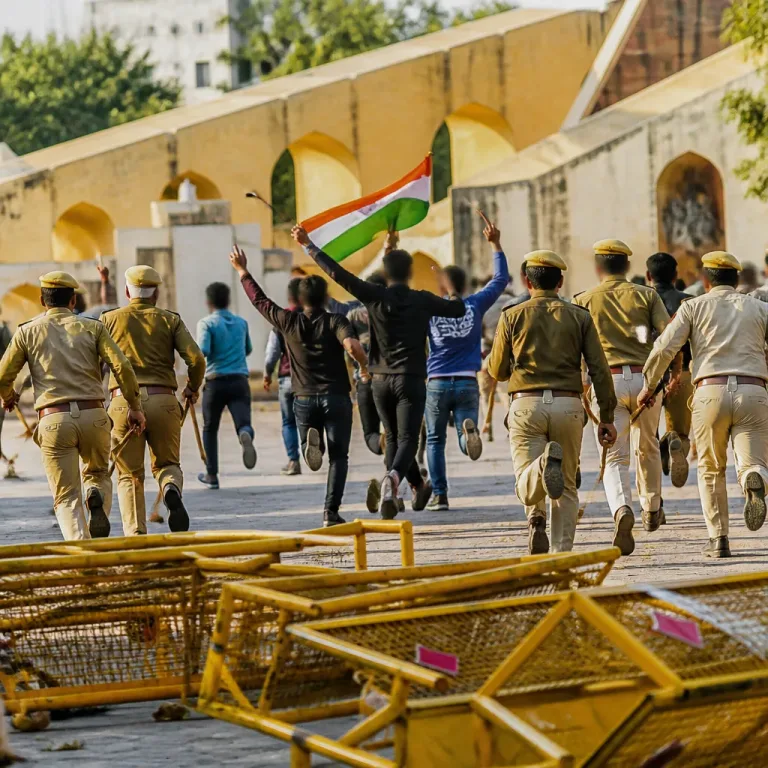
The account, published as part of an 11-day series, reconstructs the final phase in which the princely state's government agreed to merge with the Indian Union. The background to the talks included unrest in the region — referenced in the report as the Boras firing incident — which signalled to Delhi that a resolution could no longer be postponed.
"Sacchi Baat, Bedhadak."
Menon arrived in Bhopal on 24 January 1949 at the direction of Sardar Patel and held discussions for three consecutive days with Nawab Hamidullah Khan, his ministers and other stakeholders. Officials in the correspondence examined for the series recorded Menon’s assessment that, given Bhopal’s geographic location, culture and linguistic affinities, merger with Central India was the practical route to administrative integration.
- 24 January 1949: V.P. Menon dispatched to Bhopal by Sardar Patel for talks.
- 30 April 1949: Nawab Hamidullah Khan signed the merger agreement with the Indian government.
- 1 June 1949: Union government took over administration of Bhopal State.
The series notes that the Nawab initially resisted transfer of power but entered into a confidential arrangement after Menon assured certain concessions and allowed a six-month period for administrative preparedness. The Nawab is recorded as volunteering to transfer power, a step the negotiators linked to efforts to calm the agitation on the ground.
Personal and administrative matters discussed during negotiations
Documents cited in the feature show the talks did not confine themselves to political arrangements alone. At one point the Nawab raised a personal issue relating to jagirs, specifically wishing to reclaim an estate that his mother had earlier granted to his third daughter. Menon expressed initial reservations but, after consulting Sardar Patel, the matter was agreed upon as part of the settlement discussions.
The account situates Bhopal’s accession within the broader pattern of post-Independence state integration, emphasising practical considerations including contiguous administration with Central India. The narrative also underlines how local disturbances accelerated Delhi’s involvement and shaped the timeline that culminated in the April agreement and the June administrative takeover.
| Key date | Event |
|---|---|
| 24 Jan 1949 | V.P. Menon begins talks in Bhopal |
| 30 Apr 1949 | Nawab signs merger agreement |
| 1 Jun 1949 | Government of India takes over administration |
For Bhopal residents and scholars of local history, the archival recounting underscores how the state’s merger was shaped both by immediate law-and-order concerns and behind-the-scenes negotiation at the highest levels. The documents also illuminate lesser-known aspects of the settlement such as the jagir dispute and the six-month administrative window that was part of the confidential talks.
By detailing these episodes, the series contributes to public understanding of Bhopal’s transition from a princely state to part of the Indian Union and provides fresh archival material for residents interested in the political and social shifts that defined the city’s modern trajectory.