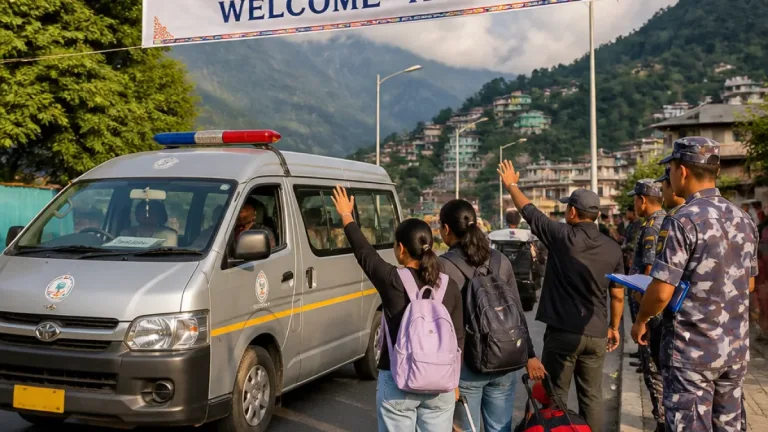
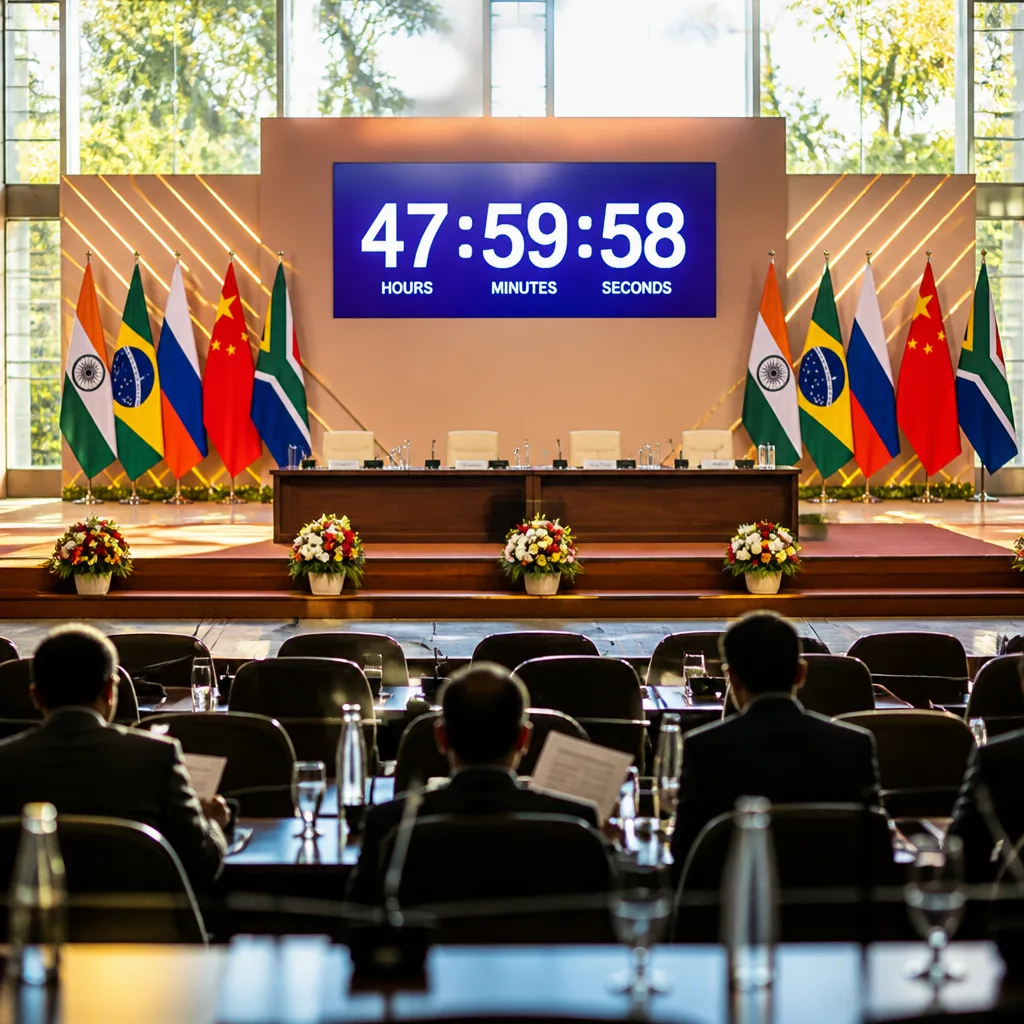
With less than two days remaining before the BRICS summit opens in New Delhi, China has yet to confirm whether President Xi Jinping will visit the Indian capital or hold talks with Prime Minister Narendra Modi. The uncertainty was underscored on Thursday when Beijing’s foreign ministry told news agencies it had no official information on Xi’s plans.
“We don't have any official information”
The prospect of Xi attending carries particular significance: it would be his first trip to India in seven years and could serve as a public demonstration of bilateral engagement even as both countries navigate strategic competition and global tensions. A decision either way will be watched closely in New Delhi and abroad for what it signals about Beijing–New Delhi relations and broader diplomatic positioning ahead of the summit.
Background and bilateral context
India and China share a long history that has included cooperation as well as confrontation. Relations notably deteriorated after the 2020 clash in the Galwan Valley that resulted in casualties on both sides and led New Delhi to impose several restrictions on Chinese economic activity within India. In subsequent years, however, there have been efforts to stabilise ties.
Prime Minister Modi visited China last year, and the two leaders briefly met this month at a regional forum in Kyrgyzstan — interactions New Delhi has described as part of a pragmatic engagement approach. Beijing has also indicated a preference for portraying the relationship as primarily cooperative: China’s foreign ministry said Xi and Modi regard each other as “partners, not competitors, and they represent opportunities, not threats, for each other's development,” according to a Reuters report.
Trade and investment dynamics
Economic links between the two countries remain substantial despite strategic frictions. Chinese customs data cited by international agencies show that bilateral trade reached a record level last year and continued to expand in the current year.
| Year | Bilateral trade (approx.) | Change |
|---|---|---|
| Ten years earlier | $71.6 billion | |
| Last year | $155 billion | 12.4% rise (year-on-year) |
| First seven months of current year | — | 23% jump over same period last year |
While trade has grown, New Delhi has taken a selective approach towards Chinese investment in sensitive sectors since 2020. Sources cited by Reuters said Beijing is also applying greater scrutiny to proposed Chinese investments into India, particularly where high-end technology or sophisticated manufacturing capabilities are involved. India, for its part, has relaxed some restrictions and is considering faster approvals for joint ventures in specific areas such as electronics, capital goods and solar cells.
What Xi's presence would mean
- Diplomatic signal: A visit by Xi would present a public image of rapprochement at a multilateral forum where major global powers interact.
- Economic implications: Face-to-face meetings could advance discussions on trade, investment and industrial cooperation already under consideration by both sides.
- Geopolitical optics: Attendance would allow China and India to demonstrate their ability to manage differences even as other international actors recalibrate regional strategies amid conflicts elsewhere.
As of now, Beijing has offered no confirmation. New Delhi and international observers will use any final decision to assess the tone of engagement at the summit and the direction of India–China relations in the months ahead.
Reporting from New Delhi and international wire dispatches contributed to this article.