Yemen's Iran-backed Houthi rebels launched coordinated drone and missile strikes on Tuesday across four southern Saudi Arabian cities, injuring 73 people and setting fire to installations belonging to state oil firm Aramco, officials and media reports said, signalling a sharp escalation in the wider Middle East conflict.
Attacks, casualties and targets
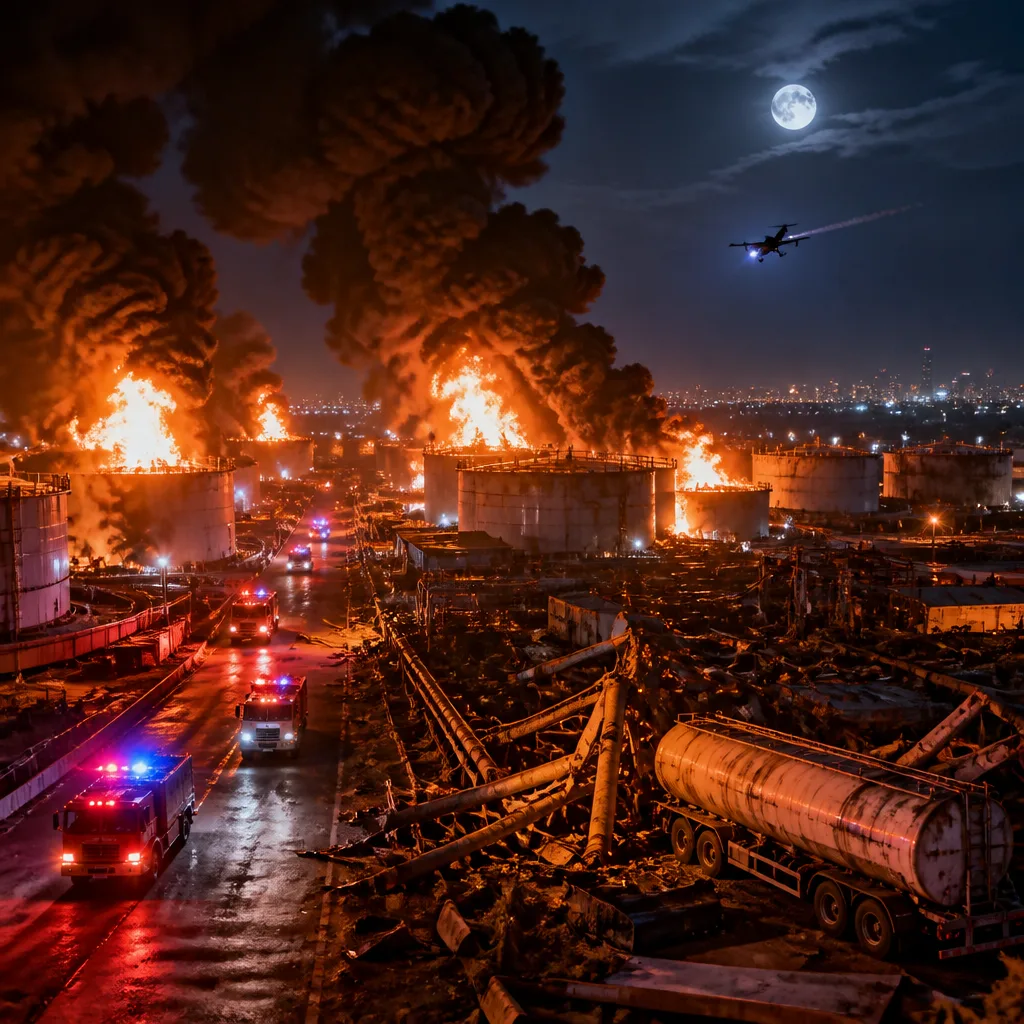
Saudi authorities reported fires at industrial and energy sites in Khamis Mushait, Abha, Najran and Jazan. The strikes included an assault on a Saudi airbase in Khamis Mushait and damage to facilities linked to Aramco in the other cities, according to reporting by CBC and Associated Press imagery cited by international outlets.
"[The Houthis] launched a broad operation deep into Saudi territory."
The Houthi movement, which controls much of Yemen's populated areas including the capital, released images it said showed strikes on trucks and explosions at border areas. Saudi statements said those wounded included women and children; authorities gave the tally of those hurt as 73.
Weaponry and scale
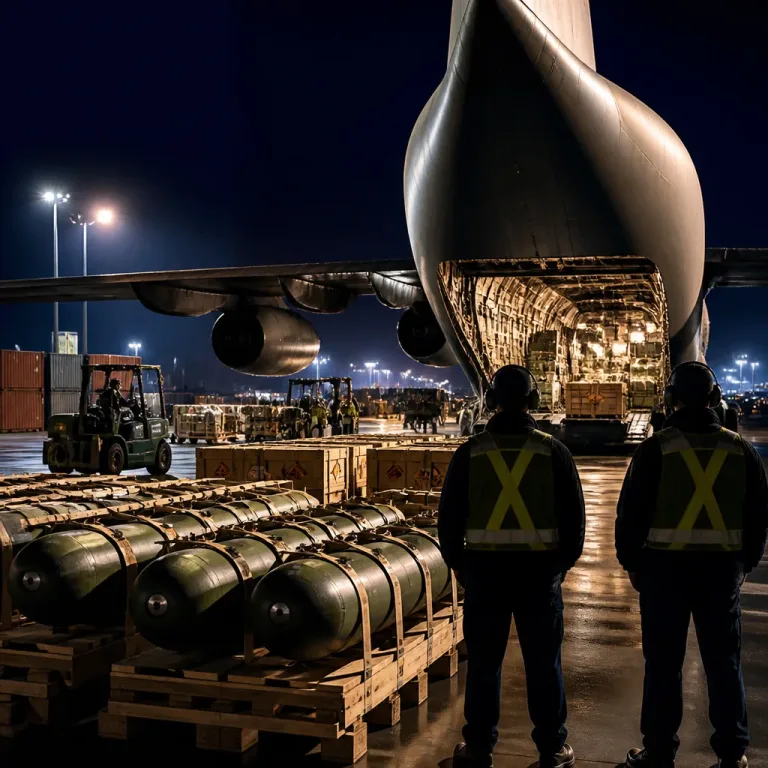
Reports indicate the rebels used a combination of drones and missiles to strike the targets. Though independent confirmation of all claimed impacts and the extent of damage was limited at the time of reporting, Saudi officials described significant blazes at the hit sites.
- Number wounded: 73 (including women and children), according to Saudi statements.
- Cities struck: Khamis Mushait, Abha, Najran, Jazan.
- Primary targets: Saudi airbase in Khamis Mushait; Aramco facilities in Abha, Najran and Jazan.
Regional implications and energy risk
The strikes risk widening an already volatile regional confrontation. International monitors and analysts warn that attacks on Saudi energy infrastructure could disrupt oil flows and raise global market volatility. CBC and other outlets noted the strikes may be among the largest against Saudi territory since February, when the United States and Israel opened what those reports described as direct operations against Iran.
Shipping lanes and energy supply security are of particular concern to India, which imports a large share of its crude oil from the Gulf. Any sustained disruption to Saudi Arabian oil production or transportation routes through the southern Red Sea and the Strait of Hormuz would likely have immediate price and supply repercussions for global markets and Delhi's energy procurement strategy.
Context: the Houthis and the broader conflict
The Houthi movement, aligned with Iran, has repeatedly targeted Saudi territory in recent years, but the scale and apparent coordination of Tuesday's strikes indicate an intensification of their campaign. The group says its operations respond to wider hostilities involving Iran and its adversaries, while Riyadh and its partners have framed the strikes as attempts to destabilise the kingdom and threaten critical infrastructure.
| Aspect | Details |
|---|---|
| Reported wounded | 73 (including women and children) |
| Primary weapons | Drones and missiles |
| Main targets | Saudi airbase; Aramco facilities in multiple cities |
At the time of publication, independent verification of all claims by the Houthis and damage assessments remained incomplete. Confirmed imagery of the aftermath had not been widely released, and international responses were developing.
The incident underscores persistent vulnerabilities in Gulf security amidst the broader regional confrontation. For India, which maintains diplomatic and energy ties across the Gulf and has a significant diaspora in the region, the prospect of escalating hostilities adds another layer of strategic and economic concern.
Further updates are expected as Saudi authorities and international observers release more information and as markets respond to the developments.