WASHINGTON: President Donald Trump has been projecting an upbeat view of the United States economy, calling it a "golden age of America", even as economic indicators point to growing strain for many households. Vice-President J.D. Vance has adopted a more conciliatory tone, acknowledging voter concerns — particularly over fuel costs — and saying authorities are addressing the problems, according to reporting.
Two tones from the same administration
The divergent messaging was evident in recent appearances. In Nebraska, the President complained that critics had accused him of being insensitive to affordability concerns, saying it was the first time he had heard the term used, according to the report. Meanwhile, Mr Vance told a Texas audience that "there are people out there who are frustrated by the pace of progress," and at a CBS News town hall acknowledged that "I recognize that gas prices are too high right now" and added, "we're working on it."
"the golden age of America is upon us."
Analysts and voters appear to be receiving mixed signals: one strand emphasises victory and prosperity, while another seeks to show responsiveness to immediate economic pain. The disconnect arrives amid fresh data showing strains in multiple areas of the economy.
Economic indicators showing strain
Recent economic releases cited in the report point to a slide in consumer confidence and higher borrowing costs. Specifically:
- Americans' confidence in the economy fell to its lowest level in more than a decade this month.
- The average long-term US mortgage rate rose to its highest level in nearly three years.
- The unemployment rate tick[ed] up last month.
- Higher gasoline prices have intensified inflationary pressure, with expensive oil and gas feeding through to prices in other parts of the economy.
| Indicator | Recent movement (as reported) |
|---|---|
| Consumer confidence | Fell to lowest in over a decade |
| Mortgage rates | Highest in nearly three years |
| Unemployment | Ticked up |
Voter reactions and political balance
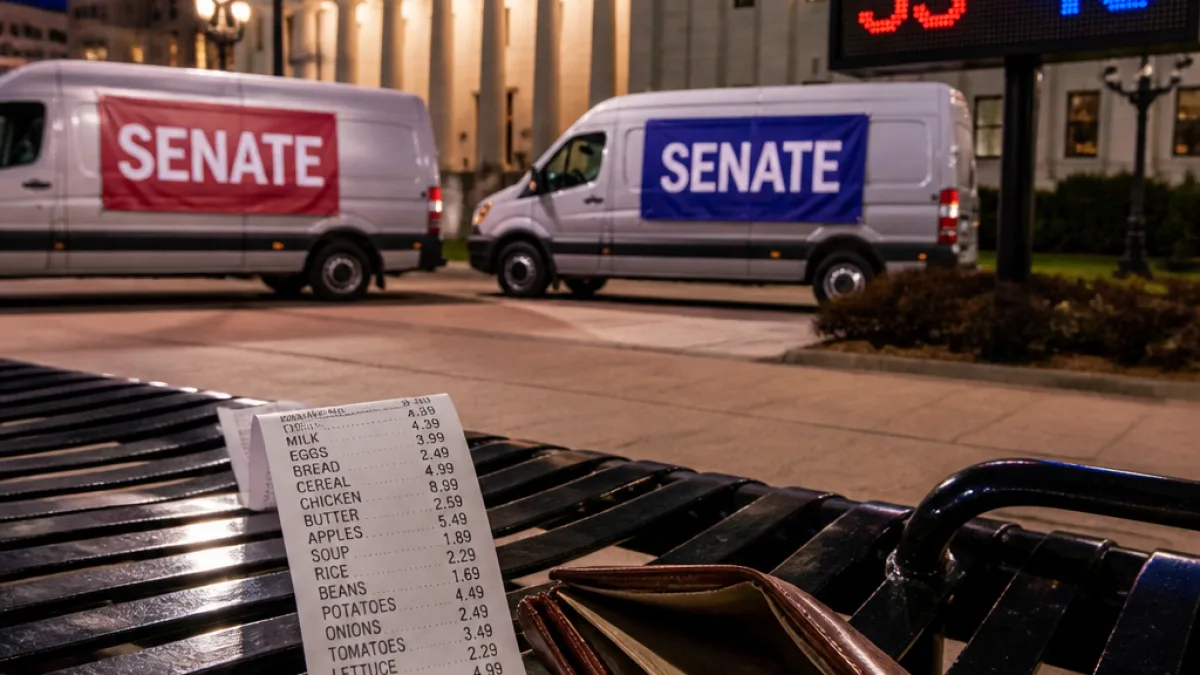
While many of President Trump's supporters continue to back him, some privately acknowledge the administration's upbeat rhetoric may not align with their daily experience. The report cites a 76-year-old retiree, Conda Little, who said the President "talks it up" and found Vice-President Vance "more real." She described the impact of geopolitical developments on prices, saying, "Everybody's real upset about the gas" and "groceries are out of sight," adding, "It's hard. It's really hard."
The administration faces the challenge of persuading voters that headline claims of a booming economy correspond to household finances. The President's confident salesmanship is aimed at bolstering public optimism and support for the broader agenda, while the Vice-President appears to be attempting damage control by directly acknowledging pains and promising remedial action.
Implications for global markets and India
For India and other economies, US monetary and energy developments matter. Rising US mortgage rates reflect global interest-rate dynamics that can influence capital flows. Higher oil and gas prices, which are cited as contributing to renewed inflation in the US, also affect import bills for energy-importing countries like India. Political messaging that downplays economic strains while another part of the administration concedes problems may create uncertainty among investors and consumers alike.
The contrasting rhetoric is likely to continue as economic data arrive in the coming weeks. Policymakers will be watched for concrete measures to tackle fuel costs and inflationary pressures, while voters will judge whether political optimism translates into tangible relief at the pump and in the grocery basket.
Reporting for this dispatch incorporated the referenced news report.