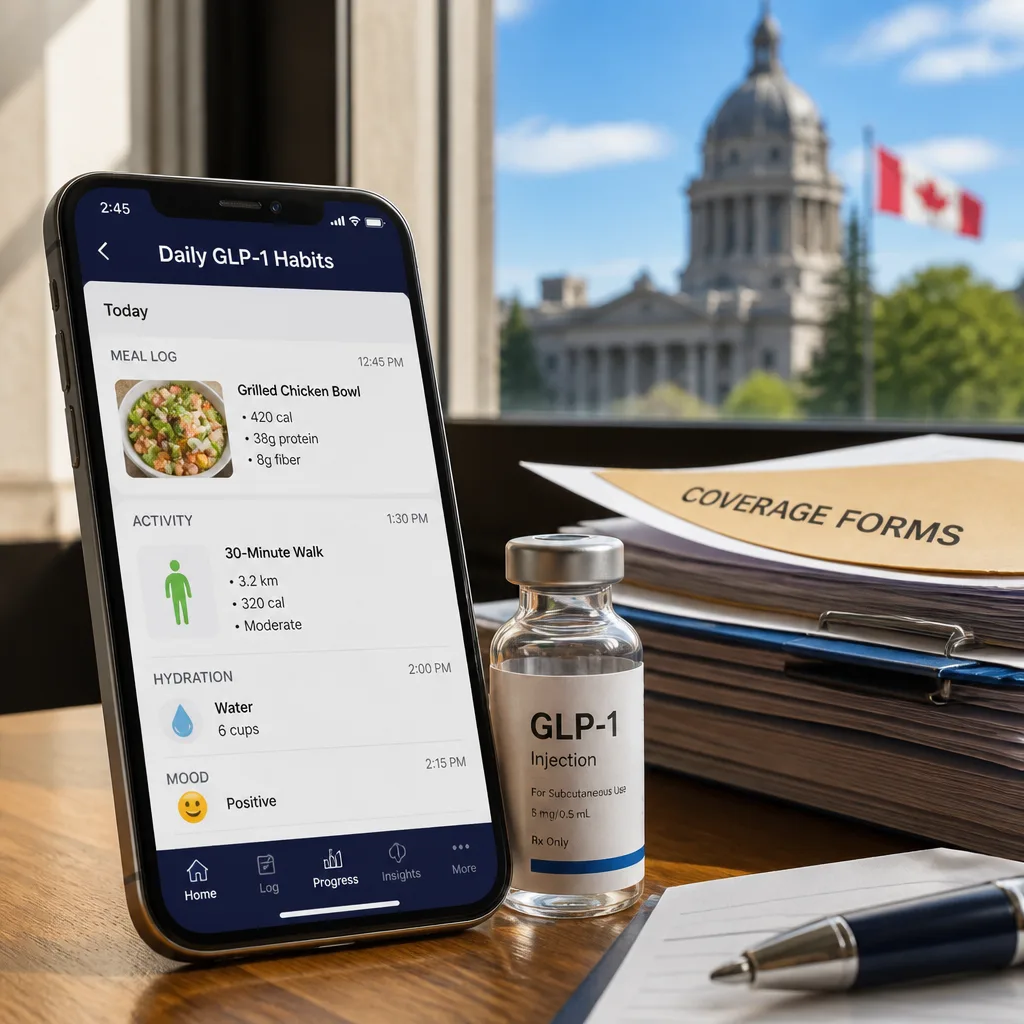
U.S. federal programmes that broaden access to GLP-1 medications are arriving alongside consumer tools designed to help patients meet insurer requirements for documented lifestyle support.
What has changed at the policy level
On July 1, 2026, the U.S. Centres for Medicare & Medicaid Services (CMS) began the Medicare GLP-1 Bridge, opening certain GLP-1 drugs to eligible Medicare Part D beneficiaries. In parallel, CMS’s BALANCE model — Better Approaches to Lifestyle, Nutrition for Comprehensive health — pairs access to GLP-1 medications with lifestyle interventions for some Medicaid populations.
Those developments follow the World Health Organization’s first global guideline on GLP-1 therapies, published in December 2025, which recommended combining medication with diet, physical activity and structured behavioural support. As a result, an expanding number of health plans and pharmacy benefit managers now expect or require patients to participate in and document lifestyle or behaviour-change programmes to qualify for coverage of GLP-1s.
New app feature aims to help users meet documentation needs
Menu-Order AI, a consumer-facing app originally built to simplify restaurant meal choices, has introduced Daily GLP-1 Habits, a feature developed with founding medical adviser Dr. Leigh-Anne Dale. The tool extends the app’s scope from single-order suggestions into day-to-day tracking of nutrition, movement and routine habits.
The feature allows users to scan restaurant menus and receive three personalised meal suggestions aligned with common GLP-1 goals — for example, higher-protein or lower-carbohydrate options — then log meals and macros throughout the day. On iOS devices, the app can integrate with Apple Health to import step data for movement tracking.
Why documentation matters
Insurers and benefit managers frequently deny coverage when they find insufficient evidence that a patient has previously tried or is simultaneously engaging in lifestyle interventions. Tools such as Daily GLP-1 Habits aim to create a timestamped record of nutrition and behaviour change that can be shared with clinicians and payers, potentially smoothing approvals or meeting ongoing programme requirements.
- WHO guideline: December 2025 — recommended pairing GLP-1 medication with lifestyle support.
- Medicare GLP-1 Bridge: July 1, 2026 — expanded Part D access for eligible beneficiaries.
- Menu-Order AI launch: September 2026 — Daily GLP-1 Habits feature announced.
The app’s functionality emphasises day-to-day habits: logging food choices, tracking macronutrients, monitoring steps and documenting mindful behaviours. For patients required to show participation in a structured programme, these logs may serve as part of that evidence.
Practical considerations for Canadians following U.S. developments
Although the CMS moves apply to U.S. federal programmes, the broader trend is pertinent to Canadian readers. Health systems, insurers and provincial drug plans worldwide are watching how payers balance medication access with demands for behavioural supports. Meanwhile, consumer health apps that help record lifestyle change are rapidly evolving.
For Canadians considering GLP-1 therapies or helping loved ones navigate access, a few practical steps can make documentation easier and more useful:
- Keep consistent meal and activity logs. Whether you use an app or a paper journal, regular entries create an auditable record of efforts.
- Share logs with your clinician. Ask the prescriber which elements matter most to insurers — for example, step counts, weekly calorie patterns, or participation in a structured programme.
- Confirm privacy and data-sharing policies before using an app to document health activities, especially if records may be submitted to insurers or clinics.
The Menu-Order AI update represents one example of how digital tools are responding to shifting payer requirements. As plans increasingly link drug access to lifestyle programmes, the capacity to show participation and progress will be an important part of conversations between patients, clinicians and insurers.
| Date | Event |
|---|---|
| Dec 2025 | WHO issues first global guideline recommending medication + behavioural support |
| 1 Jul 2026 | CMS begins Medicare GLP-1 Bridge |
| Sep 2026 | Menu-Order AI announces Daily GLP-1 Habits feature |
For readers, the takeaway is straightforward: as policy shifts widen drug access, the burden of documenting lifestyle change is increasing — and new digital tools are emerging to help meet that need. Whether those tools are accepted by payers will depend on plan rules and the way clinicians integrate app data into care plans.