
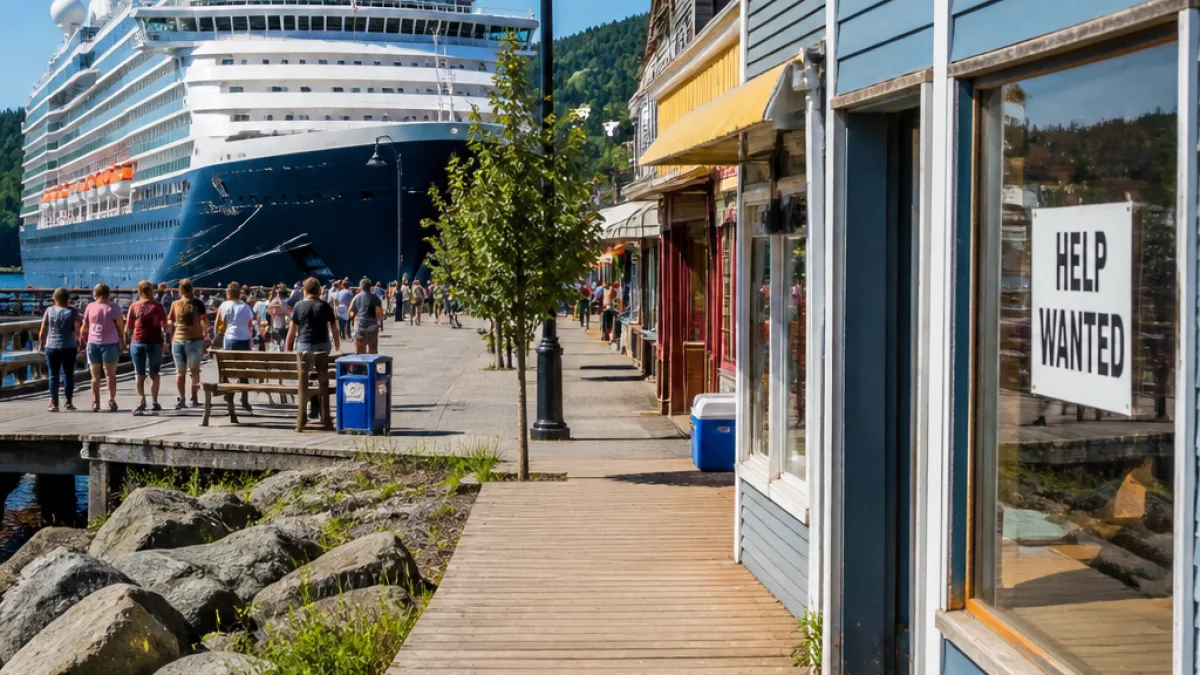
Newfoundland and Labrador is in the odd position of celebrating record tourism numbers while the sector still reports one of the highest unemployment rates in the country. The contradiction — heavy visitor traffic alongside roughly 15 per cent unemployment in tourism roles — points to a deeper tension between the province’s seasonal economy and Canada’s immigration systems.
Seasonal demand, long‑term policy
Tourism here tends to run on a compressed calendar, with most visitor activity concentrated between May and September. That seasonality makes it difficult for employers to access provincial nominee programs that favour full‑time, permanent hires. As a result, many businesses increasingly rely on temporary foreign workers to staff lodges, restaurants and parks during the busiest months.
Provincial officials and local leaders say the strategy has kept doors open in some places, but it also exposes communities to risks if temporary arrangements falter. The province logged its busiest provincial parks booking day ever this spring, with reservations up 19 per cent over last year. Meanwhile, Newfoundland and Labrador is on pace for another record cruise season after welcoming more than 100,000 cruise passengers in 2025.
| Metric | Figure |
|---|---|
| Tourism unemployment | ~15% |
| Provincial parks reservations (year over year) | +19% |
| Cruise passengers (2025) | >100,000 |
Communities feeling the strain — and the relief
Rural tourism hubs are at the centre of the dilemma. Many of the towns that depend on summer trade are also facing long-term population decline: deaths now outnumber births in the province and official figures showed a slight population dip in the first quarter of 2026. That demographic squeeze raises the stakes for whether immigration — either temporary or permanent — can keep small communities viable through their brief but intense operating seasons.
In some places the influx of newcomers has delivered visible benefits. In Placentia, on the Avalon Peninsula, Mayor Jamie Neville said the local workforce strategy is having the intended effect.
“Thanks in large part to an influx of foreign workers and newcomers to the area, businesses have been able to maintain staffing levels and remain open throughout the tourism season,”
He added that the town has not seen widespread closures or reduced hours, and that newcomers have given positive feedback about the area’s culture, employment opportunities and quality of life.
Temporary fixes, structural questions
Relying on temporary foreign workers helps businesses bridge shortfalls during the summer, but it also creates seasonal labour churn and can limit longer-term community growth. Provincial nominee programs, designed to attract permanent workers, are a less-than-perfect fit for jobs that last only a few months each year.
Policy-makers face a difficult balancing act: use temporary programs to meet immediate needs without undermining efforts to attract permanent residents who can offset demographic decline. For many tourism operators, the practical choice is simple — hire the workers they can get for the season and keep their businesses operating.
- Operators need flexible access to staff for brief high-demand windows.
- Provincial nominee programmes favour full‑time, year‑round hires.
- Demographics — more deaths than births and a slight population decline — increase reliance on immigration.
What this means for travellers and locals
For visitors, the immediate outlook is positive: parks are busy, cruise calls are returning, and many businesses are open through the season. For residents, however, the picture is mixed. Short-term employment might be plentiful, but stable, year‑round job opportunities remain scarce in many parts of the province.
That uncertainty can affect services and hours in small towns, and it makes planning difficult for businesses considering expansion. It also raises questions about community cohesion when a large share of the workforce is temporary and may not settle long term.
At stake: rural viability
The tourism boom shows Newfoundland and Labrador can attract visitors in volume. Whether the province can translate that success into lasting economic and demographic stability depends on policy choices around immigration, labour flexibility and regional development. For towns from the Avalon to coastal outports, the coming seasons will test how well temporary measures can be turned into sustainable community benefits.
As the summer crowds come and go, the province is left grappling with an immigration conundrum: how to staff a season and grow a year.