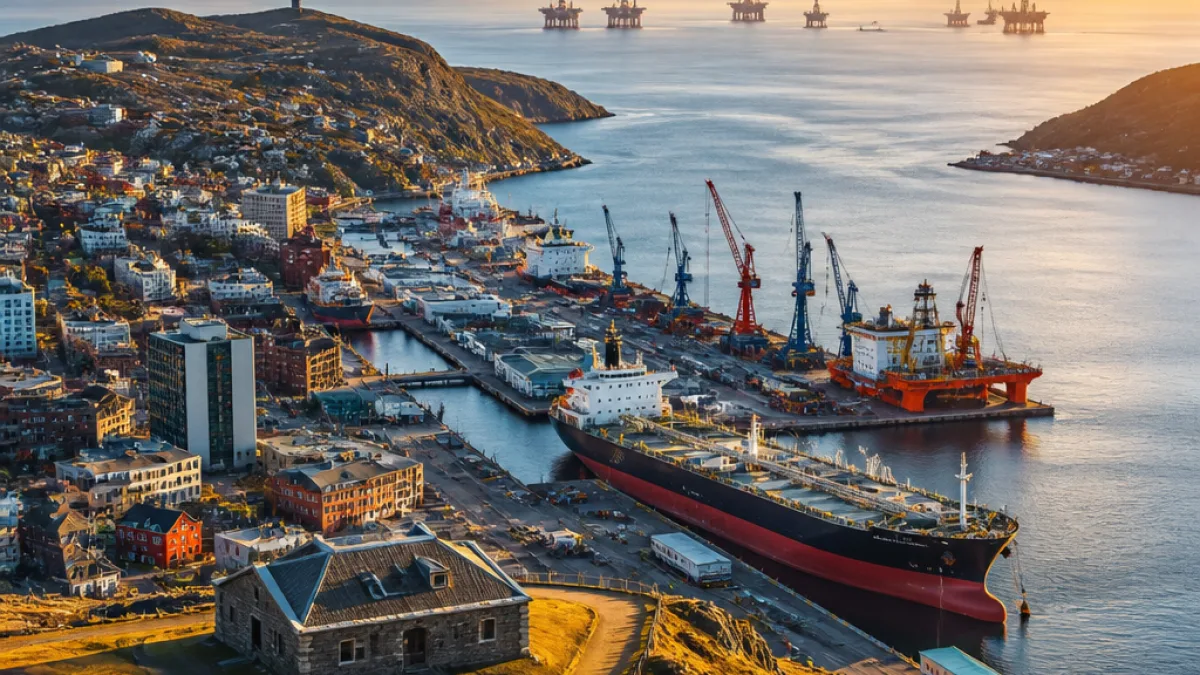
St. John’s — Newfoundland and Labrador is poised to finish 2026 as Canada’s fastest-growing province, according to a fresh forecast from Signal49 Research, the think tank formerly known as the Conference Board of Canada. The report projects the province’s economy will expand by 3.7 per cent, powered largely by rising crude prices and activity linked to offshore oil projects.
From ‘have-not’ to front-runner
The projection marks a striking reversal for a province long labelled a Canadian “have-not” — a description tied to lower fiscal capacity and reliance on equalization transfers in past decades. While many provinces are expected to record modest gains in 2026, Signal49’s outlook puts Newfoundland and Labrador well ahead of the national pack.
Most other provinces are forecast to grow in the neighbourhood of 1.5 per cent, according to the same analysis. By contrast, Ontario is expected to show only minimal expansion of 0.2 per cent, with Quebec at 0.7 per cent.
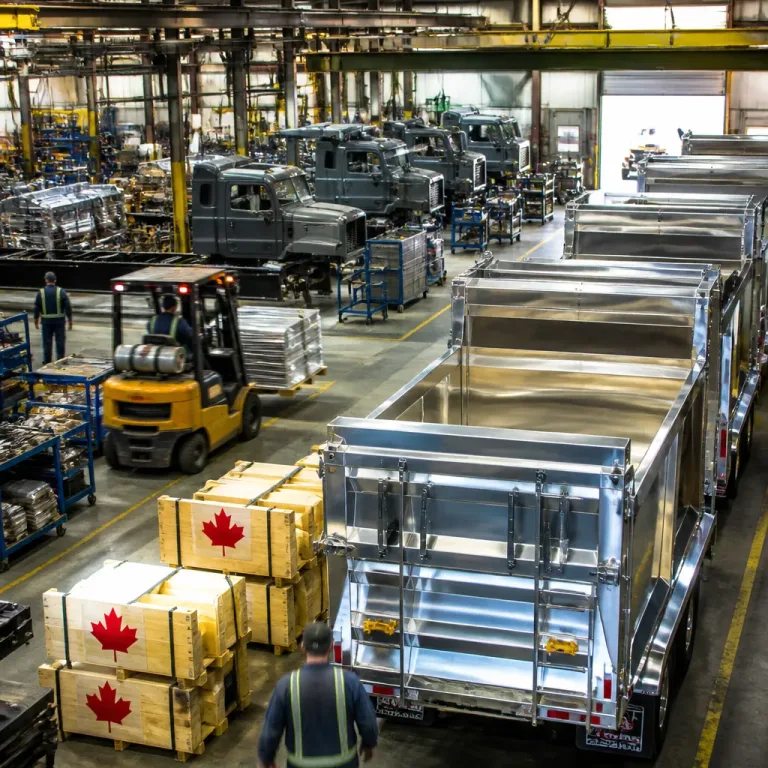
“The increased energy prices have had benefits for some provinces, while the tariffs have been hardest on Ontario and Quebec due to the exposure in the manufacturing sector,” said Richard Forbes, lead economist at Signal49 Research.
Why Newfoundland and Labrador is rising
The report attributes the province’s stronger performance chiefly to two factors:
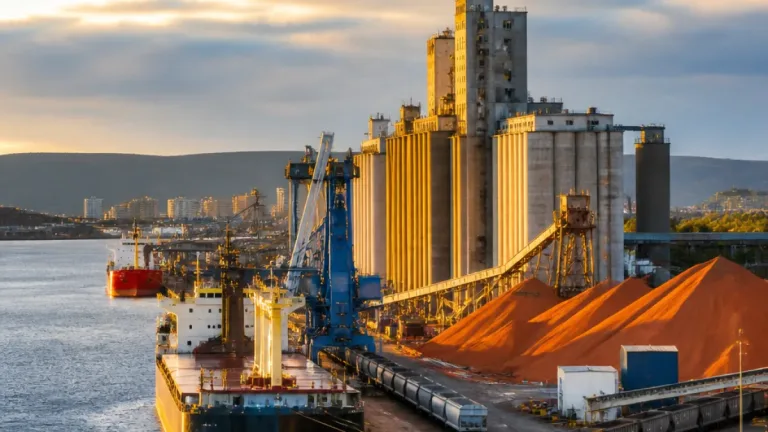
- Higher crude oil prices — which improve revenues and cash flow for producers and can lift related provincial economic activity.
- Offshore oil projects — ongoing and new developments that generate jobs, contract work and spending in local supply chains.
Those drivers have an outsized impact in Newfoundland and Labrador because the provincial economy is more concentrated in energy and resource activity than many other parts of Canada.
Winners and losers in the provincial picture
Signal49’s regional snapshot also highlights the unevenness of Canada’s recovery. Ontario — historically the country’s economic engine — is forecast to register the weakest growth of any province at 0.2 per cent. Quebec’s growth is put at 0.7 per cent, while most others track closer to 1.5 per cent.
| Province | Projected 2026 growth |
|---|---|
| Newfoundland and Labrador | 3.7% |
| Ontario | 0.2% |
| Quebec | 0.7% |
| Most other provinces | ~1.5% (general range) |
Local implications
For people here, the forecast matters in practical ways. Stronger provincial growth can translate into more employment opportunities in energy and contracting, increased provincial revenues and potentially greater capacity for public services. Many residents will be watching how benefits from higher energy prices are distributed across communities and sectors.
At the same time, the divergence with Ontario and Quebec underscores the vulnerability of manufacturing-heavy regions to trade and tariff pressures. Signal49’s analysis points to tariffs weighing on industries concentrated in those provinces, a factor less pronounced in Newfoundland and Labrador’s resource-oriented economy.
Questions ahead
The projection raises questions policymakers and communities will need to confront: how to turn short-term gains from commodity price swings into lasting economic diversification, how to manage revenue volatility from resource dependence, and how to ensure offshore development benefits are shared across the province.
Signal49’s findings provide a snapshot rather than a guarantee. Commodities markets are famously changeable and project timelines can shift. Still, for a province that for decades fought an image of economic lagging, the forecast is a notable moment — one that will shape conversations in government, business and communities across Newfoundland and Labrador as 2026 draws to a close.
— Reporting from St. John’s.