
ST. JOHN’S — Canada’s senior military officer says Newfoundland and Labrador plays a vital and strategic role in the country’s defence posture, citing the province’s geography as a key asset for basing, training and surveillance.
Chief of the Defence Staff Gen. Jennie Carignan made the remarks during a visit to St. John’s for the closing ceremony of the National Leader Enhanced Training Session for the Junior Canadian Rangers. Her comments come as Ottawa has signalled plans for an uptick in defence spending and amid ongoing discussion about continental security and co‑operation with allies.
Geography, sensors and allied co‑operation
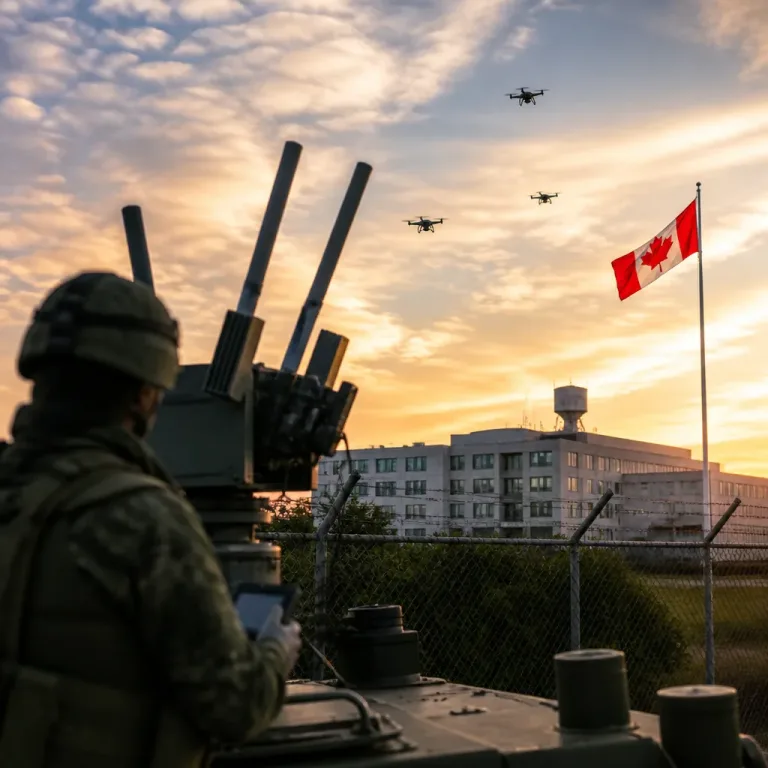
Carignan said Newfoundland and Labrador’s position on the eastern edge of the North American continent provides “incredible opportunities” for Canada’s armed forces. She highlighted the province’s usefulness not only for basing personnel and equipment, but also for training exercises and the siting of sensors that contribute to wider continental defence efforts.
“Geopolitically, Labrador and Newfoundland are located in a very strategic position and offers incredible opportunities, both in terms of the basing but also in terms of training and positioning of various sensors,”
The chief of the defence staff linked the province’s role to co‑operative work with NATO and North American Aerospace Defence Command (NORAD). According to her remarks, Newfoundland and Labrador contributes through facilities and activities that support both national defence and allied operational needs.
Context: spending and security concerns
Carignan’s comments land against a backdrop of heightened public discussion about defence policy. The federal government has been signalling further investment in Canada’s military capabilities. The CBC report referenced statements from national leaders about increasing defence spending over coming years and reflected broader debates about continental security arrangements.
Local defence watchers have long pointed to the province’s strategic value: its proximity to transatlantic air and sea routes, Arctic approaches and maritime domains make it a logical location for monitoring and rapid response assets.
What the province already contributes
The chief of the defence staff named several practical ways Newfoundland and Labrador plugs into Canada’s defence architecture. Those contributions include:
- Basing — hosting military units and infrastructure;
- Training — providing terrain and facilities for exercises at varying scales;
- Sensor placement — siting radar, listening posts or other surveillance equipment to monitor approaches to the continent.
These roles feed into continental systems managed with allies, according to Carignan, including NORAD operations that co‑ordinate aerospace warning and control across Canada and the United States.
Visit and ceremony
Carignan was in St. John’s to mark the close of an enhanced training session for Junior Canadian Rangers, a youth mentoring and leadership development programme that operates in remote and rural communities. The visit underlines the Canadian Armed Forces’ ties to communities across Newfoundland and Labrador, where reserve units and ranger patrols have long been part of the social fabric.
Local implications
For Newfoundland and Labrador residents, the military’s interest in the province is more than abstract. Basing, training activities and sensor infrastructure can mean local employment, construction and increased routine activity around military sites. At the same time, such developments raise conversations about environmental impacts, land use and community consultation — matters often raised when infrastructure is proposed in sensitive coastal and northern zones.
Carignan’s comments are likely to renew attention on how Ottawa and the Department of National Defence plan to expand or modify capabilities in Atlantic Canada. Any concrete proposals would come through federal channels and require further public reporting and consultation as details emerge.
How the province fits in continental defence
| Role | Example |
|---|---|
| Basing | Hosting units or equipment that support operations |
| Training | Providing land and sea ranges for exercises |
| Sensor placement | Positioning of radar and monitoring systems |
Carignan’s visit and her public remarks emphasise a longstanding reality: Newfoundland and Labrador’s location gives it outsized importance in questions of continental awareness and defence. How Ottawa chooses to capitalise on that geography — and what local communities may be asked to host or support — will be subjects to watch as federal planning unfolds.
Reporting from St. John’s.