The Saskatchewan Public Safety Agency has formalized a partnership with two major First Nations organizations to strengthen wildfire planning, preparedness and response across the province.
Structured collaboration ahead of wildfire seasons
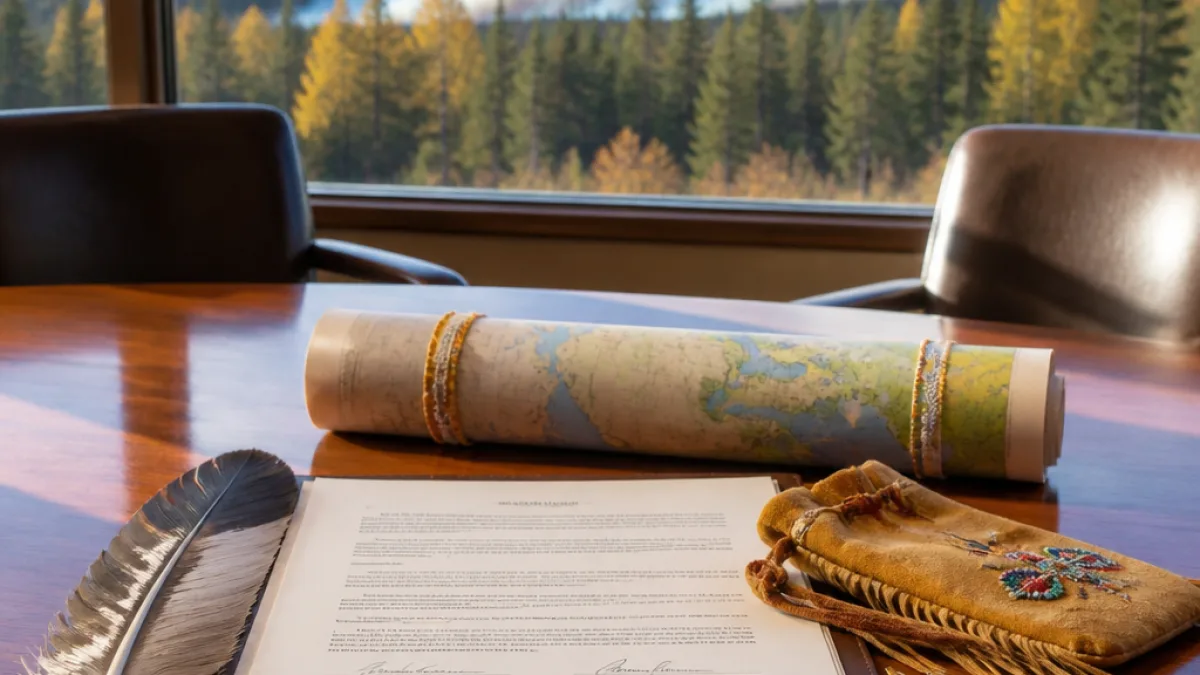
On Tuesday the agency signed a memorandum of understanding with the Prince Albert Grand Council and the Meadow Lake Tribal Council. The agreement establishes a working group intended to create a “more structured approach to collaboration” on wildfire matters, including meetings before and after each wildfire season.
The province said the arrangement will allow Indigenous communities to share local and traditional knowledge, the lived experience of their communities and the lessons they learned through recent wildfire seasons. The goal is to develop recommendations that can be used to improve provincial wildfire strategy, operational planning and protection efforts.
Federal partners at the table
In addition to the provincial agency and the two tribal councils, the collaborative approach will include representatives from Indigenous Services Canada and the Canadian Forest Service. The province described the federal participation as a way to bring national resources and expertise into the discussions.
“Our government continues to take action to improve prevention, response and recovery from wildfires, and First Nations are an integral partner in effectively responding to the challenging threat of wildfires in our province,” Michael Weger, the provincial minister responsible for the public safety agency, said in a statement.
Jeremy Norman, chief of the Meadow Lake Tribal Council, said First Nations communities have direct experience of wildfire impacts and called the agreement “an important step towards improving preparedness, enhancing communication and building resilience for future wildfire seasons.”
What the working group will do
The province outlined several specific aims for the working group. While the memorandum provides a framework rather than a prescriptive list of actions, participants will focus on:
- sharing local and traditional ecological knowledge about the land and fire behaviour;
- conducting pre-season planning and post-season reviews to capture lessons learned;
- developing recommendations to inform operational wildfire strategy and protection measures;
- improving communication between provincial services and First Nations communities during incidents.
Officials said the structured meetings will occur both before and after fire seasons to ensure Indigenous perspectives are heard during planning and to incorporate community feedback following events.
Context and local impact
Saskatchewan regularly faces wildfire risk across its boreal and parkland regions. First Nations communities have often borne the brunt of evacuations, property loss and smoke impacts. The memorandum of understanding signals a formal recognition that Indigenous leadership and knowledge are essential components of an effective wildfire strategy.
Previous wildfire seasons in Saskatchewan and across western Canada exposed gaps in communication, evacuation planning and community-level preparedness. By building recurring meetings and a formal pathway for recommendations, the province says it aims to narrow those gaps and improve resilience.
| Partner | Role |
|---|---|
| Saskatchewan Public Safety Agency | Lead provincial coordination and convene working group |
| Prince Albert Grand Council | Provide local and traditional knowledge from member communities |
| Meadow Lake Tribal Council | Share community experience and advise on preparedness and response |
| Indigenous Services Canada | Federal support and coordination with Indigenous communities |
| Canadian Forest Service | National science and fire management expertise |
Voices from the region
Leaders from the tribal councils framed the partnership as recognition of expertise that exists within First Nations communities—expertise developed over generations through lived stewardship of the land. Chief Jeremy Norman highlighted the need to improve preparedness and communication to protect people and property.
For many northern and central Saskatchewan communities, improved planning could mean better early-warning systems, clearer evacuation protocols and tailored protection measures that reflect local landscapes and infrastructure differences. The memorandum does not spell out funding or operational changes, but it creates a recurring forum where those topics can be raised and shaped by affected communities.
Next steps
The agency said the working group will meet ahead of the next wildfire season and again after the season concludes. Those meetings are expected to produce recommendations and feedback the province can use to refine wildfire planning and response. How quickly any recommendations turn into operational changes or funding commitments will depend on subsequent discussions between partners and the provincial government.
As wildfire seasons lengthen and intensify across the Prairies, Saskatchewan’s new memorandum of understanding signals a formal effort to bring Indigenous knowledge and federal expertise into the centre of provincial planning. The effectiveness of the arrangement will be measured season by season, through the recommendations that emerge from the agreed-upon working group.