
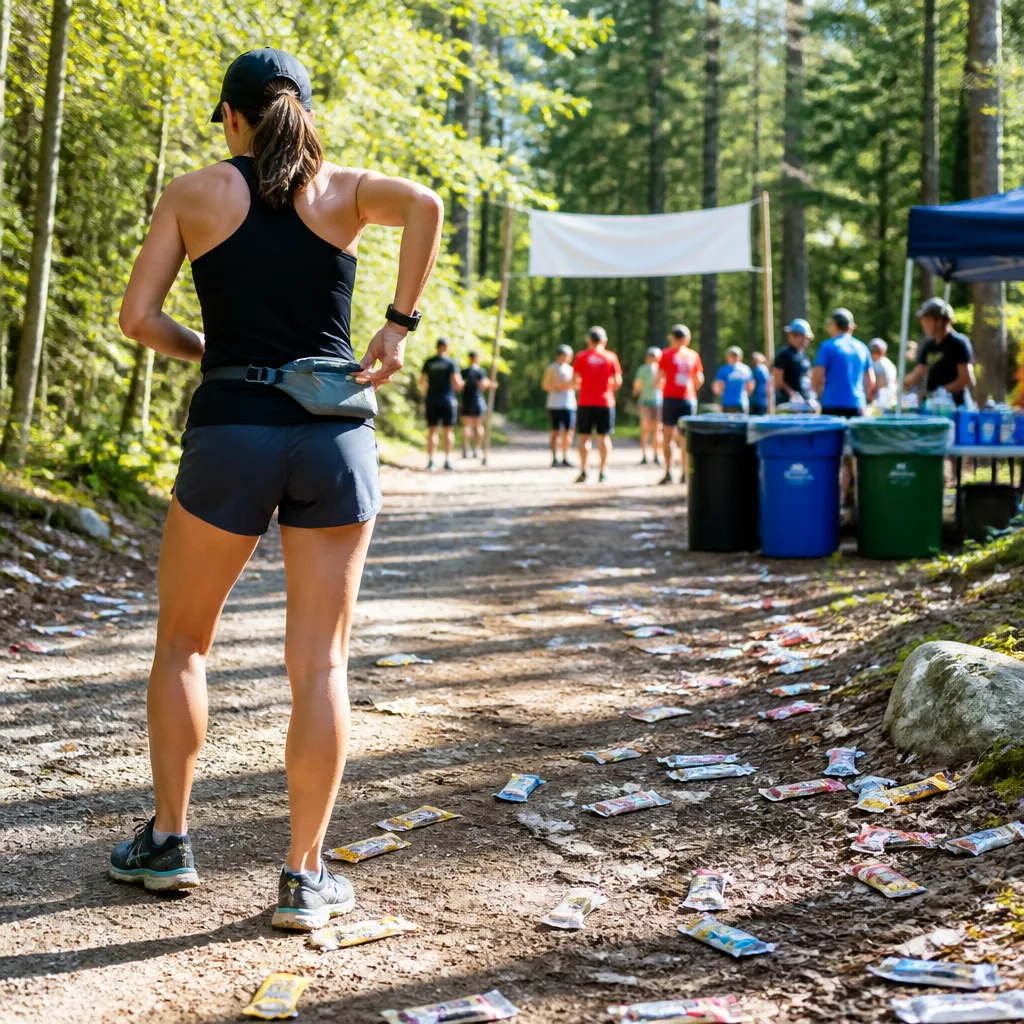
An Australian man has drawn attention to what he says is an increasing pattern of runners discarding single-use energy gel packets along popular routes — behaviour he calls unacceptable and potentially harmful to the environment.
Small packets, growing problem
Energy gels, sold in supermarkets and specialty stores for as little as $2 per packet in Australia, are a convenient source of carbohydrates for people exercising. But users leaving empty sachets on trails or near waterways has prompted frustration among other trail users and residents.
"You're acting like you're in the Olympics, and you're just not,"
The comment, made by a local observer who documented the trend on social media, reflects a broader annoyance with what he described as a mentality that competitive or serious training excuses poor public behaviour. He told reporters that while many people dispose of their rubbish properly, the sight of gel sachets on the Bay Trail in Port Melbourne and at marathon routes is increasingly common.
Market growth could mean more waste
Industry analysis referenced in the discussion shows the market for energy gels is expanding. According to Future Market Insights, the sector currently has an annual value of $4.5 million and is projected to reach $18.4 million by 2035. That growth suggests single-use packaging could become more prevalent along urban and recreational routes unless disposal behaviour changes.
| Metric | Value |
|---|---|
| Current annual market value | $4.5 million |
| Projected 2035 value | $18.4 million |
Why it matters for everyday trail users
Beyond aesthetics, abandoned gel packets pose risks to wildlife and waterways if they are carried into rivers or the ocean. The observer who raised the issue — while not identifying as an environmental campaigner — said he dislikes the idea of these items entering marine ecosystems.
People who saw the social media post echoed the concern, noting the problem appears at organised events such as marathons as well as during routine training runs. One runner commented that they first noticed the behaviour while running the Gold Coast, where bins are plentiful but packets were nevertheless discarded.
Practical takeaways for runners and event organisers
For anyone who uses energy gels or plans to organise running events, a few practical steps can reduce litter and lessen the environmental footprint of training and races:
- Carry a small pouch or pocket for empty sachets until you find a bin or a reliable place to dispose of them.
- Plan waste stations at races and group runs, with clear signage and volunteers to collect used packaging.
- Choose lower-waste options when possible, such as bulk-serving stations for longer events or gels with recyclable packaging where available.
- Lead by example: runners and coaches can encourage peers to keep routes clean by modelling responsible disposal.
As participation in running and endurance events continues to grow, organisers and participants face a choice: adapt behaviours and infrastructure, or accept that small, single-use items will increasingly mar public spaces. With the gel market expected to expand significantly over the next decade, the need for solutions to keep trails clean is likely to become more pressing.