
Rising homelessness in Regina linked to housing shortage and low income supports
Regina is seeing a marked increase in people without stable housing, according to an advocate who works directly with residents navigating income and disability supports. The growth has accelerated since the COVID‑19 pandemic, and advocates say the crisis is rooted in a shortage of affordable, quality housing and insufficient benefit levels for people on provincial supports.
Peter Gilmer, an advocate with The Regina Anti‑Poverty Ministry, told a local interview that his office’s day‑to‑day work with clients on the Saskatchewan Income Support (SIS) and Saskatchewan Assured Income for Disability (SAID) programs makes the problem clear: the monthly shelter allowance for some clients is far too low to cover rent and utilities.
“Somebody in Regina or Saskatoon is only receiving $675 per month for all of their shelter‑related needs,” Gilmer said. “That’s not just for rent. That’s also for all their utility needs.”
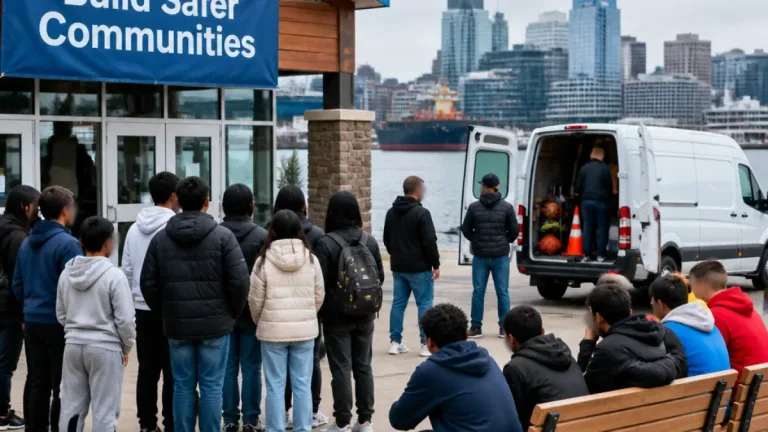
Gilmer said the low benefit levels have led to rising utility cutoffs and arrears among clients, a problem that undermines people’s ability to secure and maintain housing. He also described an increase in people who are technically employed but still unhoused — living in temporary arrangements or travelling from encampments to workplaces.
What advocates say is driving the shift
- Shortage of affordable housing: Longstanding limits on social housing and new supply have left many renters vulnerable to market pressures.
- Inadequate income supports: Benefit levels for some provincial programs do not cover basic shelter and utility costs.
- Post‑pandemic pressures: A noticeable growth in the unhoused population since COVID‑19, with more people falling through safety nets.
Gilmer pointed to housing‑first models and wraparound supports as approaches that have shown effectiveness in stabilizing people, but he warned that those efforts are undermined if supply and income supports do not keep pace with need.
On the question of people working but still unhoused, Gilmer confirmed that the phenomenon exists in Regina. He described cases of the working poor couch‑surfing or sleeping outdoors while commuting to jobs, and said local encampments historically have included people who travel to work each day.
Numbers matter — and they tell a tight story
The Saskatchewan Income Support and SAID programs provide assistance intended to cover basic needs for people with low or no income and for those with significant, enduring disabilities. Gilmer emphasised the stark gap between what those programs provide and the actual cost of maintaining housing and utilities in Regina.
| Program | Monthly shelter‑related amount cited |
|---|---|
| Saskatchewan Income Support / SAID (example cited) | $675 |
While that figure is not a universal payment for all clients, it illustrates the scale of the problem for those who rely on provincial benefits to cover shelter and utilities.
Advocates say the steady erosion of social housing stock and a shortage of affordable rental units leave few alternatives for people priced out of the market. That pressures emergency shelters, increases the number of informal encampments, and places added strain on community organisations that provide day services and advocacy.
Local consequences and policy choices
For Regina residents, the crisis affects neighbourhoods across the city: public spaces, shelters, social services and the rental market are all touched. The advocate’s account underscores a policy crossroads for municipal and provincial leaders — whether to prioritise investment in social housing, raise benefit levels, scale up wraparound supports, or some combination of those steps.
Gilmer’s remarks also point to a broader lesson voiced by many in the sector: housing interventions work best when paired with sufficient income supports and integrated services. Without addressing both supply and affordability, advocates warn, more people will continue to fall through the cracks.
As conversations about housing and supports continue in Regina, local groups say they will keep pressing for solutions that can prevent further growth in the unhoused population and help people regain stable housing.