SUMMERLAND, B.C. — Migrant workers who play a central role in British Columbia’s orchards, farms and ranches have been driven from their workplaces by the Bald Range wildfire and now face an uncertain economic future as evacuation orders stretch on.
Evacuations disrupt pay and seasons
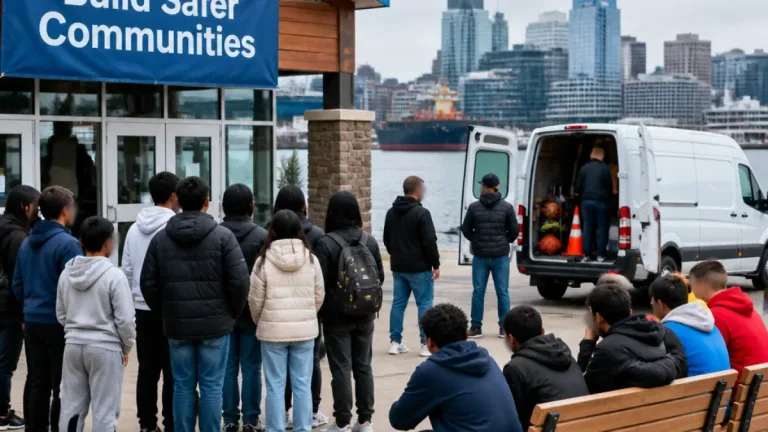
Advocates say the evacuation, which intensified in the early hours of a recent Saturday, forced dozens of temporary foreign workers to flee without time to gather belongings or clarify when they will be able to return to work. The interruptions come at a time in the season when many workers have not yet accumulated sufficient hours to qualify for federal employment insurance.
Raul Gatica, an organizer with the Dignidad Migrante Society, said his phone began ringing around two a.m. as the fire spread and evacuation orders were issued. By the end of the day he estimated he had spoken with about 50 workers who were affected by the evacuation and are now confronting lost pay and extra expenses replacing food and personal items left behind.
“Temporary foreign workers are already paid poorly, and missing out on even a few days of work, while having to replace possessions and food left behind can have a significant impact,”
Gatica told WE NEWS that the timing is particularly difficult because most workers at this point in the season have not reached the 600 hours of work commonly required to be eligible for employment insurance.
Federal measures and remaining gaps
Immigration, Refugees and Citizenship Canada (IRCC) issued a statement pointing to changes made in April that allow temporary residents affected by a natural disaster up to six months to apply to restore or extend their status. The department also noted that temporary foreign workers on employer-specific permits may be able to seek new employment and apply for a subsequent work permit under a public policy that allows them to begin working while a decision is pending.
The IRCC statement said these measures are available to those impacted by wildfires, but advocates argue the policies do not fully address immediate financial hardship caused by missed pay cheques and the cost of evacuation.
What this means locally
Across the Okanagan, temporary workers perform essential roles in harvesting, pruning and animal care. When a wildfire or evacuation interrupts those tasks, the ripple effects are felt by seasonal operations that depend on a reliable workforce and by the workers themselves, many of whom live in employer-provided housing or shared accommodation.
Without access to employment insurance or immediate replacement income, workers can rapidly exhaust savings. Advocates say that even short disruptions can force difficult choices about housing, food and the ability to remain in the region for the full season.
Calls for policy fixes
Gatica and other advocates are urging federal and provincial authorities to consider temporary adjustments that would reduce hardship for disaster-affected temporary workers. Suggestions from advocacy groups include lowering the hours threshold required for employment insurance eligibility and speeding the application process for other emergency supports.
IRCC’s April measures give time-limited mechanisms to restore status, but they do not change eligibility rules for EI nor do they automatically provide interim income replacement for workers who have lost wages due to evacuation.
Practical concerns and next steps
Workers who are displaced face several immediate needs: safe accommodation while evacuation orders remain in effect, access to basic supplies replaced after evacuating, and clarity about work permits and employment options if an employer’s operations are interrupted.
Advocacy organizations have been fielding calls and trying to connect workers with local supports, while urging governments to provide clearer, faster information about which programs and exceptions may apply in wildfire-impacted circumstances.
- Key issues: lost wages, lack of EI eligibility, replacement of possessions and food
- Federal options noted: up to six months to restore or extend temporary status; ability to apply for a new employer-specific permit and begin working while a decision is pending
- Advocates ask: lower EI hours threshold and faster, accessible emergency relief for displaced temporary workers
| Measure | Details from IRCC |
|---|---|
| Restore/extend status | Up to six months to apply after a natural disaster |
| Change employers | Temporary foreign workers on employer-specific permits may seek new employment and apply for a subsequent permit; may begin working while application is pending under public policy |
As smoke clears and evacuation orders are reassessed, the immediate focus for many will be on returning to work and replacing lost income. For migrant workers whose eligibility for standard benefits is constrained by seasonal hours requirements, the wildfire has exposed gaps that advocates say warrant urgent policy attention.
Reporting from the Okanagan continues as communities and advocacy groups monitor the recovery and press for supports for temporary residents who sustain the province’s agricultural economy.