Incumbent stresses stewardship while challengers push infrastructure and transparency
Port Coquitlam’s fall municipal ballot will mark a departure from the last election after Mayor Brad West — who ran unopposed in 2022 — drew two challengers: Connor Fesenmaier and Pasquale Zampieri. The early contours of the campaign put growth, infrastructure and neighbourhood services at its centre, as candidates stake out competing approaches to managing a city that continues to grow.
West, a three-term councillor before his election as mayor, framed his record around fiscal restraint and targeted investment in services that affect residents’ daily lives. He highlighted municipal changes made during his term, including the introduction of large-item pickup and glass recycling, capital investments in parks and a policy making outdoor pool swimming free for Port Coquitlam residents.
“When I first asked people for their trust, I promised to work hard, stay focused on what matters in people’s everyday lives and deliver results,”
West told voters that commitment has not changed and pointed to the city’s property tax approach, saying council has kept taxes low while continuing to invest in core services. He also reiterated the downtown revitalization objective set after his 2022 inauguration: to make the heart of the city a venue for festivals and events so people have “more reason to come downtown and stay downtown.”
Challenger focuses on traffic, maintenance and planning
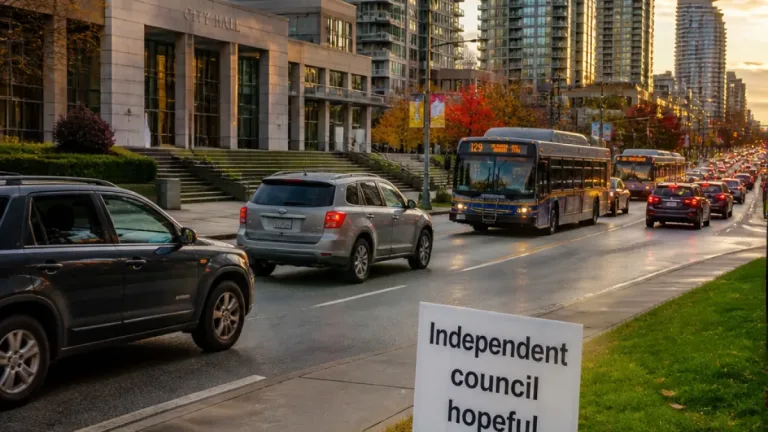
Fesenmaier entered the race with an eight-point platform that emphasises traffic engineering and infrastructure maintenance. He singled out Shaughnessy Street, Lougheed Highway and the connection to the Mary Hill Bypass as priority corridors that he says require focused attention on traffic flow and intersection design.
“These are major gateways through Port Coquitlam and deserve focused engineering, traffic-flow and intersection-design attention,”
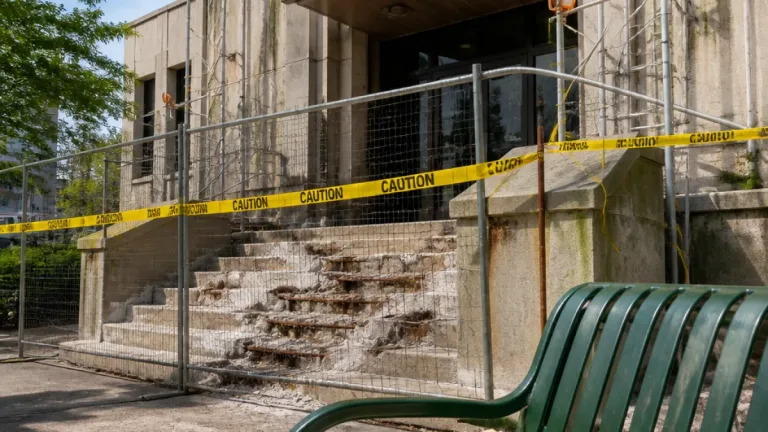
He also pledged to prioritise preventative maintenance of city assets so that small problems are addressed before they escalate into expensive failures. On growth, Fesenmaier said the issue is not expansion itself but development that occurs without the supporting infrastructure — such as parking, drainage, transit links and emergency-service capacity.
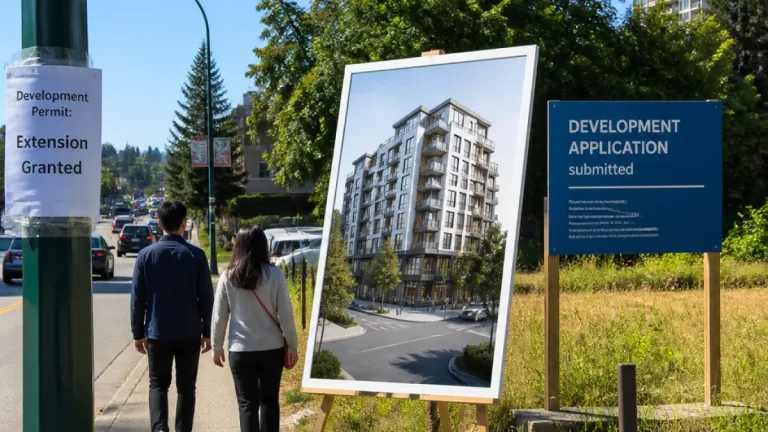
Transparency in municipal decision-making is another pillar of his platform; he argued residents should receive clearer information about expected developments and their impacts.
What voters will see on the ballot
The entry of two challengers ends the uncontested stretch that characterised the last mayoral election. Voters can expect a campaign focused on practical, municipal matters: traffic flow, asset management, downtown activation and municipal household services. One of the notable contrasts emerging is West’s record of small-service expansions and low taxes versus Fesenmaier’s emphasis on engineering fixes and infrastructure-first growth management. Details on Pasquale Zampieri’s platform were not available in initial reports.
- Incumbent: Brad West — campaigned on fiscal restraint, neighbourhood safety, and visible service additions (large-item pickup, glass recycling, free outdoor pool access).
- Challenger: Connor Fesenmaier — eight-point platform focusing on traffic corridors, preventative infrastructure maintenance, and transparency.
- Challenger: Pasquale Zampieri — registered candidate; platform details pending public release.
| Candidate | Noted focus |
|---|---|
| Brad West | Low property taxes, parks investment, downtown activation, household services |
| Connor Fesenmaier | Traffic engineering, preventative maintenance, infrastructure for growth, transparency |
| Pasquale Zampieri | Platform not detailed in initial report |
Local implications
For residents, the campaign sets up a debate about how Port Coquitlam should manage growth and day-to-day municipal services. The mayor and council will shape zoning outcomes, capital-investment priorities and service levels that affect commuting, storm drainage, emergency response capacity and the look and feel of neighbourhoods and the downtown core.
West’s record of municipal service additions and low tax messaging will appeal to voters prioritising immediate, visible services. Fesenmaier’s platform appeals to those worried about the long-term resilience of city infrastructure amid ongoing development pressures. The absence of publicly detailed proposals from Zampieri leaves a gap that may become significant as the campaign progresses and debates crystallize.
With nomination and election timelines moving forward, residents can expect opportunities to hear the candidates at forums, through campaign materials and at city events. As Port Coquitlam grows, the mayoral race will be watched for how it balances neighbourhood quality of life with accommodating new homes and transportation demands.
The municipal contest is likely to sharpen attention on corridors such as Shaughnessy Street and Lougheed Highway, and on how council plans capital and maintenance work to protect municipal assets and services. Voters will ultimately decide which approach — steady stewardship and incremental service additions, or an infrastructure-first response to growth — best serves Port Coquitlam’s future.