Petition calls on Canada to expel U.S. ambassador after contentious remarks
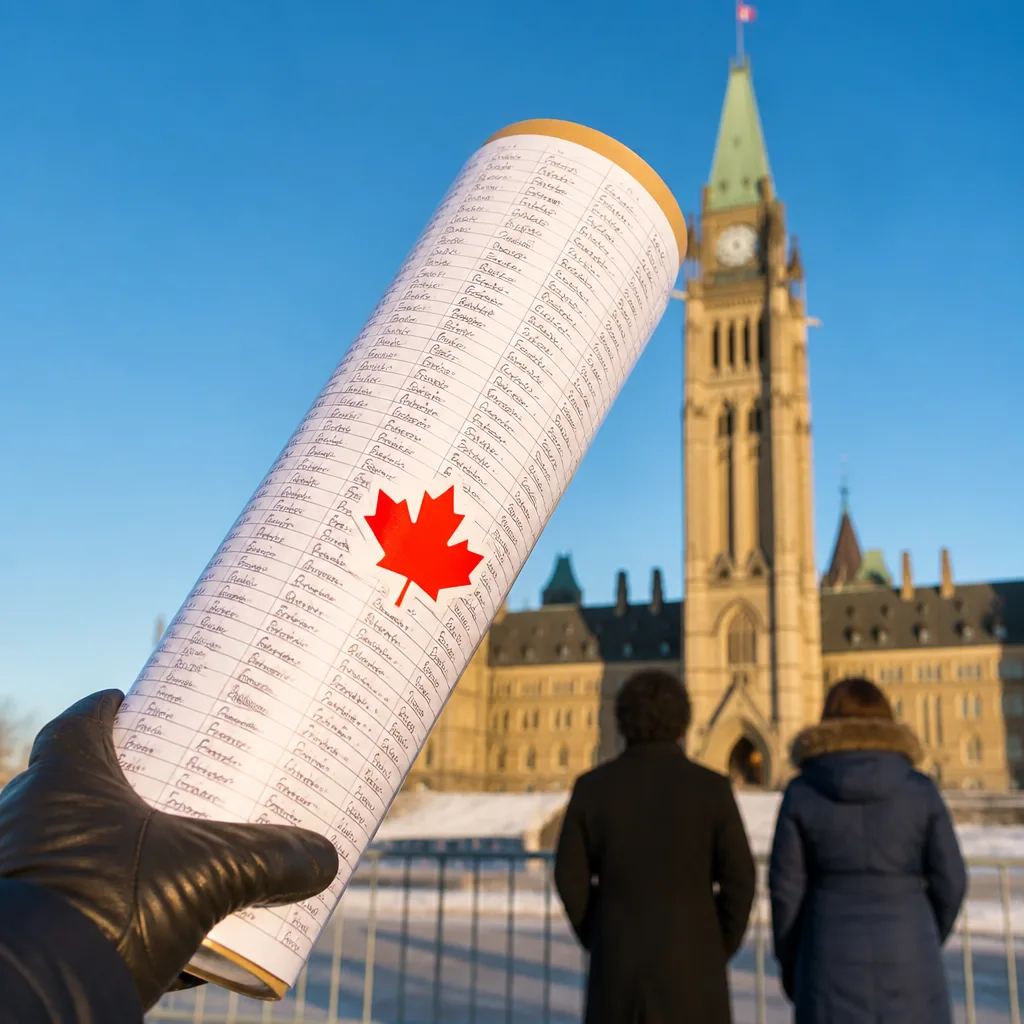
An online petition with more than 29,000 signatures is asking the federal government to declare the United States ambassador to Canada persona non grata and remove him from the country, the petitioner and a parliamentary ally say.
The initiative, launched by a woman in Calgary, will be formally presented in the House of Commons this fall by Green Party leader Elizabeth May. It accuses Ambassador Pete Hoekstra of making statements that harm the bilateral relationship and of intervening in Canadian political discussion in ways the petition says are inconsistent with diplomatic norms.
What the petition asks
The petition advances three principal requests to the federal government:
- Declare the U.S. ambassador to Canada persona non grata and remove him from Canada.
- Direct a parliamentary committee to review alleged U.S. diplomatic interference in Canadian affairs.
- Assess whether statements made by the ambassador have breached the conventions governing diplomatic conduct.
Context and controversy
The petition follows a series of high-profile remarks by Ambassador Hoekstra that drew attention earlier this summer, including a comment reported by media that sparked criticism and concern. On one occasion he raised the topic of Canadian annexation as a hypothetical subject for discussion between Canadian and U.S. leaders.
“Canada's annexation by the United States would be a great topic of discussion for Prime Minister Mark Carney and U.S. President Donald Trump.”
That remark, among others, has been cited by critics as evidence of inappropriate interference in domestic debate. The petition describes the comments as undermining the Canada–U.S. relationship and asserts they fall outside the conventions usually observed by diplomats.
Diplomatic mechanics and consequences
Declaring a diplomat persona non grata is a formal tool available under the Vienna Convention on Diplomatic Relations. When invoked, it strips the individual of diplomatic status and typically requires their departure from the host country. The petition urges Ottawa to use that instrument and to undertake a parliamentary review of the broader issue of foreign diplomatic conduct in Canada.
How the government responds will involve a mix of legal, diplomatic and political calculation. Expelling an ambassador is a serious step that risks reciprocal measures and could heighten tensions between Ottawa and Washington. Conversely, not responding risks domestic political fallout for a government perceived as tolerant of foreign meddling in Canadian affairs.
Parliamentary presentation and next steps
The petition will be presented formally by Ms. May this autumn. Petitions presented in the House of Commons draw attention and can prompt debate, committee referral or other parliamentary action, but they do not by themselves compel executive action.
Those backing the petition say the matter warrants fuller scrutiny by elected representatives, pointing to the volume of signatures as evidence of public concern.
| Item | Detail |
|---|---|
| Number of signatures | 29,000+ |
| Presented by | Green Party leader Elizabeth May |
| Origin | Launched by a resident of Calgary |
The government has not yet indicated whether it will take the drastic step of declaring the ambassador persona non grata or whether it will instead pursue diplomatic channels to address the concerns raised. The petition, and the parliamentary presentation to come, are likely to force a public conversation about the limits of diplomatic speech and the mechanisms Canada has to respond when those limits are perceived to be crossed.