The Manitoba government is offering to waive the provincial sales tax on major capital spending tied to the Port of Churchill as part of a broader push to attract international investment and expand northern trade capacity.
Incentive aimed at large-scale projects
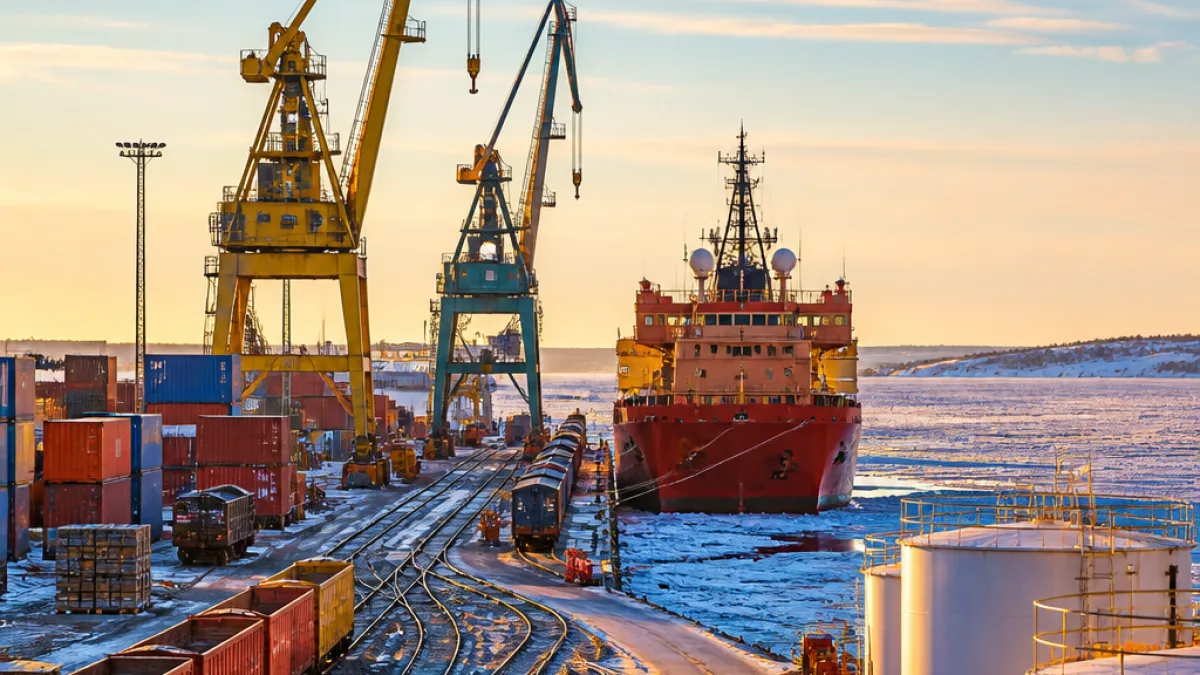
Premier Wab Kinew announced the measure Monday while attending a federal-organized investment summit in Toronto. The province said the new tax relief would apply to proposals that include development of a new energy corridor and liquefied natural gas (LNG) facilities, upgrades to the railway that serves the port, and investments in icebreaking capacity to support extended‑season or year‑round shipping.
“We are here in Toronto to tell global investors that the Port of Churchill is open and ready to expand,” Kinew said in a statement.
The announcement is the latest in a series of moves by the provincial government to re-establish Churchill as a hub for prairie exports. In early September the port loaded its first grain cargo in six years and handled its first potash shipment, signalling renewed operational activity after a prolonged period of limited use.
Pitching Manitoba to the world
While in Toronto, the premier is meeting with global asset managers and investment firms to promote projects in mining, infrastructure and agriculture totalling more than $85 billion, the province said. The summit has drawn hundreds of executives, asset managers, federal ministers and other provincial leaders over two days of presentations and meetings.
Manitoba officials said studies released last month indicate receding ice levels in the Arctic are making northern shipping routes more accessible and potentially reducing the costs of vessels required for regular service — factors the province believes strengthen Churchill’s case as an export gateway.
What the PST waiver would cover
The government described the scope of the tax measure as targeted to significant capital expenditures rather than routine operations. Examples cited by the province include:
- Development of an energy corridor and related infrastructure for LNG or other fuel exports;
- Railway upgrades along the line to Churchill to handle higher volumes and heavier loads;
- Investment in icebreaking vessels or other marine infrastructure to extend the shipping season.
| Measure | Purpose |
|---|---|
| Provincial sales tax waiver | Reduce upfront capital costs for qualifying large projects at the port |
| Infrastructure focus | Rail upgrades, icebreaking and energy corridor development |
Local and regional implications
For northern communities and the province’s export sectors, expanded activity at Churchill could mean shorter shipping routes to Europe and Arctic access during months when the port might previously have been closed. That could translate into lower transportation costs for some commodities and new employment opportunities in the region.
But the pace and scale of any growth depend on private investors committing to the multimillion‑ or billion‑dollar projects the province is courting. The PST waiver lowers one barrier but does not guarantee financing, regulatory approvals or construction timelines.
Context and next steps
Manitoba’s announcement comes after government‑commissioned studies in August that examined changing ice conditions and shipping economics in northern waters. The province is now trying to turn those findings into concrete investment by pairing the research with fiscal incentives and a direct sales pitch to global firms.
Officials did not provide details on the application process for the tax waiver or set thresholds for what constitutes qualifying “major capital spending.” The premier’s office said further information would be made available to interested investors and through future provincial communications.
As the Port of Churchill resumes activity after years of limited use, Manitoba faces a familiar challenge: converting favourable studies and political attention into durable private‑sector commitments that can sustain long‑term economic growth for the North.
City: Churchill