A Manitoba provincial court judge has concluded that a Quebec man continued to control and profit from a woman’s involvement in sex work while he was behind bars in the province, using nearly continuous telephone contact to coerce her over a 14‑month period.
In an Aug. 11 written decision, Judge Denis Guénette found that Jean‑François D’Asti‑Brideau was guilty of human trafficking, benefitting from the proceeds of human trafficking, procuring, obstruction of justice and disobeying a court order. The offences occurred while D’Asti‑Brideau was serving a sentence at Headingley Correctional Centre, west of Winnipeg.
Scope of the contact
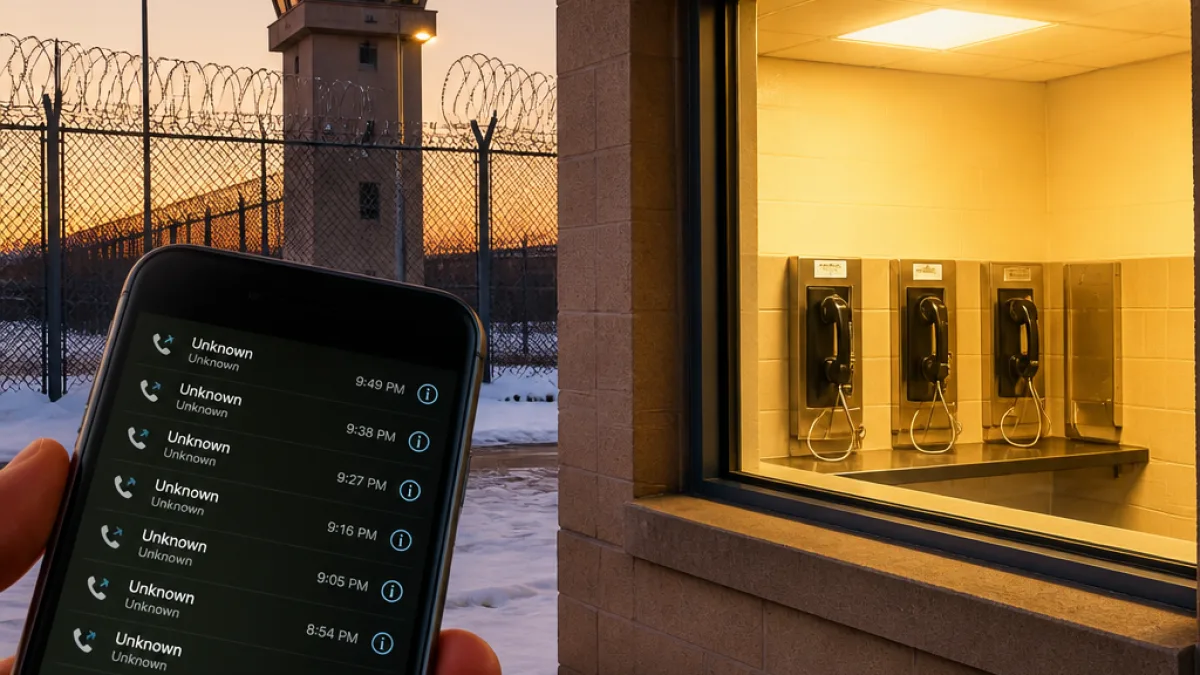
Prosecutors told the court that D’Asti‑Brideau made almost 1,000 phone calls to his victim — identified only as Ms. B in the decision — between June 22, 2022, and Aug. 24, 2023. The automated telephone system used in the correctional centre recorded all calls, though they were not being actively monitored, the judge wrote.
From that set, the judge examined a sample of roughly 100 calls. Of those, 88 were identified as direct exchanges between D’Asti‑Brideau and Ms. B. Based on that analysis, the judge concluded the calls were part of a sustained pattern of control, direction and influence exerted by the accused over the woman’s actions.
Court findings and previous convictions
The written ruling notes that D’Asti‑Brideau had previously pleaded guilty and been sentenced for human trafficking and procuring related to offences that took place in 2021. The more recent decision by Judge Guénette extends criminal liability into the period of incarceration, finding that the accused continued to benefit from and direct sex‑work activity remotely.
The court’s decision lists a number of convictions returned against D’Asti‑Brideau:
- Human trafficking
- Benefitting from proceeds of human trafficking
- Procuring
- Obstruction of justice
- Disobeying a court order
| Detail | Information from decision |
|---|---|
| Period of calls | June 22, 2022 – Aug. 24, 2023 |
| Approximate number of calls | Nearly 1,000 |
| Sampled calls analysed | ~100 (88 identified as exchanges) |
| Location of incarceration | Headingley Correctional Centre, west of Winnipeg |
Victim identification and protections
The woman at the centre of the case is referred to only as Ms. B in the decision to protect her identity. The judge’s written reasons describe the nature of the communications and conclude that the calls supplied a mechanism for ongoing coercion and profit‑making.
Manitoba courts commonly withhold identifying information in trafficking cases to avoid further harm to victims and to preserve the integrity of related proceedings.
Corrections phone systems under scrutiny
The case underscores problems raised in other jurisdictions about how correctional phone systems can be used by incarcerated individuals to continue criminal activity. Inmates at Headingley use an automated system that records calls and requires users to enter an ID number and the number they wish to dial; the system allows three free calls daily, with additional calls incurring charges.
The judge’s decision highlights that recorded calls can nevertheless provide a channel for sustained influence when systems are not monitored in real time.
Next steps and community context
The Aug. 11 decision establishes guilt on multiple counts. The source material does not indicate whether sentencing has been scheduled or whether Crown or defence will seek further recourse. The case forms part of broader efforts by police and prosecutors to address exploitation and trafficking in Winnipeg, where advocates and service providers have long warned that vulnerable people are targeted and controlled through both in‑person networks and remote communications.
Those working with survivors say identifying and interrupting patterns of control is critical to reduce harm. This ruling may prompt closer review of correctional‑phone practices and the procedures used to detect and respond to suspected coercive conduct from inside institutions.
Members of the public seeking support or wishing to report concerns about trafficking can contact local police or community‑based organisations that assist survivors. The court’s redactions mean public details about the victim are limited, reflecting an aim to prevent secondary victimization.
This report is based on a Manitoba provincial court decision and related public records. Additional developments, including sentencing dates or potential appeals, will be reported as they become available.