
Japanese Prime Minister Sanae Takaichi did not visit Tokyo’s contentious Yasukuni Shrine on the 81st anniversary of Japan’s surrender in World War II, apparently prioritizing diplomatic considerations with China and South Korea as mourners across the country observed the day.
Balancing reconciliation and domestic politics
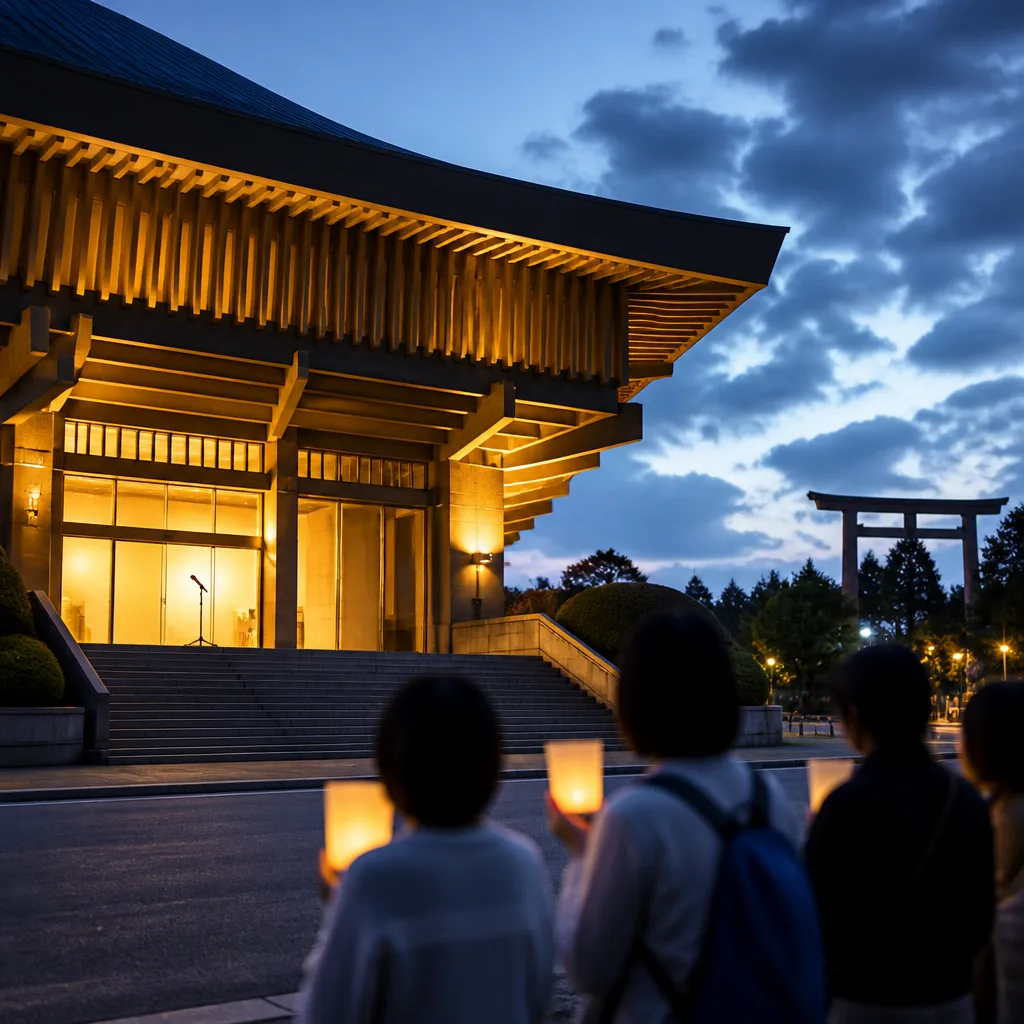
Instead of a shrine visit, Takaichi spoke at Budokan Hall — a short distance from the shrine — where she paid tribute to victims of wartime devastation in Hiroshima, Nagasaki and Okinawa and thanked those who died on overseas battlefronts for their role in building Japan’s postwar prosperity. Her address emphasised Japan’s contributions to global peace since 1945 and framed the country as a “dependable nation” in addressing international challenges, but did not include an explicit expression of remorse for wartime actions in Asia.
“Japan, since the end of the war, has consistently contributed to global peace and prosperity. We will never let the tragedy of the war be repeated,”
The decision to avoid the Yasukuni Shrine carried symbolic weight. The Shinto shrine honours more than 2.4 million people who died in wars, and has been a flashpoint for decades because it also commemorates 14 convicted World War II Japanese war criminals. Visits by senior Japanese politicians to the shrine are frequently criticised by Beijing and Seoul as evidence that Tokyo has not fully acknowledged or shown contrition for wartime atrocities.
Responses and regional tensions
Despite the prime minister’s absence, a number of senior figures did visit the shrine. Japanese Defence Minister Shinjiro Koizumi, three other cabinet ministers, three officials from Takaichi’s governing party, and a non-partisan group of lawmakers attended and offered prayers, underscoring continued domestic divisions over how to commemorate the past.
China’s Foreign Ministry registered a formal protest over the visits, accusing Japanese politicians of attempting to rewrite history, cover up wartime crimes, and pave the way for remilitarisation. The statement called on Japan to carry out “serious soul searching” and to make a clear break with militarism.
Relations between Tokyo and Beijing have been strained in recent months. Takaichi’s comments last November — that a Chinese attack on Taiwan might amount to a “survival-threatening situation” for Japan potentially requiring use of force — drew particular ire from Beijing and fuelled the diplomatic fallout reflected in Saturday’s reaction.
What Japan said — and didn’t say
Takaichi’s Budokan remarks sought to strike a dual note: commemorating victims at home and abroad while casting Japan as a constructive global actor. She did not, however, use the occasion to acknowledge specific wartime wrongdoings in Asia or to apologise, a silence likely to be noted in Seoul and Beijing.
South Korea’s president, Lee Jae Myung, reportedly responded to the day’s events by highlighting a pragmatic approach in official comments, reflecting Seoul’s continued sensitivity to symbolism around wartime commemoration.
- Prime minister: Sanae Takaichi — avoided Yasukuni, spoke at Budokan Hall
- Government visitors to the shrine: Defence Minister Shinjiro Koizumi, three other ministers, three governing party executives, and non-partisan lawmakers
- International response: China lodged a protest; South Korea noted its stance through presidential remarks
| Actor | Action on Anniversary |
|---|---|
| Sanae Takaichi | Did not visit Yasukuni; delivered address at Budokan |
| Shinjiro Koizumi & others | Visited Yasukuni and prayed |
| China | Protested visits; urged historical reckoning |
The episode illustrates the tightrope Japan’s leaders walk between domestic constituencies with divergent views of the nation’s wartime past and the diplomatic imperative to keep relations with neighbours stable. For Tokyo, the symbolism of where leaders choose to mourn can affect defence postures, security cooperation, and regional perception — all areas of ongoing concern for governments in East Asia and beyond.
As the anniversary observances concluded, the contrasting decisions by Japan’s top leaders — attendance at the shrine by several ministers and the prime minister’s deliberate absence — underscored the unresolved tensions at the heart of Japan’s postwar identity and its relations with China and South Korea.