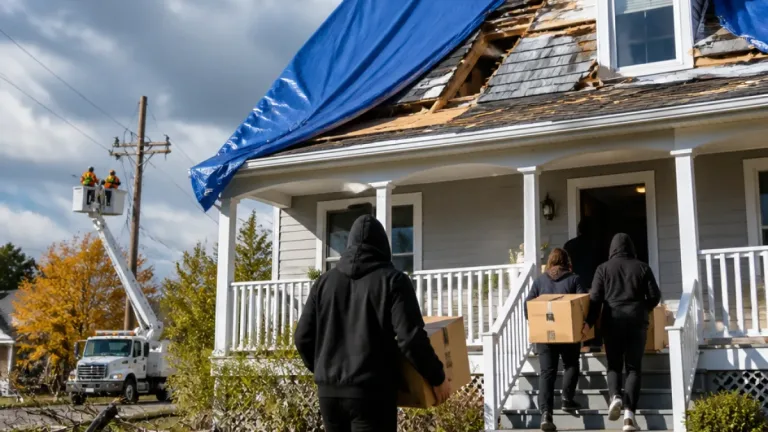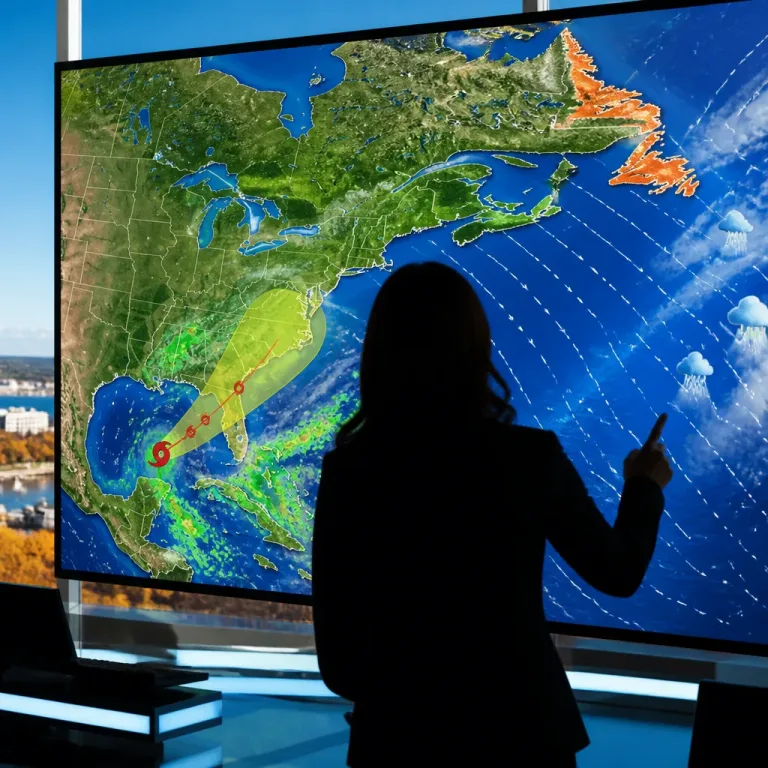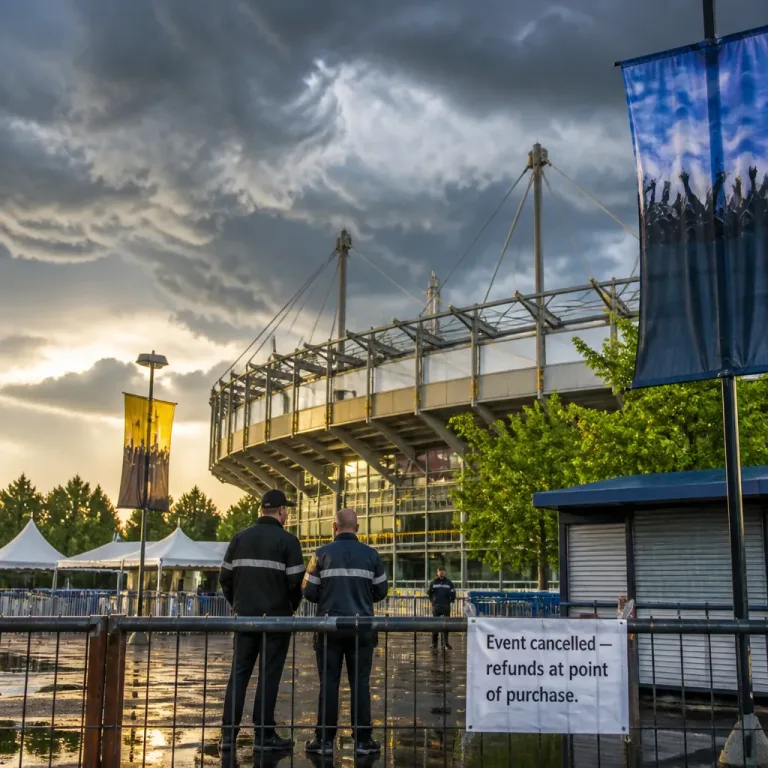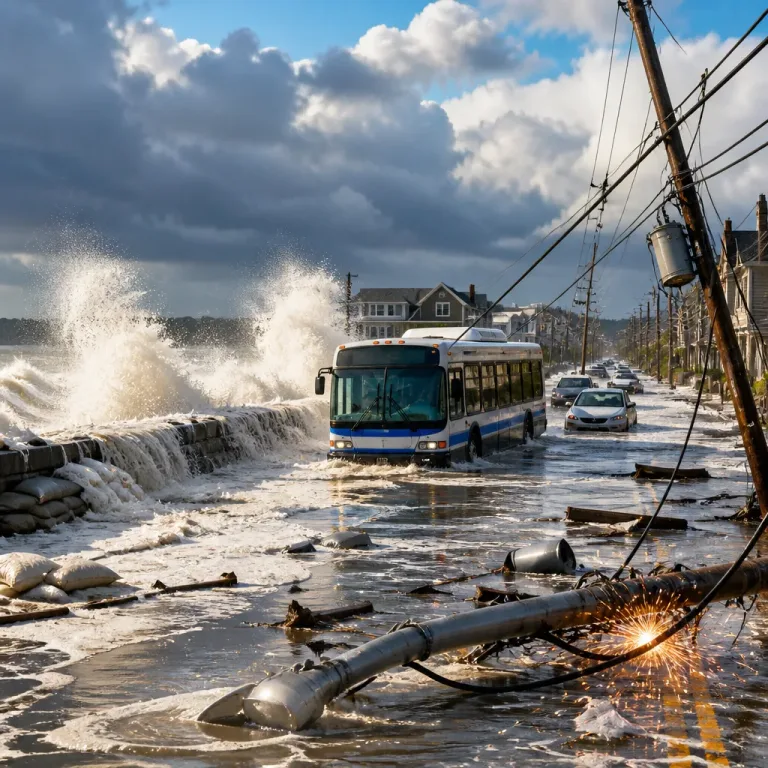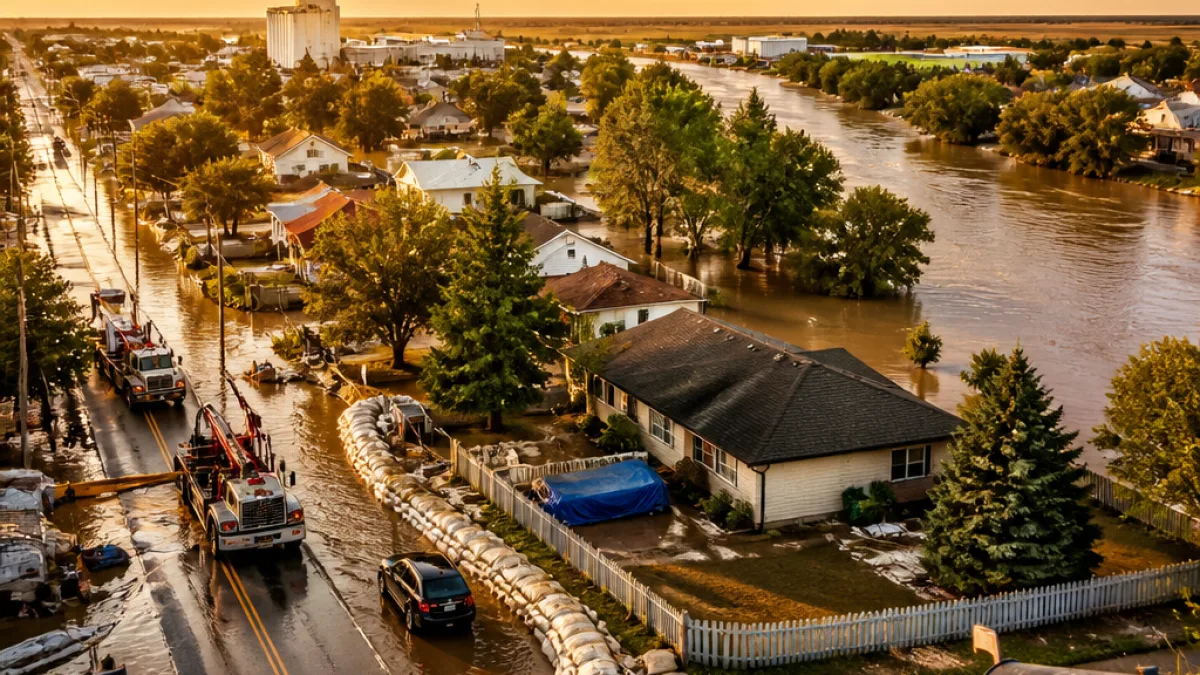
Residents across Saskatchewan should prepare for rising home and property insurance costs as extreme weather events increase, according to an insurance expert with the University of Waterloo. Thirty catastrophic weather events in the Prairies since 2021 have produced about $2.5 billion in insured losses, the expert said — roughly $1,000 per person over five years and an increase of 140 per cent compared with the previous five-year period. Those claims, he warned, will be recouped through higher premiums and by narrowing the scope of coverage.
How insurers calculate risk — and why it matters now
The expert explained that property insurers typically price risk using historical claims data across geographic units such as postal codes. They aggregate claims over an extended period — often a century — and spread the assessed cost across the number of policies in that zone. That pooled approach has worked when past patterns were a reasonable guide to the future.
“The issue,” he said, “is insurance has historically worked more or less by driving down the road by looking at the rear-view mirror.” With the frequency and severity of storms changing, past experience may no longer predict future loss.
"We’re coming into an era now where insurance is significantly outpacing the rate of inflation, and the costs in Canada have increased about 100 per cent over the last 10 years or so,"
The expert pointed to two main consequences for Saskatchewan homeowners and businesses: higher annual premiums at renewal and more frequent exclusions or restrictions for certain perils, such as flooding in high-risk zones or wildfire-prone properties. In some cases, homeowners with basements in designated flood-risk areas could face a lack of insurance for that exposure.
Numbers that illustrate the pressure
| Measure | Figure (from source) |
|---|---|
| Catastrophic weather events (Prairies since 2021) | 30 |
| Insured losses | $2.5 billion |
| Per-person cost (five years) | ~$1,000 |
| Increase vs previous five years | 140% |
| Approx. premium increase (Canada, last 10 years) | ~100% |
What this means for policyholders
For many people in Saskatchewan, the immediate effect will be seen at renewal time. Insurers reassess the risk in each servicing area and adjust pricing to reflect recent losses. Homeowners may also face:
- higher annual premiums;
- exclusions for specific perils, notably flood and wildfire in defined high-risk zones;
- tighter terms or higher deductibles for claims related to extreme weather.
Those changes could disproportionately affect households in low-lying communities or in areas near wildland-urban interfaces where wildfire risk is rising. The expert emphasised that insurance is a transfer of risk across a pool — when claims in that pool grow rapidly, the pool becomes more expensive for everyone.
Adaptation is the proposed solution — and it requires investment
Insurers and experts argue that reducing future claims requires investment in adaptation measures that lower the underlying risk rather than merely shifting costs. That can include better flood mapping, stronger building codes, infrastructure upgrades and targeted mitigation for wildfire-prone communities.
Those sorts of investments — public and private — change the equation for insurers because they lower the likelihood or severity of future claims. Without them, the expert warned, the trend toward higher costs is likely to continue.
What readers can do now
Homeowners and tenants in Saskatchewan should review their policies carefully before renewal, asking their broker or insurer about:
- what perils are included or excluded;
- whether flood or wildfire coverage is limited in their postal code;
- options to reduce risk through property-level mitigation (e.g., sump pumps, defensible space for wildfire).
While insurance markets adjust, the practical steps that reduce damage from storms and fire can both protect families and, over time, make properties more insurable at reasonable cost.
This discussion is unfolding as communities across the Prairies confront a noticeably different weather reality than a decade ago. For Saskatchewan residents, the question now is not only how to pay for the rising costs but how to invest in avoiding them.