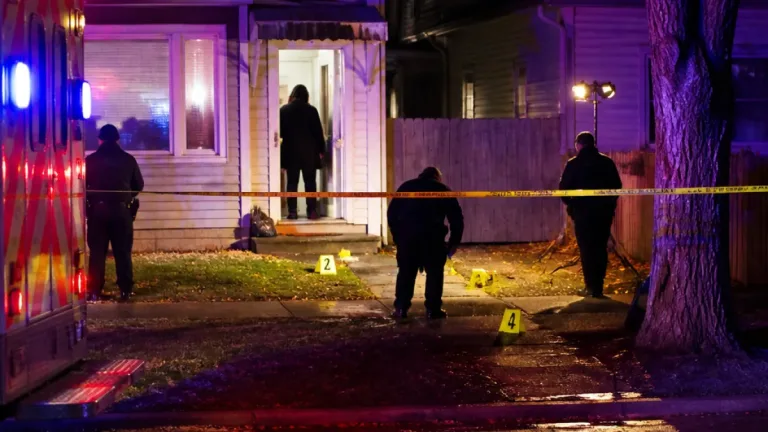
The Independent Investigations Office of British Columbia (IIO) has concluded its review of an April 15 incident in Quesnel that left a man in hospital with a gunshot wound and has cleared the RCMP officers involved.
How the incident unfolded
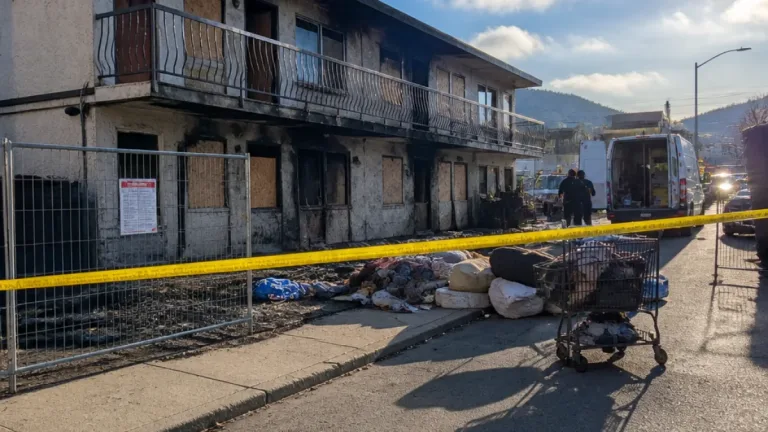
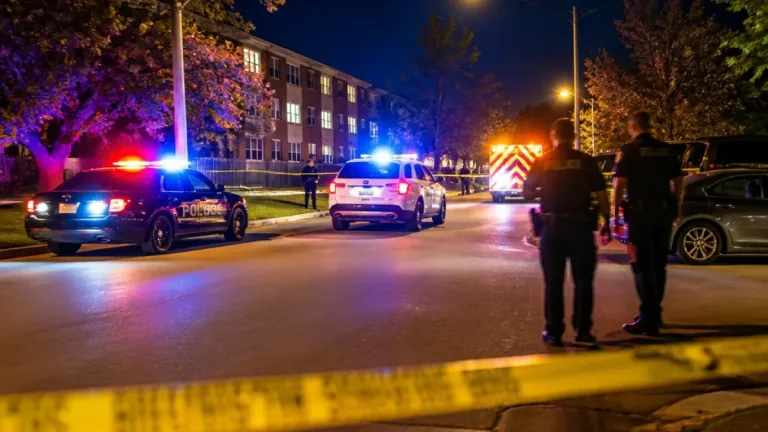
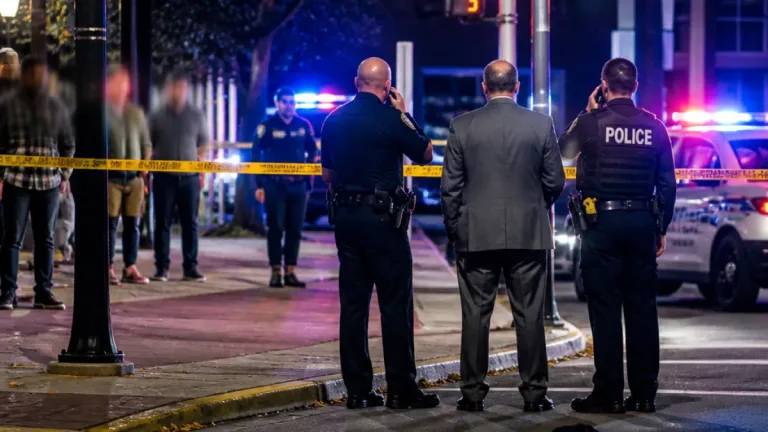
Police were called to a residence in the 500 block of Nason Street at about 4:30 p.m. on April 15 after reports of gunshots and information that a man at the property was in possession of a firearm. Members of the RCMP, including the Emergency Response Team (ERT), established containment around the area as officers dealt with the situation.
Neighbours were instructed either to evacuate their homes or to shelter in place in their basements while policing resources managed the scene. When officers later entered the residence, they located a man suffering from what was reported as a self-inflicted gunshot wound. He was transported by ambulance to hospital for assessment and treatment.
Investigative oversight and conclusion
The IIO — the civilian agency charged with probing incidents involving police where there is death or serious harm — examined the RCMP response. The agency has now closed its investigation and, according to reporting, did not advance any charges against the officers who attended.
The IIO’s role is to determine whether the conduct of police may have caused or contributed to serious harm or death. In this case the agency concluded its inquiry and cleared the Mounties who responded.
Local impact and community reaction
The presence of ERT officers, containment of a neighbourhood and orders for residents to evacuate or shelter would have heightened anxiety for nearby households. Incidents involving firearms and heavily armed police units can raise questions in small communities about safety, mental-health supports and police tactics.
Although details about the man’s condition following hospital transfer were not released by investigators, the response from civilian oversight that results in no charges is likely to prompt differing reactions in Quesnel — from relief that the situation did not escalate to criticism from those who want greater transparency around tactical interventions and outcomes.
Timeline at a glance
| Date | Time | Location | Outcome |
|---|---|---|---|
| April 15, 2026 | ~4:30 p.m. | 500 block of Nason Street, Quesnel | Man located with apparent self-inflicted gunshot wound; taken to hospital; IIO closed investigation |
Questions for policing and health systems
Episodes like this intersect with broader provincial issues: how to prevent firearm-related harms, how best to deploy tactical police units, and how to integrate mental-health crisis response with public safety strategies.
Public oversight bodies such as the IIO are intended to provide independent review when serious harm occurs. Their findings — whether they clear officers or recommend charges — shape public confidence in policing and can influence training, policy and community relations.
- Emergency response: ERT and RCMP containment were used to secure the scene.
- Public safety measures: Residents instructed to evacuate or shelter in basements while police managed the area.
- Oversight outcome: IIO concluded its investigation and cleared the officers involved.
What’s next
With the IIO file closed, further public information will depend on what local police choose to release and whether the hospital or family provide updates on the man’s condition. The episode underscores ongoing discussions in British Columbia about crisis intervention models that combine mental-health expertise and public-safety resources.
As communities like Quesnel evaluate local responses to critical incidents, residents and public officials often call for clear communication from police and independent investigators so that lessons can be learned and trust maintained.
Reporting for this article relied on the IIO’s publicly available conclusions and accounts of the April 15 response in Quesnel. Additional details may be released by the IIO or the RCMP as they review internal procedures or make information public.