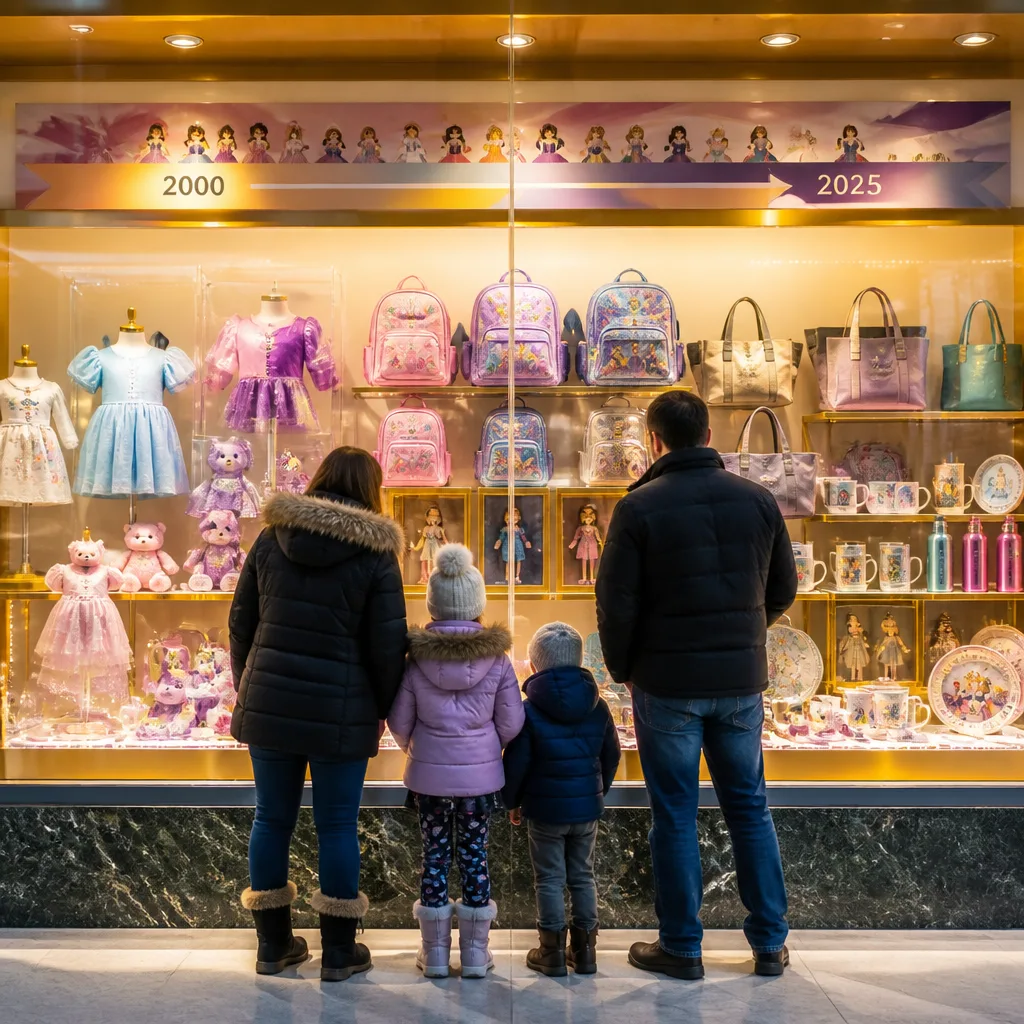
Disney Princess has evolved from a children’s character line into a global lifestyle franchise that reaches shoppers from toddlers to adults, reshaping how families and fans engage with branded products.
From eight characters to a lifestyle pipeline
The brand was formally launched in 2000 with eight princesses: Ariel, Belle, Cinderella, Jasmine, Mulan, Pocahontas, Sleeping Beauty and Snow White. It now includes five more characters — Moana, Rapunzel, Tiana, Merida and Raya — bringing the total to 13.
At launch the company recorded about $300 million in individual Princess merchandise sales. Within five years the franchise had surpassed $3 billion in worldwide retail sales, according to archival reporting and statements from Disney Consumer Products executives.
What the numbers and strategy tell us
The transformation shows two clear trends: first, character franchises can be engineered into enduring lifestyle brands; second, strategic licensing and product diversification can expand a fanbase across age groups. Disney Consumer Products has broadened the franchise beyond traditional toys and costumes into a wide product pipeline that includes apparel, collectibles and items aimed at adults as well as children.
Paul Gitter, Executive Vice-President of Brand Commercialization at Disney Consumer Products, described the franchise’s approach to growth and engagement:
"As one of Disney’s most iconic franchises, Disney Princess has grown into a global lifestyle brand that connects with consumers across generations. Through strategic licensing collaborations, product innovation, content and experiences that engage both new generations and lifelong fans, the brand continues to evolve while creating meaningful opportunities for sustained consumer engagement and long-term growth."
The quote underlines the company’s emphasis on licensing partners, product innovation and experiences as tools to keep the brand relevant for both new and returning customers.
Why that matters for shoppers and retailers
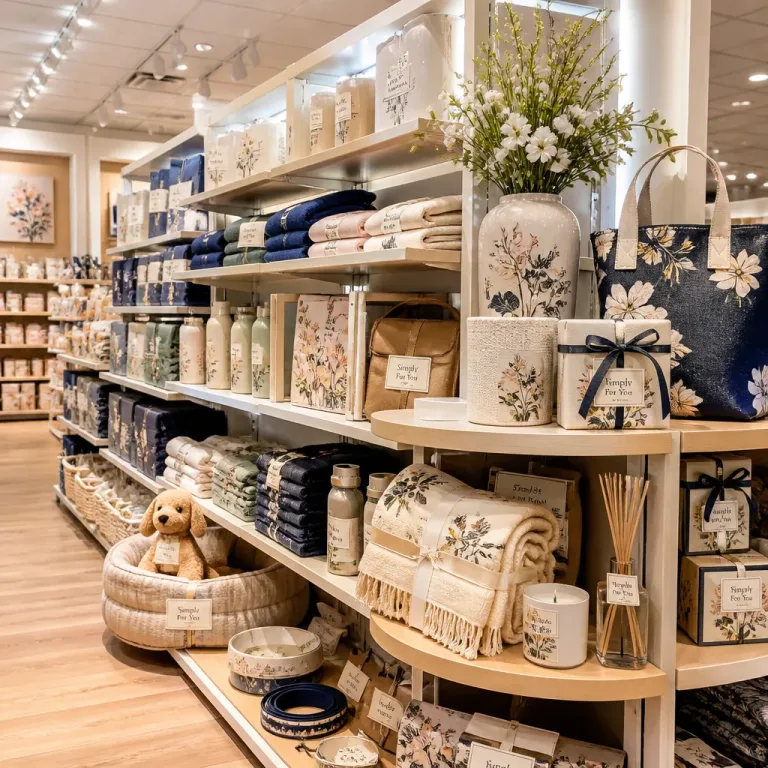
For households, the change means princess-branded products are increasingly visible beyond the toy aisle: collectors’ items, home goods, and fashion tie‑ins are part of the broader merchandising mix. For retailers and licencees, the franchise demonstrates the commercial upside of extending intellectual property into lifestyle and adult markets.
Key elements of the franchise’s expansion include:
- Character expansion — adding five princesses since 2000 to modernize storytelling and represent different cultures and backgrounds.
- Licensing and collaborations — working with partners to create products across categories and price points.
- Content and experiences — using media and park or retail experiences to strengthen emotional connection and drive product demand.
| Milestone | Detail |
|---|---|
| Year formed | 2000 (8 princesses) |
| Princess roster | Now 13 princesses |
| Early sales | Initial $300 million in merchant sales; $3 billion within five years |
Practical takeaways for consumers
If you’re shopping for a child or collecting as an adult, expect to see a growing variety of Disney Princess merchandise aimed at different life stages. Those who value diversity and representation will notice newer additions such as Moana and Tiana, which expand cultural narratives in the franchise. For buyers seeking longevity in purchases, products tied to limited editions, licensing collaborations or experiential offerings (for instance, park events or themed retail activations) are where emotional and resale value often concentrate.
For brands and licence holders, Disney Princess is a case study in converting a children’s character lineup into a multi‑tier lifestyle ecosystem by aligning product assortments, experiences and storytelling to multiple age groups.
As the franchise continues to adapt, expect licensing partnerships and product innovation to drive the next phase of growth while keeping the characters relevant to both new fans and lifelong enthusiasts.