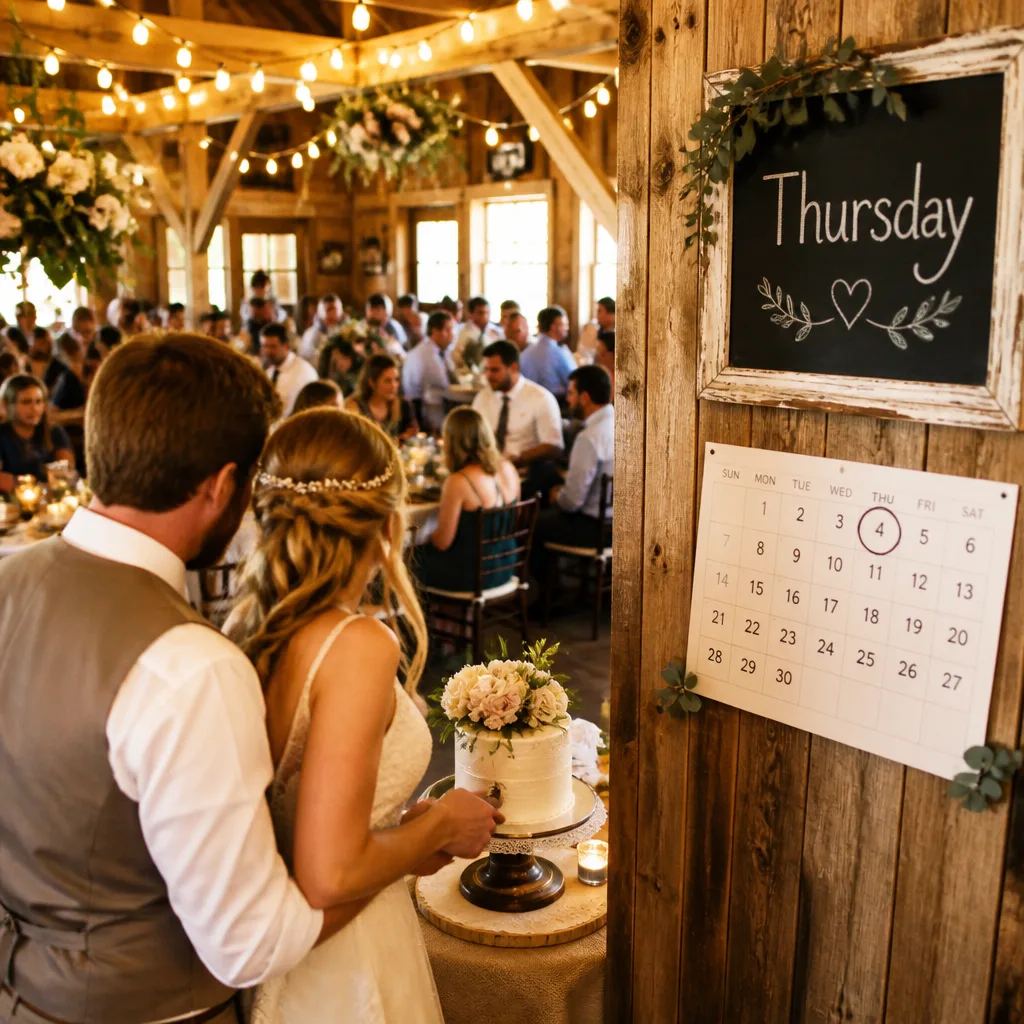
Couples are increasingly moving away from the traditional Saturday ceremony in favour of weekday nuptials as a practical way to reduce costs, secure preferred venues and turn a wedding into a longer celebration. The shift is especially evident for those with smaller guest lists or destination venues where weekend demand pushes prices and minimums higher.
Why couples are choosing weekdays
Jessica and Nathan Phillips from Melbourne married on a Thursday and estimated their choice made the celebration roughly $20,000 cheaper than having tied the knot two days later on a Saturday. They invited about 80 guests, which clashed with many venues’ Saturday minimums of around 100 people.
“I would choose a weekday wedding again in a heartbeat,” Jessica Phillips said. “If you are on the smaller side of guest numbers, it might not make much economic sense to have a Saturday wedding.”
For the Phillipses, the weekday date also created practical advantages: a long weekend for guests and the option to continue festivities the next day with a recovery brunch. They chose Mitchelton Winery in Victoria in part because the venue offered more relaxed rules for a midweek event, and the couple found that preferred vendors were more readily available.
Industry response and changing popularity
Industry figures say the trend is noticeable. Darcy Allen, general manager at Easy Weddings, told Yahoo Lifestyle that Thursdays have increased in popularity and have now overtaken Sundays as the third most common wedding day.
“Top venues often book Saturdays out years in advance. Whereas now you can still get the dream venue on a Thursday for a fraction of the cost,” Darcy Allen said.
The pandemic is cited by some in the industry as a catalyst for this change, with booking patterns and guest expectations shifting in recent years. Couples seeking savings or a more intimate celebration are finding weekday dates offer flexibility many venues can leverage to fill traditionally quieter nights.
Practical takeaways for couples planning a wedding
Couples considering a weekday wedding should weigh advantages and potential downsides. The savings can be considerable, but logistics for guests — time off work, travel and accommodation — require extra planning and clear communication.
- Cost savings: Weekday rates and lower minimum guest counts can significantly reduce venue and vendor costs.
- Venue access: Desired venues and vendors are more likely to be available midweek.
- Guest logistics: Allow additional notice so attendees can arrange time off and travel.
- Extended celebrations: Scheduling can enable multi-day events like a post-wedding brunch.
For couples with a local guest list, the inconvenience of a weekday date may be manageable. For destination weddings or venues outside major urban centres, the need for guests to take time off work becomes a more significant consideration.
Simple planning checklist
Couples who want to pursue a weekday wedding can use a short checklist to keep planning on track:
- Confirm venue weekday pricing and minimums.
- Survey essential vendors about midweek availability.
- Communicate dates early so guests can make travel or leave arrangements.
- Consider adding a welcome event or recovery brunch to maximise the experience.
| Day | Trend note |
|---|---|
| Saturday | Traditionally the most sought-after day; frequently booked years in advance |
| Thursday | Rising in popularity; now reported as the third most popular wedding day |
| Sunday | Has dropped behind Thursday in recent data from Easy Weddings |
Choosing a weekday wedding is less about rejecting tradition and more about aligning priorities — budget, guest experience and access to preferred venues. For many couples, the trade-offs deliver a celebration that better fits their style and financial goals while still offering a memorable experience for family and friends.
For those planning, the takeaway is simple: if budget and venue access are priorities, a weekday date may be worth serious consideration — provided guests are given time to plan around the schedule.