Smallholder pig producers around Ugie in the Eastern Cape have reported a sudden and severe die-off among their herds, prompting fears of an outbreak of African swine fever (ASF). Residents say losses are widespread and some farmers have slaughtered animals pre-emptively as the disease appears to spread quickly.
What farmers are seeing
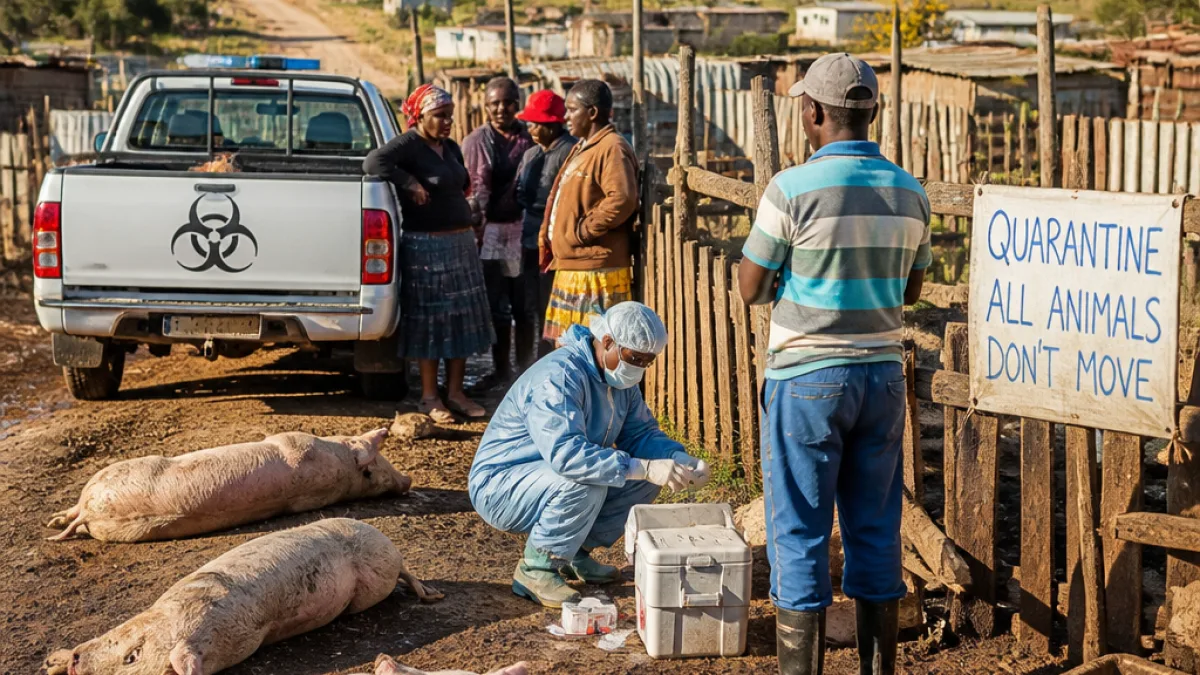
According to reporting by SABC, farmers in the rural community described pigs losing weight, refusing to eat and exhibiting unusual behaviour before dying. Several households that rely on livestock for income and food security are among those affected.
“We have recently noticed that our pigs are losing weight and they are not eating. They just stay away from home, they run away to the bushes to stay there and when you try to bring them back, you find that they are mentally disturbed. So, we have got that problem here, so our pigs are dying like nothing. All of them are gone, even the one that has just gave birth with piglets, all of them are gone now.”
The report did not provide a precise count of animals lost, nor an estimate of the financial impact on households. Small-scale and communal farmers in the area typically keep modest herds that represent a significant share of household assets.
Response from veterinary authorities
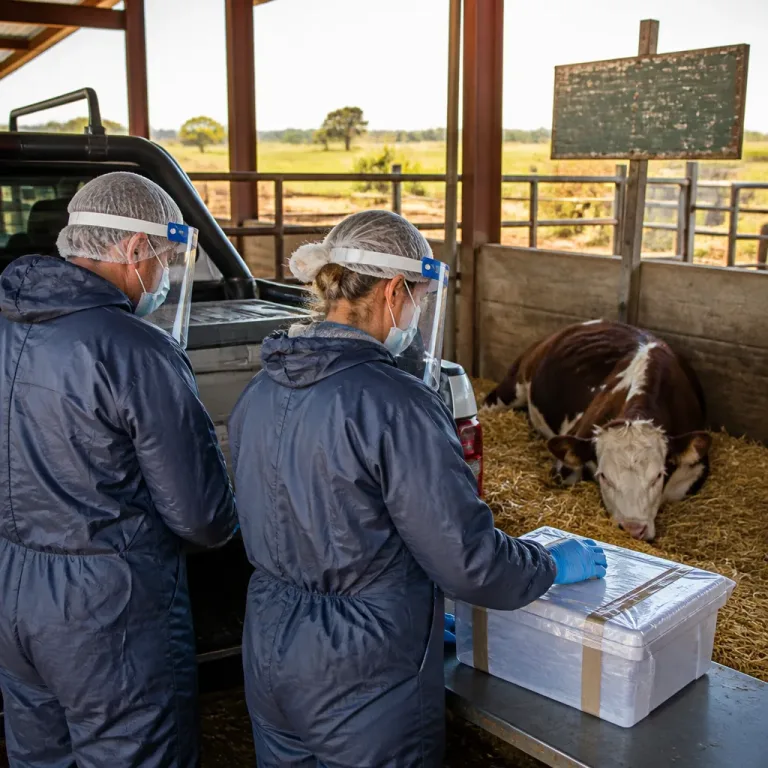
Provincial agriculture authorities have dispatched veterinary officers and animal health technicians to the affected area to investigate and collect samples for laboratory testing. The department suspects the illness may be African swine fever because of its high mortality and rapid spread among pigs in confined settings, SABC reported.
Officials emphasised that laboratory confirmation is required to make a definitive diagnosis. Further steps — including containment measures, movement restrictions and farmer guidance — will depend on the laboratory results and a risk assessment by the authorities.
Why African swine fever is concerning
African swine fever is a viral disease of domestic and wild pigs that can cause sudden, severe losses. Although it does not affect humans, an outbreak can devastate small producers and complicate commercial pork production and trade. The virus is hardy and can spread through direct contact between pigs, contaminated equipment, feed, clothing and transport vehicles.
- ASF causes high mortality in domestic pigs and wild suids.
- There is no vaccine currently available for widespread use in most affected regions.
- Control relies on rapid detection, biosecurity measures and, where necessary, culling and safe disposal of infected carcasses.
For small-scale farmers, the loss of a few breeding sows or growing stock can mean the loss of both income and a source of nutrition. That reality is central to the community’s call for a swift, co-ordinated response.
Practical steps local farmers should follow
While laboratory confirmation is pending, veterinary authorities typically advise the following measures to reduce spread and protect unaffected herds:
- Limit movement: do not move pigs, vehicles, feed or equipment between farms unless authorised.
- Enhance biosecurity: clean and disinfect footwear, clothing and equipment; keep pigs confined and away from wild suids.
- Report suspect cases: contact local veterinary services promptly if pigs show unusual illness or sudden deaths occur.
- Safe disposal: do not slaughter, sell or give away sick animals; follow official guidance for carcass disposal if instructed.
These are standard containment steps and will be adapted by authorities once laboratory results are available and the epidemiology is better understood.
What happens next
The next step is laboratory confirmation of the samples collected by provincial teams. If African swine fever is confirmed, the agriculture department will outline containment measures and farmer support options. Details on compensation or assistance for affected smallholders were not included in the SABC report.
The South African farming sector has previously faced outbreaks of transboundary animal diseases. Rapid detection and transparent communication are key to limiting spread and protecting both subsistence producers and commercial operations. Rural communities in and beyond Ugie will be watching for clear guidance from veterinary services in the coming days.
Further updates are expected once test results are returned and provincial authorities publish their assessment and planned interventions.