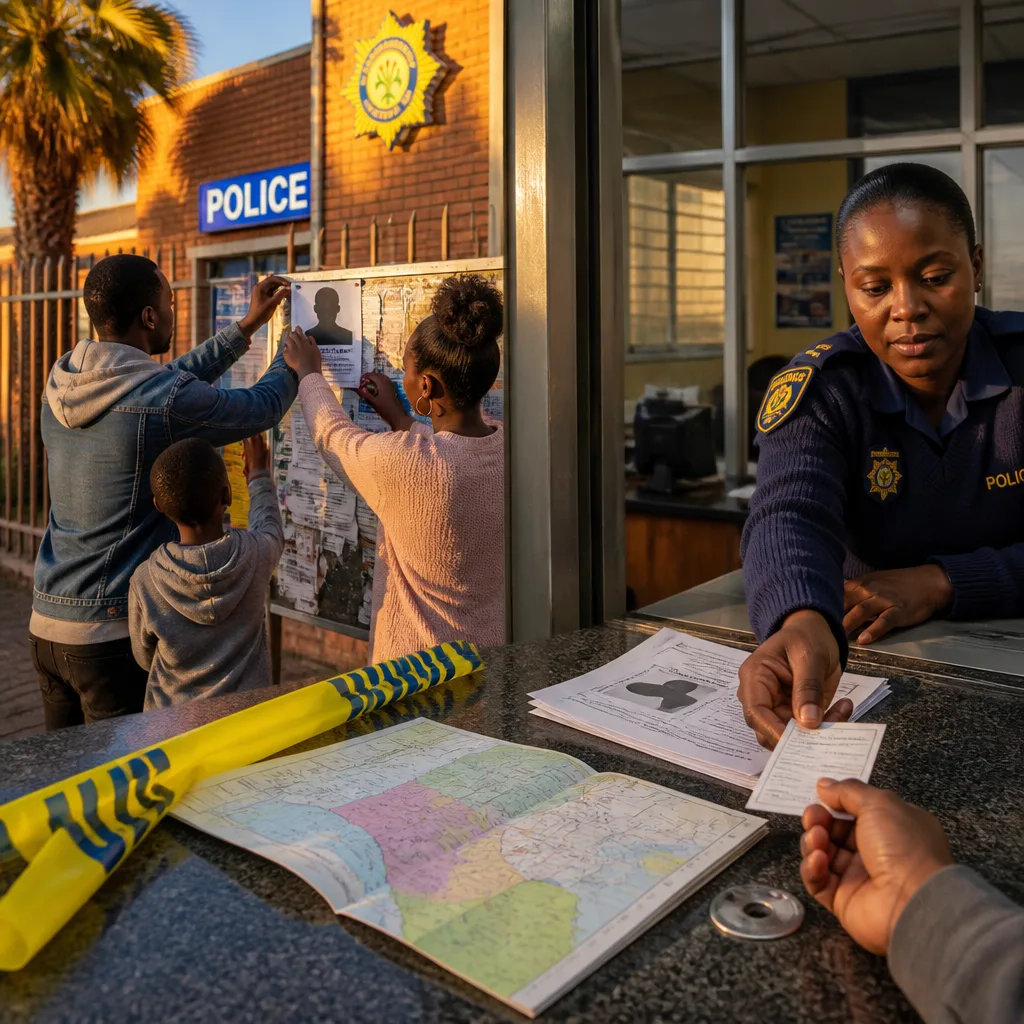
The South African Police Service (SAPS) has confirmed there is no 24‑hour waiting period for reporting a missing person, Missing in Southern Africa (MISA) announced on 15 September amid concerns raised by recent discoveries of bodies in parts of Ekurhuleni.
Immediate reporting vital, MISA says
MISA urged families and communities to lodge a report at the nearest police station as soon as there is reasonable concern that someone is missing, rather than delaying because of a perceived waiting rule. The organisation stressed that early notification can be critical to enabling investigative and search steps to start without avoidable delay.
According to MISA, families should supply investigators with clear and practical information to assist searches and follow‑up. The organisation further encouraged families to obtain and keep the details of the investigating officer and to maintain regular contact as the matter progresses.
“Every missing person must be treated seriously. Whether the person is a child, woman, man or elderly person, early reporting can be critical to ensuring that the necessary investigative and search processes begin as soon as possible,”
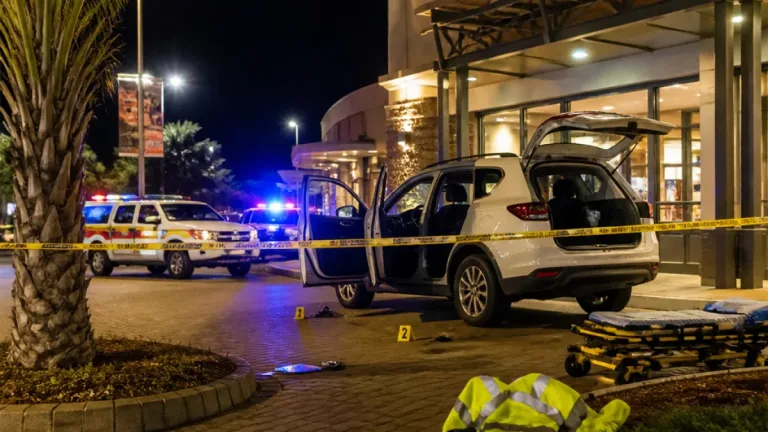
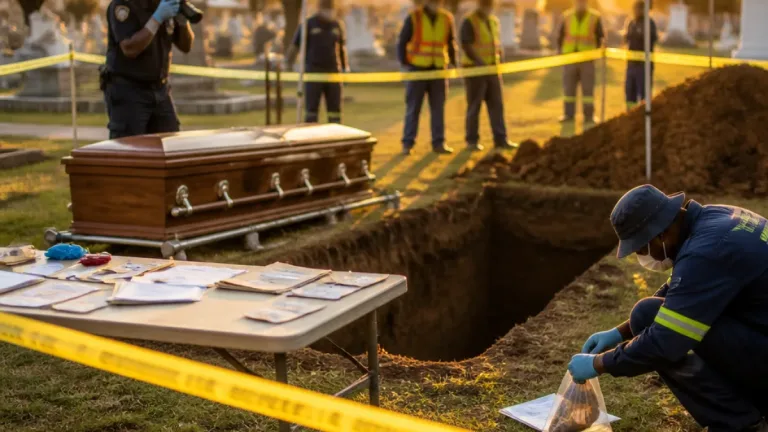
MISA’s advisory followed reports of bodies found in parts of Ekurhuleni, including Kempton Park, Kwa‑Thema and Tembisa. The organisation said these discoveries underline that time is often of the essence in missing‑person matters and that communities should not assume someone will return on their own.
What families should provide to police
MISA listed the types of information that can assist police and search teams. Families and witnesses are urged to provide as much of the following as possible when reporting a disappearance:
- Recent photograph of the missing person
- Last known location and time they were seen
- Description of clothing and physical characteristics
- Any medical conditions, medication needs or vulnerabilities
- Details of the missing person’s movements, contacts and state of mind before disappearance
| Action | Why it matters |
|---|---|
| Report immediately at the nearest police station | Starts formal investigation and search processes |
| Obtain investigating officer’s details | Maintains communication and allows updates to be shared promptly |
MISA also called on SAPS to prioritise missing‑person investigations and to strengthen co‑operation between police units, search and rescue teams, forensic services, community organisations and other relevant stakeholders.
Practical steps for families and communities
Beyond reporting, MISA advised that any new information about the missing person be relayed to the investigating officer without delay. The organisation highlighted the particular vulnerability of children, older persons and others who may have limited capacity to seek help.
Community coordination was recommended: simple, co‑ordinated local searches and prompt information sharing with police and community groups can assist while formal resources are mobilised. MISA also encouraged communities to support families through the reporting process, including helping them to compile photographs and records of recent movements.
The SAPS confirmation removes a common barrier to reporting, but gaps remain in public understanding of procedure and in resourcing for searches and forensic follow‑up. MISA’s appeal underscores both the human stakes of delay and the need for stronger operational links between local police and partner services when someone goes missing.
Families uncertain about whether to report are advised to contact their nearest police station immediately if there is reasonable cause for concern. Prompt reporting begins the official record and the processes that may lead to locating the missing person or establishing their welfare.