
DA RNALL, KwaZulu‑Natal — The South African Farmers Development Association (SAFDA) says sugarcane harvesting operations in KwaZulu‑Natal are stabilising after the recent departure of foreign nationals who had been cutting cane ahead of delivery to local mills.
Supply maintained despite workforce changes
Speaking in Darnall, where SAFDA maintains a warehouse and equipment park, the organisation’s executive chairman, Dr Siyabonga Madlala, said the sector had been hit by the so‑called “Abahambe Campaign”, which led to the repatriation of many migrants from neighbouring countries. He said the disruption was limited and that mills had not stopped due to lack of cane.
“It’s a fact in this country that our South Africans don’t like the job of cane cutting,” Madlala said, noting a historical pattern in which labour was brought in from elsewhere because local communities were reluctant to cut cane.
Madlala pointed to the legacy of indentured Indian labour brought in during the 1800s and to a continuing trend of migrant labourers and workers from other provinces, such as the Eastern Cape, performing much of the cutting in KwaZulu‑Natal and Mpumalanga.
Equipment and support for emerging farmers
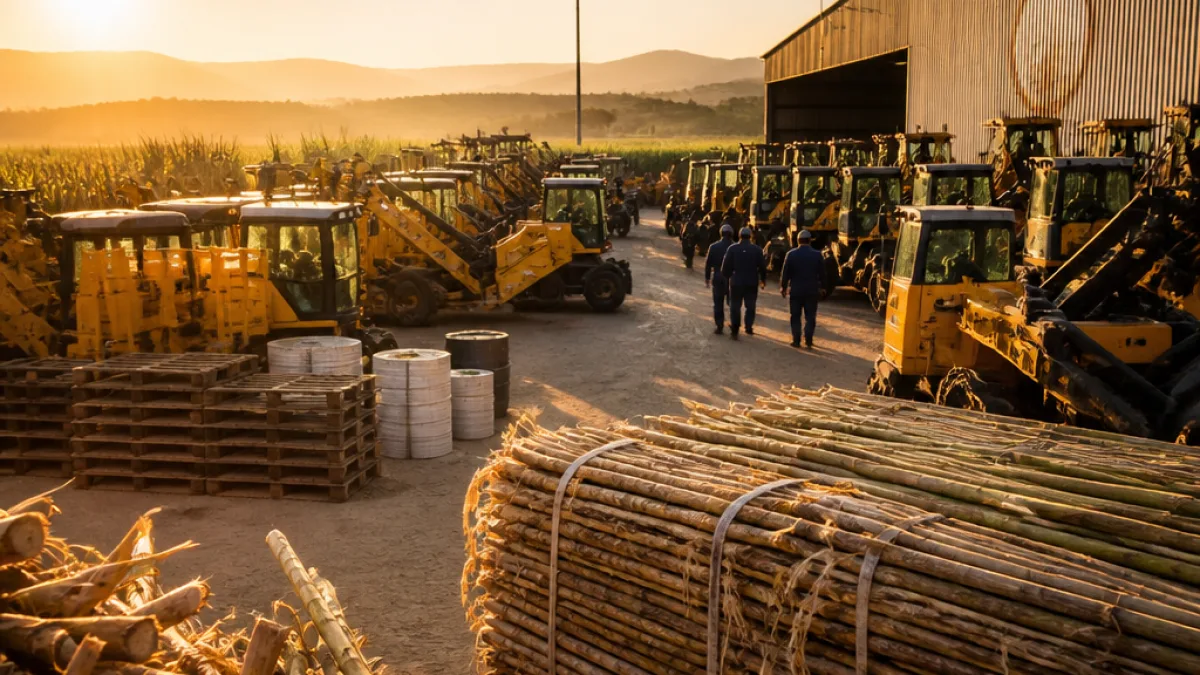
SAFDA, which focuses on supporting emerging and black sugarcane farmers, highlighted its local infrastructure in Darnall, including a warehouse and a fleet of yellow plant equipment valued at R17 million. The organisation emphasised that, despite the upheaval, operations were now “running smoothly”, according to Madlala.
| Item | Details |
|---|---|
| Location | Darnall, KwaZulu‑Natal |
| Equipment value | R17 million |
| Primary focus | Emerging and black sugarcane farmers |
Longstanding labour dynamics under scrutiny
Madlala said the reported labour shortage during the Abahambe operations reflected deeper, long‑term patterns rather than an immediate crisis. He said some workers who were legally present left their jobs because they felt unsafe, compounding short‑term staffing pressures.
SAFDA’s chief operations officer, Thandokwakhe Sibiya, was also referenced by the organisation in relation to operational matters, though SAFDA maintained the overall message that supply to mills had not been interrupted.
What this means for farmers and millers
For smallholder and emerging cane growers, the departure of cutters can translate into delays in harvesting windows, potential loss of cane quality and increased costs if alternative labour or mechanised solutions must be sought. SAFDA said stability was returning, but reiterated that recruiting a local workforce remains difficult because many South Africans are unwilling to undertake cane cutting.
- Immediate effect: No reports of sugar supplies halting to mills in the province.
- Operational response: SAFDA cites an upturn in stability after departures related to the Abahambe campaign.
- Longer term challenge: Persistent reluctance among local communities to take up cane‑cutting work.
Policy and labour considerations
The situation highlights recurring labour questions for the sugar sector: whether to promote mechanisation, to invest in incentives or training for local workers, or to negotiate regulated migrant labour arrangements. SAFDA’s comments underline that these are not new issues — they reflect historical labour patterns that continue to shape production today.
For now, SAFDA’s public statements aim to reassure growers and mill operators that the immediate impact of the recent departures has been managed. Stakeholders in the supply chain will be watching closely for signs of renewed labour shortfalls as the season progresses.
Further statements from SAFDA or the sugar mills would clarify how harvest schedules and labour recruitment will be handled in the coming months.













