Extreme heat across Asia is emerging as a major health threat, affecting workers’ wellbeing and amplifying risks to food systems, infrastructure and public health, according to a United Nations‑led report and accounts from frontline workers.
Heat already harming workers and public health
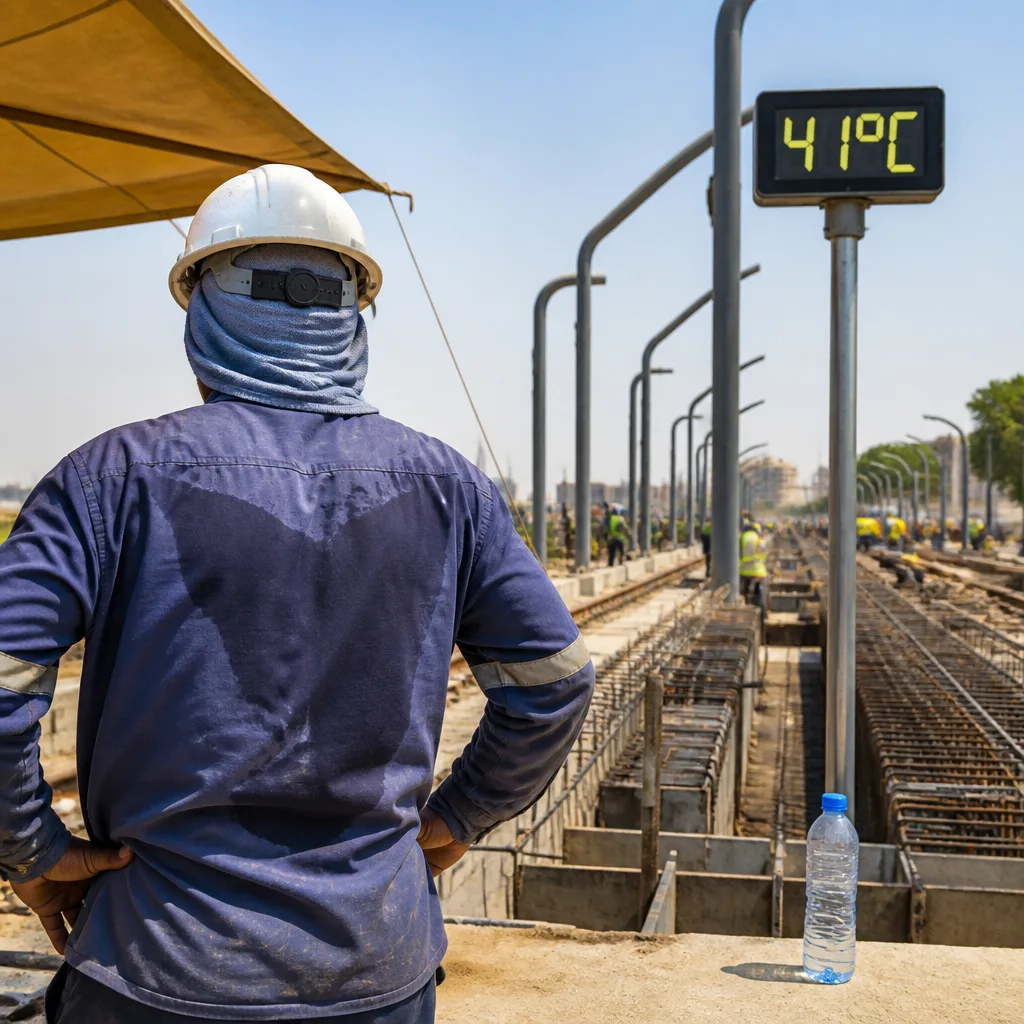
Romuel Delos Santos, a 27‑year‑old rail construction worker in Metro Manila, told media he developed persistent headaches and heat rashes after prolonged exposure to high temperatures while cutting and installing steel bars. To cope, he now drinks more water and takes breaks in shaded areas his employer provides.
“I used to be able to endure the hot weather by wearing long‑sleeved shirts, but now the heat just seeps through my clothing,” Romuel said.
The World Meteorological Organization (WMO), in a report cited by the United Nations Economic and Social Commission for Asia and the Pacific (ESCAP), found the annual mean temperature over Asia in 2025 was 0.96°C ± 0.08 above the 1991–2020 average. Depending on the dataset used, 2025 ranked between the second and fourth warmest year on record for the region.
Armida Salsiah Alisjahbana, undersecretary‑general of the United Nations and executive secretary of ESCAP, said heat is compounding multiple hazards across Asia and the Pacific and placing fresh pressures on health and livelihoods.
“Across Asia and the Pacific, heat is intensifying multi‑hazard risks, intersecting with food systems, public health, infrastructure and oceans and placing new pressures on health and livelihoods,” she said, as reported.
What the data shows and why it matters
The WMO data points to a clear upward trend in heat exposure across Asia. Even modest increases in average temperatures can raise the frequency, intensity and duration of extreme heat events — with direct consequences for human health, especially for outdoor workers, older adults, children and people with chronic illness.
- Occupational health: Workers exposed to prolonged heat face heat rash, headaches, heat exhaustion and a higher risk of heatstroke. Productivity and safety can decline when workers are compromised by heat.
- Health systems: Rising heat can increase demand for emergency services and strain primary care for heat‑related illnesses and exacerbations of chronic conditions.
- Food and water security: Heat interacts with drought and agricultural systems, threatening food availability and nutrition — with downstream health effects.
Those intersections are particularly concerning for low‑income communities and informal workers who often lack access to cooling, paid breaks or occupational health protections. Employers and policymakers are being asked to consider adaptive measures, from work‑rest cycles and shade provision to systemic changes that reduce heat exposure.
| Metric | Reported value |
|---|---|
| Asia annual mean temperature anomaly (2025) | 0.96°C ± 0.08 above 1991–2020 average |
| 2025 regional ranking | 2nd–4th warmest year on record (dataset dependent) |
Practical health advice and policy implications
For individuals, basic precautions such as regular hydration, access to shaded rest areas, lighter clothing where appropriate and avoidance of strenuous activity during peak heat can reduce risk. Employers should consider scheduled rest breaks, water provision and monitoring of workers for early signs of heat illness. Health practitioners should remain alert to heat‑related presentations and advise patients, particularly those with chronic conditions, on prevention and when to seek care.
Policymakers face a broader task: integrating heat into public health planning, occupational safety regulations and urban design. The WMO report and UN‑ESCAP commentary underline that heat is not only a meteorological concern but a cross‑sectoral health threat that demands coordinated responses.
Readers concerned about symptoms such as fainting, severe headache, confusion, vomiting or an inability to sweat should seek immediate medical attention. For non‑urgent advice, consult a local clinic or your medical practitioner rather than self‑diagnosing.
The heat crisis unfolding in Asia offers a cautionary lesson for other regions, including southern Africa: as global temperatures rise, both frontline workers and health systems will need stronger protections and preparedness measures to prevent avoidable illness and death.