The country faces what one reader describes as a “political volcano” as municipal elections draw near, with the writer warning that collapsing infrastructure, widening poverty and entrenched corruption are accelerating public discontent.
Alarm ahead of municipal vote
In a letter published by the Sowetan, the author says the country is approaching “the most crucial municipal elections since the birth of democracy” and predicts that the outcome will reverberate across the region. The letter paints a bleak picture: infrastructure across sectors is said to be disintegrating; the poor are trapped in worsening conditions while a small elite enjoy comfort; and corruption is described as the central affliction of the political system.
Although the piece is a personal view and not an empirical survey, it frames the elections as a referendum on governance and public morality. The writer calls for a new economic order founded on higher standards of morality and leaders who are “clean and untainted” by the practices of the past 15 years.
“A political volcano is simmering beneath the surface, gathering momentum, as poverty widens into a frightening trajectory.”
What the letter identifies as core problems
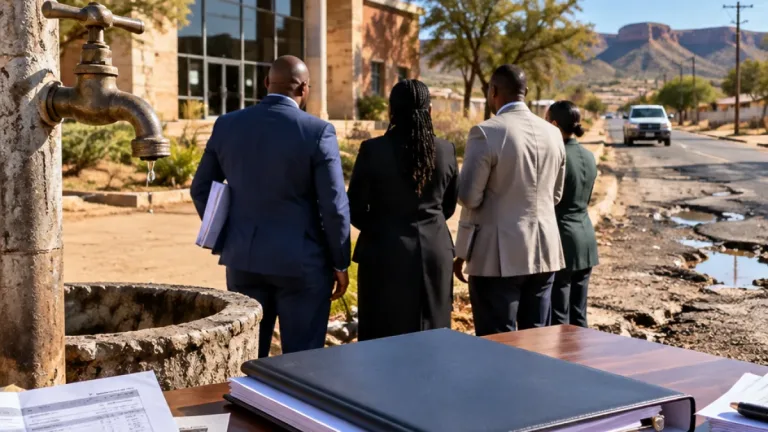
- Infrastructure failure: The writer asserts deterioration across virtually every sector of the economy, describing the situation as a near-collapse without intervention.
- Rising poverty and inequality: The letter contrasts widespread destitution with the lifestyle of the elite, saying the poor have been left to “swim aimlessly in abject poverty”.
- Political corruption: Corrupt politicians are labelled the “bane” of politics, blamed for much of the country’s economic and social decline.
The author warns that without decisive change, the political temperature will continue to rise and the consequences of the municipal vote will be felt beyond municipal boundaries.
Implications for voters and politicians
The letter positions the municipal elections as a potential turning point. It implies that voters frustrated by service delivery failures, economic hardship and perceived corruption may seek alternatives to incumbents. The writer’s call for a new ethical approach to public office underlines an expectation that electoral outcomes should deliver both administrative competence and moral renewal.
Who benefits and who pays, the letter suggests, will depend on the quality of leadership elected: those who can credibly promise and deliver effective governance would benefit the broader public, while continued patronage and mismanagement will likely deepen costs for ordinary citizens in the form of deteriorating services and economic exclusion.
| Problem identified | Stated consequence |
|---|---|
| Infrastructure disintegration | Nationwide decline in service delivery |
| Deepening poverty | Wider social and economic instability |
| Corruption in political life | Loss of public trust and poor governance |
The letter’s tone is urgent: it frames the moment as one requiring a fundamental re-evaluation of who is fit for public office and how political leadership should conduct itself. While the piece does not prescribe specific policy measures, it stresses the need for leaders who are both competent and morally unblemished.
Readers preparing to vote in the municipal elections will find in the letter a clear appeal to consider not just party labels but the character and track record of those standing for public office. Whether that appeal will translate into measurable shifts at the ballot box will depend on how voters assess local performance, service delivery and accountability in the coming weeks.
The letter concludes with a succinct demand: a new economic order defined by higher moral standards and untainted leadership — a proposition that, if taken seriously by voters and parties, could reshape political campaigning and priorities ahead of the vote.