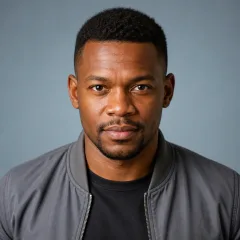

Democratic Alliance leader Geordin Hill-Lewis says the party will carefully reconsider its future in the Government of National Unity after being excluded from governing coalitions in all three Gauteng metros.
The warning follows coalition agreements that placed the ANC, ActionSA, Economic Freedom Fighters and uMkhonto weSizwe Party at the centre of new administrations in Johannesburg, Tshwane and Ekurhuleni. The DA emerged as the largest party in each of the three municipalities in the 4 November local government elections, but did not secure enough seats to govern alone.
Hill-Lewis said the outcome of the coalition negotiations could not simply be set aside. However, he stressed that the party would not make an immediate decision on whether to remain in the GNU, saying the issue required careful consideration rather than an emotional response.
“We will consider it carefully. I don't think there's any rush. Certainly, a lot of us have worked incredibly hard in this election and we're going to take a break and reassess, think carefully about this,” Hill-Lewis said.
The DA leader’s comments bring Gauteng’s municipal power struggle into the national political arena. The party’s position in the GNU has become linked to how it is treated in local coalition negotiations, particularly in the country’s economic heartland, where the three metros serve millions of residents and businesses.
Three metros, one political setback
In each metro, the DA fell short of the 50% plus one threshold required to form an administration without support from other parties. That left the party dependent on coalition partners if it was to take control of the municipalities, despite finishing as the biggest party in all three.
| Metro | Outcome reported |
|---|---|
| Johannesburg | ActionSA leader Herman Mashaba returned as executive mayor |
| Ekurhuleni | ANC councillor Mziyanda Mketsu was elected mayor |
| Tshwane | A multiparty coalition arrangement excluded the DA from governing |
The result means the DA will occupy the opposition benches across the three municipalities. Its councillors will therefore have to scrutinise the new administrations from outside the executive, rather than directing municipal departments and setting the governing agenda.
For residents, the political arrangements matter because municipal coalitions are responsible for decisions that affect daily life in Gauteng. These include the management of local government, the implementation of council decisions and the political oversight of municipal administrations. The stability of each coalition will be closely watched as the new mayors and their partners begin governing.
Hill-Lewis urges a measured response
Hill-Lewis said the DA would take time to assess the consequences of the coalition outcomes. He did not commit the party to leaving the GNU immediately, nor did he set a deadline for a decision.
“We must think really carefully about that. But certainly, I think the question does arise,” he said, referring to the impact of the Gauteng negotiations on the DA’s participation in the national unity arrangement.
He said the party would not ignore what had happened during the coalition talks, but argued that any response should be considered without haste. The approach leaves the GNU’s political future uncertain, although no formal withdrawal was announced.
- The DA is the largest party in Johannesburg, Tshwane and Ekurhuleni.
- It was shut out of the governing coalitions formed in all three metros.
- Hill-Lewis said the party would reassess its position in the GNU, but gave no immediate timetable.
The developments also underline the difficulty of governing Gauteng’s metros when no party holds an outright majority. Coalition partners must negotiate executive positions and working agreements, while opposition parties retain the ability to challenge decisions in council.
In Johannesburg, Mashaba’s return as executive mayor places ActionSA at the head of the city administration under the reported multiparty arrangement. In Ekurhuleni, the mayoral election placed the ANC’s Mketsu in charge. The reported coalition outcome in Tshwane likewise left the DA outside the governing structure.
Hill-Lewis said the issue had implications beyond party strategy, including for the country and the economy. His comments suggest that the DA will weigh its local government treatment against its broader national responsibilities before deciding how to proceed.
For now, the party remains in the GNU while it considers its options. In Gauteng, however, the immediate political reality is clear: the DA won the largest share of support in each metro but will govern none of them, leaving its councillors to test the new coalitions from opposition.