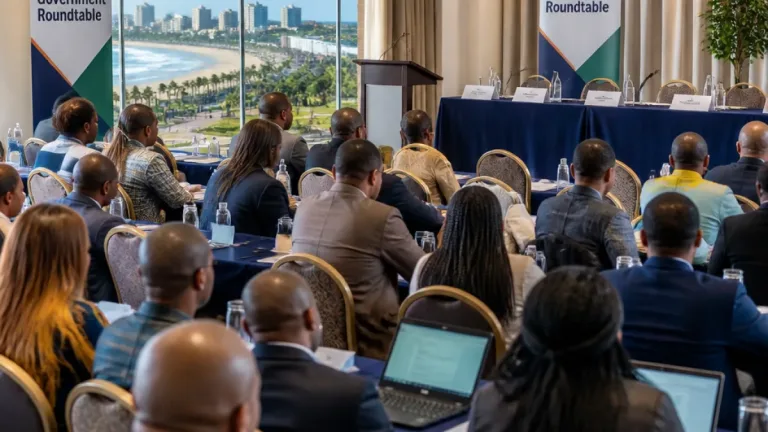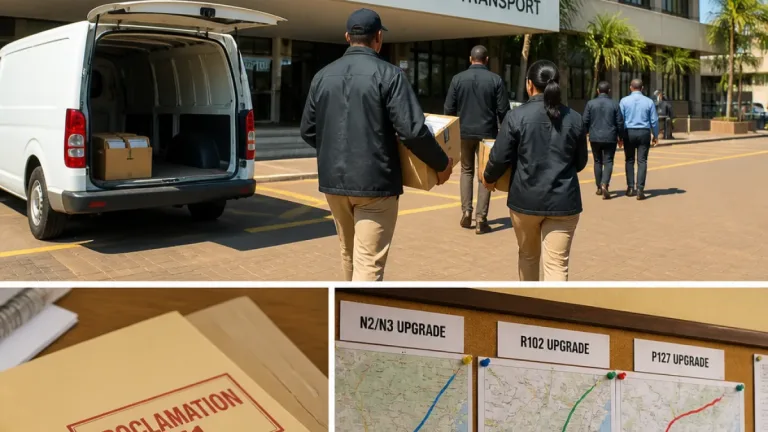
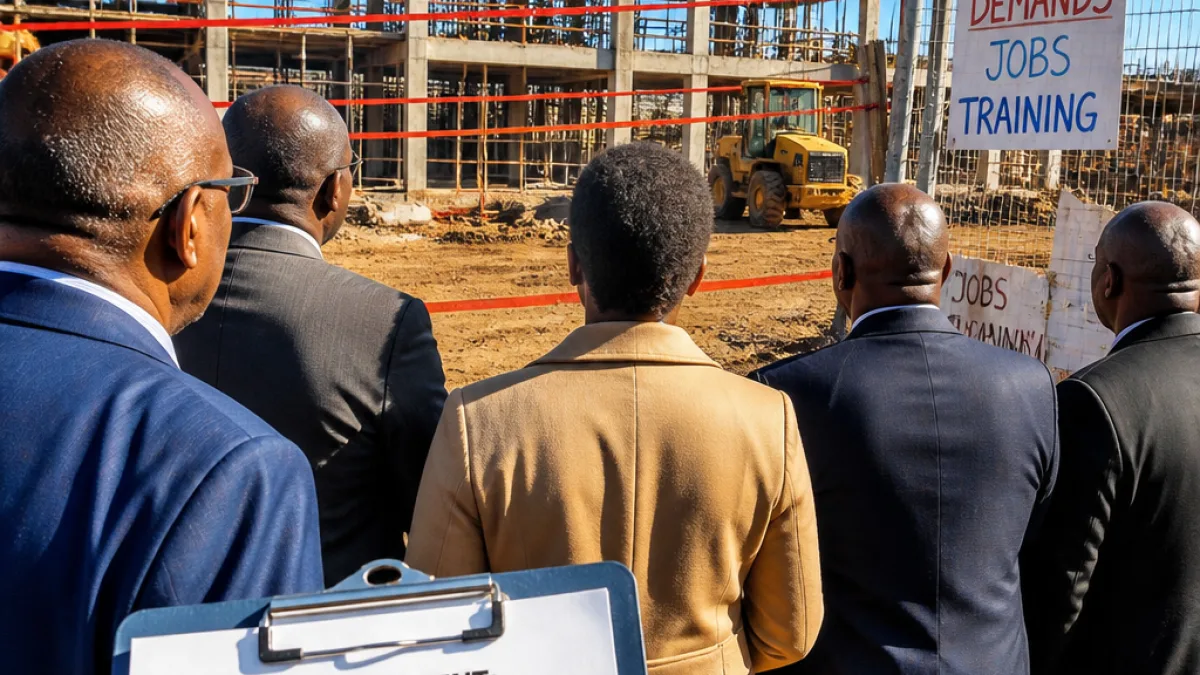
Procurement irregularities and administrative red tape are being repeatedly cited as key reasons for delays to major infrastructure work across the Eastern Cape, the National Council of Provinces (NCOP) delegation heard during its oversight visit on Tuesday.
Oversight visit exposes repeated implementation constraints
The delegation, led by Hon Nkosi Mwelo Nonkonyana, was briefed on progress and challenges affecting projects valued in the multibillion‑rand range. Parliamential communication noted there are 13 multibillion infrastructure projects currently underway in the province.
Nonkonyana told the delegation it was worrying that procurement kept emerging as a central problem for both provincial departments and municipalities. He said the pattern suggested that procurement processes were stalled by red tape and were undermining implementation of otherwise well‑conceived projects.
“We are finding it surprising that everyone who presented to us this morning is identifying procurement as a challenge that contributes to project delays,”
The delegation was conducting the visit as part of the NCOP Week programme, which aims to monitor government work at local level and to report back to communities.
Multiple causes: beyond procurement
Presenters flagged a range of additional constraints that are delaying projects and eroding value for money. These included community fights, poor contractor performance, vandalism, theft and extortion. Premier Oscar Mabuyane earlier told the committee that there must be consequence management for poor performance, and that swift intervention is necessary when problems surface.
Nonkonyana agreed with the Premier’s assessment and added that rollout of major projects should be accompanied by deliberate education about the benefits to communities so that local residents take ownership rather than allowing projects to be captured by outside interests.
He emphasised that these interventions are not merely about completing infrastructure but ensuring that projects translate into lasting economic opportunities for rural communities.
Local empowerment and training must be central
According to the parliamentary release, the delegation stressed that projects of this scale should empower local suppliers and provide quality training opportunities if meaningful rural economic development is to be achieved. Nonkonyana said companies involved in delivery should not be the only beneficiaries.
- 13 multibillion‑rand infrastructure projects are currently active in the Eastern Cape, the NCOP was told.
- Primary obstacles cited: procurement red tape; community conflict; contractor underperformance; vandalism; theft; extortion.
- Delegation called for consequence management and community education on benefits and ownership.
| Issue | Reported impact |
|---|---|
| Procurement red tape | Project delays and stalled implementation |
| Community conflict | Projects held hostage; progress disrupted |
| Poor contractor performance | Quality and timelines compromised |
What this means for residents and municipalities
Delays to large infrastructure projects have a direct bearing on service delivery and local economic opportunities, particularly in rural parts of the province where such investments are supposed to act as catalysts for change. Stalled projects prolong shortages in essential services and postpone training and jobs that municipalities say are built into project plans.
The NCOP delegation said it was satisfied that progress was being made on many fronts but signalled that further inspection visits would follow to probe the problems raised in briefings. The parliamentary communication concluded that the delegation will now move to inspect the challenges on these projects in the field.
For government and municipalities, the message from the NCOP is twofold: reform procurement systems to reduce bureaucratic bottlenecks, and invest more effort in managing community expectations and protecting project sites from criminal interference. For communities, the delegation urged active participation and a clear understanding of how projects are intended to deliver benefits.
The oversight visit illustrates the continuing tension between large capital investments and the complex social, administrative and security environments in which they must be delivered. Ensuring that projects not only get built but also deliver local skills and supplier development will be the measure of success, the delegation said.
Reported by Parliamentary Communication Services on behalf of the leader of the NCOP delegation, Hon Nkosi Mwelo Nonkonyana.