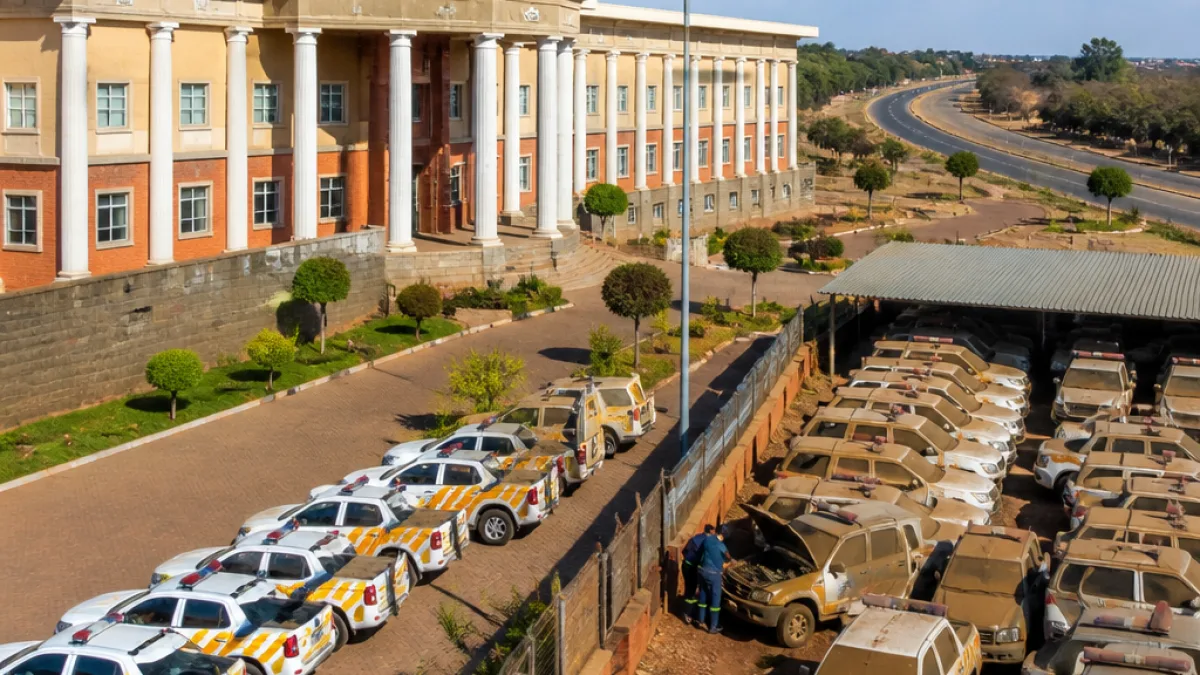
Limpopo is operating with almost half of the traffic policing capacity it says is needed, Premier Phophi Ramathuba disclosed in a written response to questions from the provincial legislature. The province requires 2,452 traffic officers to carry out its traffic-law-enforcement mandate but currently employs only 1,264, leaving a shortfall of 1,188.
Shortage and fleet strain undermine visible policing
The staffing deficit comes alongside concerns about the provincial traffic vehicle fleet. According to the Premier’s response, there are 400 vehicles available for operational use, while a further 200 are held at the state garage — some of which must be written off.
Those figures prompted immediate concern from opposition members in the Limpopo Provincial Legislature. Franco Marx, a provincial legislator, said the numbers raised questions about the province’s ability to maintain visible traffic policing and to carry out effective law-enforcement operations across vast distances.
"The shortage is concerning, as provincial traffic officers must cover vast distances for visible law enforcement on Limpopo’s major routes," said Franco Marx.
Marx also reiterated earlier criticisms that traffic resources had been diverted to provide protection for senior officials. He said that in January 2026 questions were raised about reports that 12 traffic officers and two additional vehicles were being used for the Premier’s protection detail. Marx argued that every officer and operational vehicle should be deployed where they can most effectively contribute to road-user safety.
What the numbers mean on the ground
A near-50% shortfall in traffic officers affects routine duties such as speed enforcement, roadblock operations, incident response and the policing of freight and passenger routes. Limpopo’s long arterial roads and rural stretches demand patrol coverage that is manpower- and vehicle-intensive. With fewer officers and unreliable vehicles, response times to crashes and the capacity for sustained enforcement are likely to be reduced.
In practical terms, the shortfall increases the burden on the existing complement of officers, who must cover larger areas and longer shifts. It also limits the province’s ability to run sustained campaigns against drunk driving, reckless driving and overloaded vehicles — all leading contributors to road deaths in South Africa.
Data at a glance
| Item | Figure |
|---|---|
| Required traffic officers | 2,452 |
| Current traffic officers | 1,264 |
| Shortfall | 1,188 |
| Vehicles operational | 400 |
| Vehicles at state garage (including write-offs) | 200 |
Calls for a comprehensive strategy
Marx recommended a comprehensive staffing and fleet-management strategy to address the shortfall. "Limpopo cannot achieve safer roads without sufficient officers on the ground and reliable vehicles to deploy them," he said. The Premier’s response did not include a timeline for recruiting the additional officers or for replacing or repairing the vehicles currently at the state garage.
Provincial departments responsible for licencing and traffic services must balance scarce budgets against competing priorities. Where recruitment is constrained, legislators and road-safety advocates often call for alternative measures such as improved use of technology, better inter-agency cooperation with SAPS, and targeted high-visibility enforcement on high-risk routes.
- Existing complement: 1,264 traffic officers
- Required complement: 2,452 traffic officers
- Operational vehicles: 400; vehicles in state garage: 200
For communities and commuters in Limpopo this information is a reminder that road safety depends not only on law-abiding behaviour but also on the capacity of provincial services to enforce rules and respond to incidents. Until the staffing and fleet gaps are addressed, visible policing on major routes will remain constrained.
Questions remain about how the provincial government will fund recruitment and vehicle repair or replacement, and whether any interim measures will be introduced to maintain enforcement on critical corridors. The Premier’s written response supplied the current totals but did not set out an action plan or funding commitment to close the gap.
Coverage of road safety and provincial service delivery will continue as lawmakers press for details of any planned recruitment drives, fleet refurbishment or reallocation of resources. The scale of the shortfall underlines the governance challenge of providing consistent, province-wide traffic law enforcement in a largely rural province.