
Department admits large shortfall in traffic staff and fleet
Limpopo is functioning at roughly half of its traffic-enforcement capacity after the provincial government disclosed it currently employs 1,264 traffic officers against an assessed need of 2,452, leaving a shortfall of 1,188 officers, Premier Dr Phophi Ramathuba told the provincial legislature, according to the official reply to a parliamentary question from the Democratic Alliance (DA).
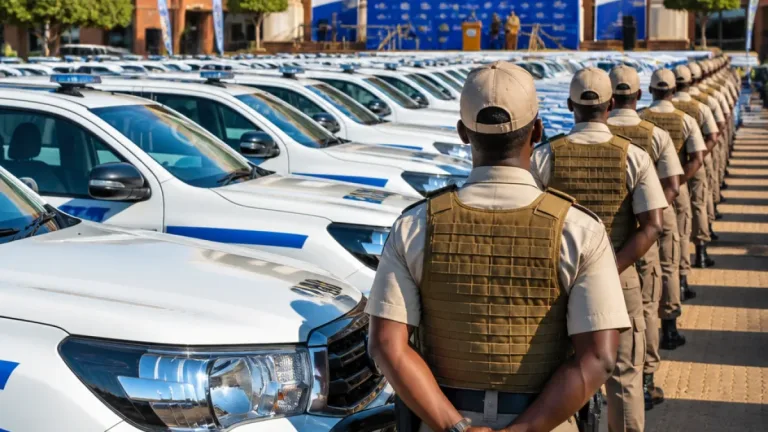
The provincial response also flagged serious problems with the vehicle fleet used by traffic services. Officials reported that 400 vehicles are unavailable and that another 200 vehicles are being held at the state garage, many of which are likely to be written off, the reply said. Those figures, the DA argued, raise concerns about the province’s ability to sustain visible traffic policing and respond to road-safety incidents across wide distances.
“Against the newly disclosed shortage of 1,188 traffic officers, every available officer and operational vehicle should be deployed where it can contribute to the safety of Limpopo’s road users,” the DA said.
The staffing and fleet gaps carry practical consequences for motorists and communities. Limpopo covers large rural areas and long interprovincial corridors where visible enforcement and rapid response are important for slowing speeds, checking heavy vehicles and responding to crashes. With fewer officers on the road and hundreds of vehicles non-operational, achieving those functions becomes more difficult, especially on major routes.
What the provincial government is doing
In response to the acknowledged shortfall, the Limpopo Provincial Government opened an intake of applicants for learner traffic officer posts. The recruitment drive included 204 internship positions targeted at applicants aged 18 to 35. Applications ran until the end of July, the provincial reply stated.
These measures are intended to begin replenishing the ranks, but recruitment alone will not immediately resolve gaps in operational vehicles or the capacity lost when hundreds of vehicles are out of service or earmarked for write-off.
- Required traffic officers: 2,452
- Current officers: 1,264
- Shortfall: 1,188 officers
- Vehicles unavailable: 400
- Vehicles at state garage (many to be written off): 200
| Category | Number |
|---|---|
| Assessed need (officers) | 2,452 |
| Operational officers | 1,264 |
| Vehicles unavailable | 400 |
| Vehicles at garage | 200 |
The DA has previously questioned reports that traffic resources were being diverted to provide personal protection for the Premier. Earlier this year the party raised concerns that traffic officers and vehicles were allocated to the Premier’s protection arrangements. In the context of the newly disclosed staffing shortfall, the party said every available resource should be prioritised for public safety on Limpopo’s roads.
Provincial officials did not provide a timetable in the parliamentary reply for returning vehicles to service or replacing written-off units. Nor did the response set out a detailed plan to address the immediate operational impact of the reduced fleet, including maintenance budgets or procurement timelines.
Road users, transport operators and local municipalities are likely to feel the short-term effects of lower enforcement capacity. Visible traffic policing contributes to road-safety behaviour such as compliance with speed limits and safe heavy-vehicle operations; when patrols are reduced, enforcement of these safety measures becomes more sporadic.
Transport stakeholders and community leaders often point to a combination of staffing, fleet maintenance and budget constraints as the underlying drivers of weakened enforcement capacity. The provincial recruitment of learner traffic officers is a step towards replenishing human resources, but addressing vehicle availability and maintenance will be necessary to restore full operational capability.
As Limpopo seeks to fill the gaps, motorists should continue to follow road rules, wear seat belts and report unsafe driving to SAPS or the provincial traffic authorities. Stakeholders have called on the provincial government to provide clearer timelines and a transparent plan to return more vehicles to service and to accelerate recruitment and training so that enforcement on major routes can be strengthened without delay.
Reporting from Polokwane.